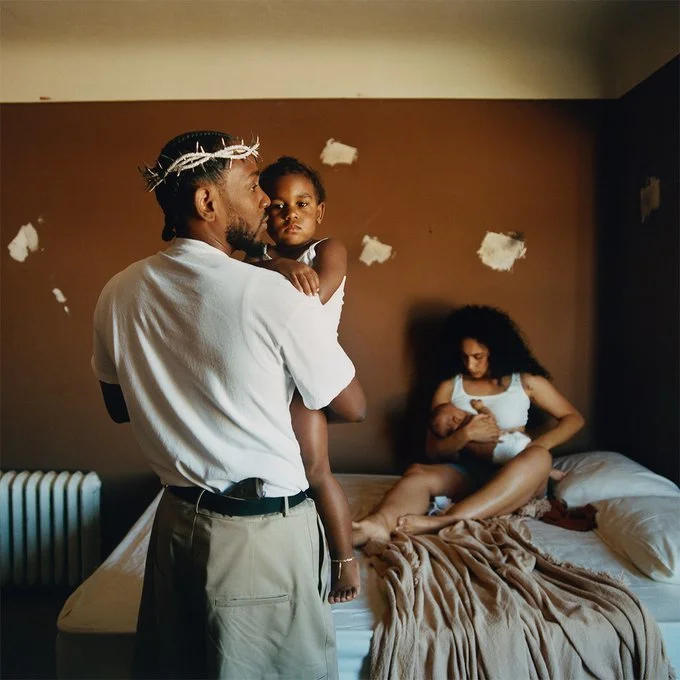
Mr. Morale & The Big Steppers: Kendrick Lamar

5/13/22

3:11 AM

Where to start— the album more awaited than most even realized— Kendrick Lamar (in this instance, returning with the persona named oklama), is back after one-thousand eight-hundred and fifty five days of what seemed to be chaos and change in the world. Mr. Morale & The Big Steppers returns to hold back from no topic, word, perspective, or delivery, within the first listen, it’s obvious that this project is deeper than music, it’s humanity; the evils, the goodness, the weakness and strength of all of us. A breathing reminder that we all bleed red.

-

The album starts in a humble manner, a man, a mic, and a familiar type of production accompanying the Pulitzer recipient. A gradual dialogue then turns into a more hurried and rhythmic flow, to slow down into a minimalistic piano instrumental yet again.

Immediately divergent of his preceding works, the following track exhibits a more electronic and trancelike tone. Boasting an extensive list in its production credits, from producers, vocalists, feature verses, and a possibly sarcastic inclusion of Kodak Black, the album’s musicality is proportional to the contextual content, which is quite a feat in itself. The project seems complete, well worth its five year conception, and adheres to its authors perfectionistic standards. Mr. Morale & The Big Steppers is much more experimental than all of Kendrick’s previous albums— in varying moments throughout the album, the production is beautiful and calming, and you’d find that in other times it’s harsh and uncomfortable even. The antagonism between Kendrick’s recognizable jazz infused styles and the new experimental approach hints at a ironic duality and new acceptance in his musical means.

The irony of the album’s sound extends to its contents as well. At its core, this project is reflection of the humanity we hold— it shows that it doesn’t matter if we’re just regularly ordinary or if we are the best of the rap game— we all fuck up. Repeatedly.

Despite the failure to uphold political correctness and social reservations, there are so many points of brutal honesty in the lyrics and delivery of this album. Speaking out on issues within the black community and the abusive characteristics of his own upbringing, the contentions between and within sex, the ways we view finance and spending, developmental traumas, and familial structures (or the lack thereof), Mr. Morale & The Big Steppers’ target audience was never for the lighthearted— from socially unacceptable language, the list of distressing moments include rather unappealing gender topics, seemingly “too real” of a verbal argument of back and forth Fuck you’s", alarming name drops of convictions and infamous individuals, and a rather skewed point in the worldview, Mr. Morale & The Big Steppers out of context would make a great exposition on everything not to say.

The point however, isn’t to focus on the words themselves. As Lamar states “See, I was taught words was nothing more than a sound”. The act of pushing the listener into discomfort hints at a reality wherein we can no longer evade discussions and hard conversations. The emotionality behind this album doesn’t justify the crude and unpolished language embedded in it, but justification was never the goal.

-

All the imagery, references, and pieces that make up Mr. Morale & The Big Steppers form a hyper ironic approach into our vulnerability and our inadequacy that eventually lead to social and religious ideas. The album exudes obvious Christian themes, from the cover art, lyrics, and the track listing itself. Kendrick Lamar’s fifth album bled from a man who has gone through so much, and realized he was no better or worse than whoever. Not as to convince nor convert any who listen, but maybe as a reminder that no matter where, who, or what we may be, that humanity is closer than we give it credit— Perhaps the reason why even though Mr. Morale & The Big Steppers is incredibly abrasive in its nature, it is equally relatable, because it sings of the human struggle. The album isn’t music, it’s therapy.

Mr. Morale & The Big Steppers is a glimpse into therapy for a man who had experienced the world and found that through it all, what was left was reflecting on his youth and all that was behind him, and a man who’d thought to share his stories in hopes that you too could add to the universal experience of being human.
Listen to the album below:
Mr. Morale & The Big Steppers

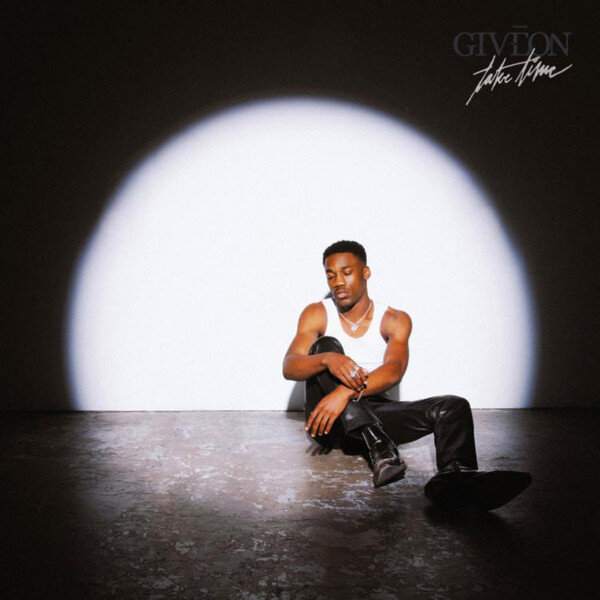
TAKE TIME: Giveon

1/16/20

3:15 PM

Long Beach born singer Giveon Dezmann Evans, mononymously known as GIVEON, found recognition through featuring on Drake’s “Chicago Freestyle” soon after releasing his first full body of work in TAKE TIME. The contemporary R&B project holds a lot of emotion and traditional rhythm and blues qualities matched by an equally soulful voice— and it has been running on repeat for about a month now.

No stranger to the music scene, the 25 year-old artist has been pursuing a career in music since high school and attended a program with the Grammy Museum after graduating. Giveon finally earned critical acclaim in 2020 and a wave of newfound fandom, Evans’ has since taken advantage of the momentum gained by releasing another EP titled When It’s All Said and Done. Giveon’s TAKE TIME was also nominated for the 2021 Grammy Award for Best R&B album.

-

TAKE TIME’s success and high praises are self explanatory— Giveon’s deep and resonant voice fits perfectly into the genre and the attitude the record is set in; the lyricism is sensitive, yet passionate, elevating both audible and written elements respectively. A rare form of true R&B in the current spheres of contemporary music, Giveon utilizes classic R&B ideations and supplements modern components in constructing the production. The album is characterized by the singer’s deep and resonant baritone vocal range with an emphasized usage of weighted bass lines. The intricate balance between piano, guitar and percussive instruments all assemble the totality of the sound; the choice of each audible part in the instrumentation is laid well beneath Giveon’s evocative, yet recognizable vocals, resulting in an airtight production with a near pressurized atmosphere in the music.

The writing in TAKE TIME resembles the almost minimalist approach of the sound as well—saying a great deal while doing the least. The simple nature of the lyricism gives reality and transparent depth to the music. Much of the words in each track through show flashes of insecurity, melancholy, infatuation, and a hint of regret; the writing throughout the album isn’t exceptionally poetic or artistic, though it is intensely direct with overtones of desire and longing. Focusing on subjects that pertain to heartbreak and everything after, TAKE TIME becomes one man’s testimony to his accounts of love and its end.

-

Perhaps the best part of this album is the musical efficiency, or maybe the written components that clarifies an anecdote of past romance, but the most probable factor is likely the emotional relativity of the project. Somehow listening to a stranger’s context of their history feel vastly familiar— while the exactness in the details are divergent, the overarching sentiments seem to strike a vein for listeners who find recollection in heartbreak.

Listen to the album below:

TAKE TIME

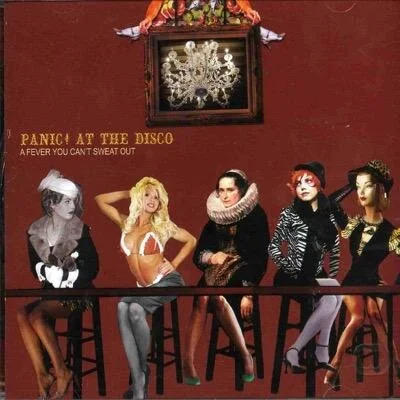
A Fever You Can't Sweat Out: Panic! At The Disco

11/07/20

4:56 PM

Brendon Urie has become somewhat of a pop icon within the industry over the last few years, but looking back on the development of a band now labeled as “pop rock” with its frontman being the entire sum of the once baroque-emo-electro-punk band, it’s been quite a wild journey to observe their progression in the eyes of a fan as well as a critic.

-

Rewinding back through Panic! at the Disco’s multi-genre discography and retracting the personal and vocal growth that Urie built up over the years alongside a few band members, (both founding and touring) it’s intriguing to retrace the path that Panic! at the Disco took. The four friends and founding members from two different high schools decided to play in a band and the result was a triple platinum album in A Fever You Can’t Sweat Out. If you were alive in the mid 2000’s, there’s a pretty decent chance that you recognized Panic! within the first three seconds of their career-making single— the sound of the ringing Pizzicato strings from the track titled “I Write Sins Not Tragedies” along with the rest of the discography containing equally perplexing titles, made up an unfamiliar combination of electronic and emo punk that was somewhat controversial to the scene.

The neo emo album is made up of what seemed like an unlikely composition at the time— you have the expected components like guitar, bass, and drums, but where the distinction begins to take place is the inclusion of baroque pianos, drum machines and synths layers on top of a more gothic tone— and in 2005’s emo scene? Are you kidding?! The slick riffs and irregular, yet foundational rhythmic make-up of the album adheres to the traditional standards of the genre while progressing over its preconceived boundaries. The band’s instrumentation and production by Matt Squire paired with a young Brendon Urie’s vocality create the sarcastically bold sound of Panic! at the Disco’s debut album. Looking at the album as a whole, A Fever You Can’t Sweat out resembles a theatric translation of a cabaret show into a dynamic thirteen track album, as if it were arranged to be a dramatic play.

In substance , the overall nature of this album reflects a lot from the literary inspiration and the surrounding aesthetic of the band’s song writers Brendon Urie and Ryan Ross. The stark Vegas burlesque and the satirical outlook on vanity and lust is magnified by their interest in the written works of Chuck Palahniuk (Invisible Monsters, Fight Club, etc.)— a writer who categorizes into transgressive fictionalism- a narrative where characters feel the desire to emancipate from social norms. Every one of the titles in A Fever You Can’t Sweat Out is derivative of Palahniuk’s writing,. “The Only Difference Between Martyrdom and Suicide Is Press Coverage” and “There’s a Good Reason These Tables Are Numbered Honey, You Just Haven’t Thought of It Yet” as track titles foreshadow the non-linear type of lyricism that seem to fit… almost too well; a lot of the writing seems obscene, obscure, and irreverent— delving into vain, sexual, and exhaustive details of written accounts that responds well into the album’s overall design. But while the lyrics and songwriting in this album are cohesive and unique, the topical focus in the words revolve around seemingly toxic material; the thematic outline and lyrical constitution might look to be inappropriate and sometimes even discomforting throughout the album behind its musicality. However, although the album is filled with innuendos and questionable jabs toward more serious subjects, the attitude that the writers have doesn’t seem pretentious or ill-natured, but is a probable banter to display their emotional and mental casualties as many of these topics seem to stem from the writers’ personal histories and solidifying them into tangible works of music make Panic!’s songwriting exhibit the external glamour in the acts of life and vilify the crude realities in a hollow ecstasy.

…15 years later and it’s been an entertaining transition to see a band that sang about breaking away from given expectations and straying from mainstream circumstances, make folk music, then alternative indie, then electronic synth pop, then jazz pop, and finally landing on being mainstream and fitting into a popular form of music. “Can't take the kid from the fight, take the fight from the kid” I guess.

Listen to the album below:
A Fever You Can’t Sweat Out

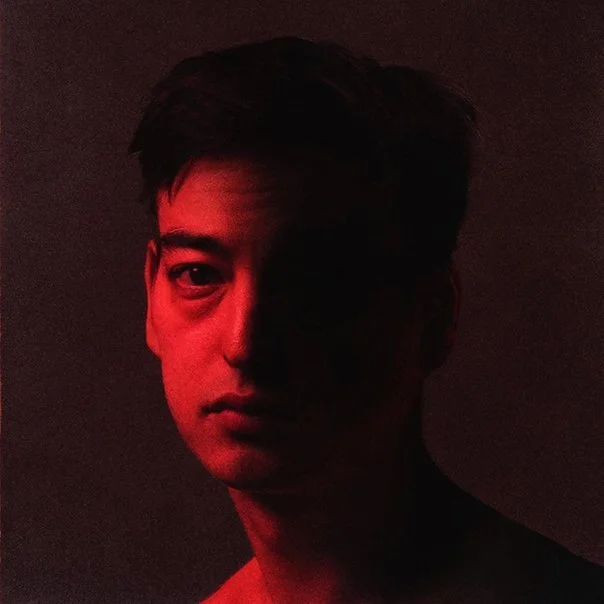
Nectar: Joji

09/25/20

11:59 PM

To be Frank, this album is pretty weird.

It came at a weird time, I’m not completely sure what it’s about, I don’t know if it feels completely right, and so it’s just a confusing piece of work that is neither really black OR white; Joji Enter stage left.

-

Following his breakout debut BALLADS 1, George Kusunoki Miller’s cult following gained considerable amounts of momentum as someone who seemed to be the purest of all internet trolls turns solemn, somber, and sincere.

Nectar follows suit. The album begins with a few preludes that feels like the audial equivalence of the inability to fall asleep at 4:16 AM, feeling drowned out by your thoughts— the level where Joji looks to be the most noteworthy in a sense. The irony between his personas are stark, yet the satirical acts thrive as perhaps the complexity of the human state of being can be observed behind all the idiocy.

Probably not though, let’s be honest: Filthy Frank, Pink Guy, Salamander Man, Lord Chin Chin, and Joji all play off of stupidity and irony, and the musical themes of Joji are of no exception, and while BALLADS 1 and prior works mainly depict a more depressive scheme throughout, Nectar attempts to slowly find a more animated plane during its duration.

The emotional and physical metastacity of this album accounts for both the pros and cons of this album. Starting with negatives, It really is all over the place. The overall organization could be refined; rather than motioning fluidly between tracks, the transition from song to song sometimes seem adversely fickle and abrupt. As opposed to having a dynamic through the album, the tracks shuffle between seemingly polar moods at times, creating a possibility for listeners to be distracted by the lack of subtlety. Continuing to extrapolate on organization and track listings, it did feel like the the totality of the record could have been trimmed down a bit. At 18 tracks spanning through 53 minutes, Nectar’s issue with inconsistency could also be fueled by the inclusion of more dated singles that don’t quite fit the overall imagery that the album paints.

Past the negatives, the album is full of strong points— it’s weird to think that Joji has an ingenious aptitude for musicality, but he does. Each individual track is produced skillfully and is cohesive in its components. The choices for instrumentation composition in production is uniquely constructed; not overdone, nor hollow, the general makeup of Joji’s sound is formed by Eastern influences conjoined with popular styles of music. In comparison to BALLADS 1, which is almost entirely sobering and dark in its aesthetic, Nectar shows room for a little bit more liveliness and dynamic. With the usage of Classical influences fragmented between contemporary arrangements, the sexiness of the tonal atmosphere enhances the incredibly sleek tone of the album. The lyrical diplomacy between emotion and man is continued in this album as well, doing well to not stray to far from a successful ingredient from the previous album.

No idea as to why the album is titled Nectar, but it’s sweet, it’s heavy, and it’s pure.

604-2.jpg

Listen to the album below:
Nectar

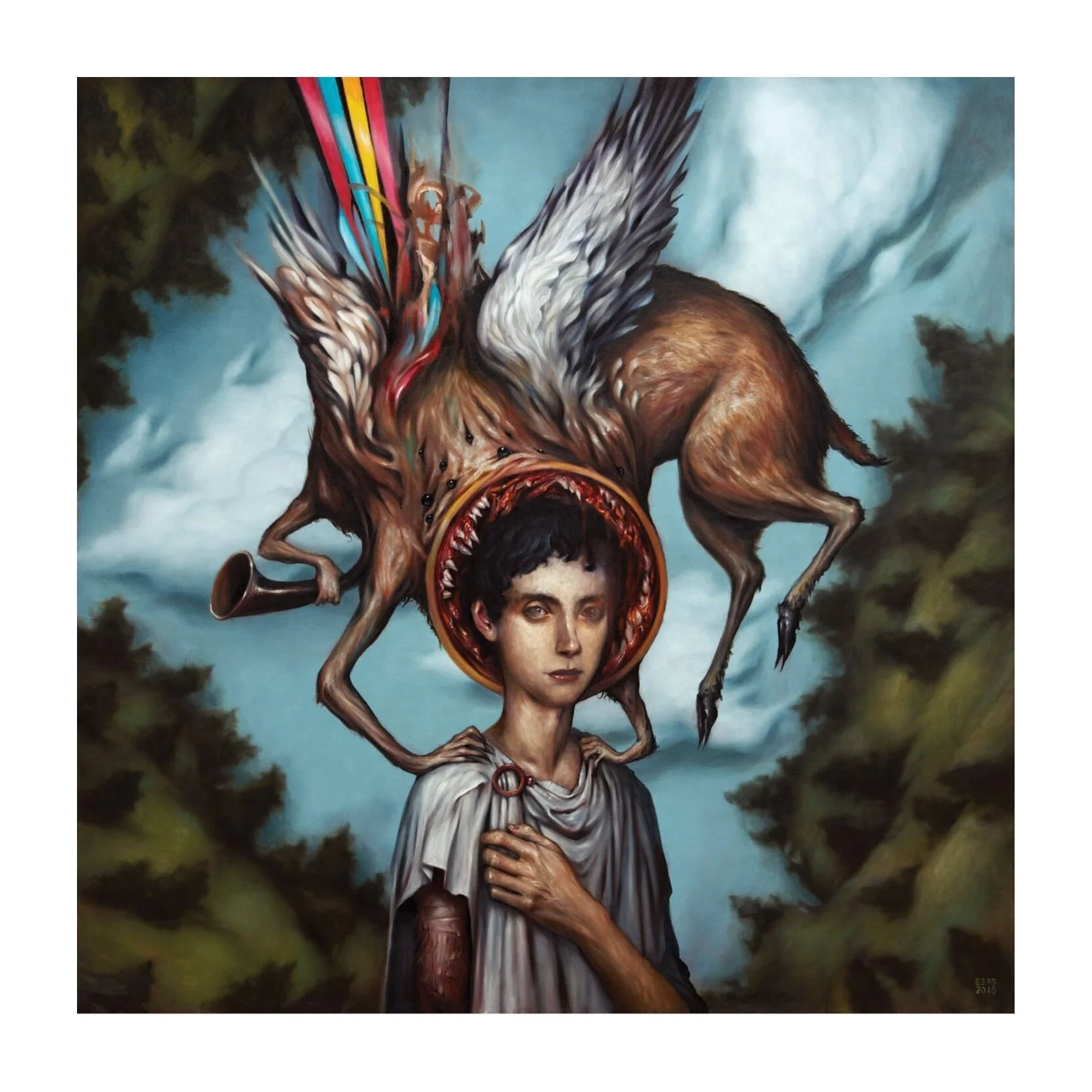
Blue Sky Noise: Circa Survive

8/31/20

1:57 AM

Growing up in the 2000’s, a lot of the songs on the radio (before streaming platforms, it was either CDs or radio) drew up to be a large part of my musical palette. Obviously mainstream rap artists like Lil Wayne or Kanye are some of my first steps into music as a whole, but another facet to my music taste can be accredited to pop punk, emo, progressive, and post rock, all of which started taking off from the early 2000’s into the 2010’s and accounted for a lot the music that I would listen to in the following years.

Circa Survive’s Blue Sky Noise meant a lot for me— I still remember one of my friends had recommended this album to me because it had interweaved each track into the next. The seemingly continuous feel of this album in which different songs felt like one connected track was something we’d never really heard before and that gave merit in listening to this album from front to back. It was one of the first albums that I’d listened to all the way through, and one of the first steps I took towards opening up to more progressive and heavier forms of music.

-

From the first minute of Blue Sky Noise, Circa Survive boasts of their charisma, intensity, and the individuality of their sound, and while Anthony Green might be the most recognizable member of Circa Survive as its frontman and vocalist, every instrumentalist is substantial in contribution, and the overall level of performance of the band is quite remarkable throughout the project where each musician in the band plays a crucial role; the mathematic and rhythmic nature of their music is executed by the combination of heavy driving bass lines, the sharp and percussive drums in odd time signatures, and the frenetic, yet meticulous lead guitar riffs. The balance between the instrumentation and vocal components is delivered in both an intricate and aggressive manner to attack listeners while maintaining a stability by staggering between compact and bareness in composition.

Within Circa Survive’s discography, Blue Sky Noise seems like the perfect balance between the band’s first two albums— five years prior was their debut piece Juturna, and three after was On Letting Go— Circa Survive took from the cryptic and enigmatic elements of their music and refined their sound to a more digestible tonality. Blue Sky Noise is cohesively adherent to Circa Survives’ imagery and thematic foundations in the sense that it takes from some of their earlier releases and improves upon the positives while detracting some critical qualities, successfully creating an album with the strong points of the previous work. The entire aesthetic of this project both visually and sonically evolved the band’s persona; the creepy progressive sound was met often with symbolic and enigmatic artistry, but the overall musicality became more adaptable to cater for a wider audience while holding onto their initial eccentricity.

From their debut album Juturna, the remnants of depressive and despondent air in Circa’s music still lingers, but is found amongst more admissible and azure tones that made the album more welcoming in a sense. However, the complexities of their style remained as the duality within this album comes back to the lyricism and writing; while Blue Sky Noise’s artwork and overall sound became much brighter, Anthony Green’s writing saw to a more tragic and morose narrative than before. Hidden underneath the mask of technicality, near-scientific melodies, and musical architecture, detailed accounts of his wife’s two miscarriages and the struggles with addictions plagued Green throughout the writing and production of the album. Blue Sky Noise unearths misery and dreariness of a man riddled with guilt and abjection, but also alleviates the scars caused in these haunting realities by portraying the deadening tales in Green’s lyrics and contrasting them with violent waves of liberating anecdotes embracing acceptance and hope to bring the album back in full circle.

-

Perhaps the genius within this album lies beneath the attention required in finding it; while the grandeur of Blue Sky Noise in its openness may attract more audiences on the surfaces, the amount of detail and vulnerability revealed in some of the darkest moments give profuse amounts of depth in this project, making each song worth the cautionary listen.

81lyCDYQ7ML._SL1425_.jpg

Listen to the album below:
Blue Sky Noise

Notes on a Conditional Form: The 1975

8/20/20

12:14 PM


The 1975 just keeps getting better.

Through the span of seven years and four studio albums, the English pioneers of alt-pop led by cultural icon and frontman Matt Healy, with bandmates such as guitarist Adam Hann, bassist Ross MacDonald, and drummer/ producer George Daniel, continues to refine their craft with each project while expanding their stylistic approach with every release.

-

Like all of The 1975’s preceding discography, Notes on a Conditional Form is an amalgamation of the band’s usage of various genres, then adding on to the compound; creating a versatility and distinctiveness in their sound exclusive to only The 1975.

Thematically, Notes on a Conditional Form seems like a narrative about problematic predicaments— extrapolating on some global crises, then shifting back towards struggles with intrapersonal and relational aspects. On one hand, the lyrics in certain songs focus on the dangers of climate change or the uncertainty of humanity in the face of a pandemic that supposedly prisoned us into the confines of our own consciousness; and in another, Matt Healy calls himself out in his personal fragility— admitting to past dishonesty like the fact that he in fact, never fucked in a car. He was lyin’ (a reference to a lyric in his prior album “Love It If We Made It,” where the first line in the song is “We’re fucking in a car, shooting heroin” in which Healy takes unnecessary effort to expose himself and his former pretentious disposition), the line presents a sense of maturity that comes a long way from Healy’s freshman lyricism and contributes to the pattern of growth in his persona. On a related note, another favorable remark towards this album is the fact that long-time listeners of the band’s past work can find glimpses of the first three albums, and while those flashbacks account for a majority of the newest project, there are still multitudes of new and improved forms being supplemented in.

The irony and the abrupt nature of The 1975’s writing creates an atmosphere of confusion and contemplation, often times in the best way for listeners, and according to an exposition written by a critic from The Tab UK, “The 1975 are very good at making people who don’t have problems think they do” which… is deathly accurate, however, the humor may have been lost in transition for the individual as the intentionality of The 1975’s music might invite such introspection.

NOACF bounces back between a few tropes and tangibilities— from orchestral and sentimental cinematic scores to dancehall electronics, from country accented folk songs to bass thumping ballads about the complexities of relations— there’s really no cohesion in this album… yet it feels like the most cohesive album produced by The 1975 to date. A lot of that could be accredited to the fact that NOACF may be the most warm, glittery, and radiant collection of songs by The 1975, and while the genres fluctuate in almost every track moving to the next, the one thing you can still expect from the British pop rock band is the fact that whatever they release, it’ll sound good at the very least. Attesting to the quality of the production and musical aesthetics, Notes on a Conditional Form sounds like it was ripped out of an 80’s prom playlist at times, and is perfect for playing while driving through a timely sunset.

Perhaps the genius behind this project can be traced back to the combination of all the aforementioned components but also to the unpredictability of this album— who could’ve guessed that The 1975 would drop a country-adjacent album whilst keeping their original sound? And within these factors, the development of the band, their personalities, and their musical aesthetic grows more and more with each continuing album, placing hope in the future of our planet, and also in the upcoming projects from The 1975.

The_1975_Notes_on_a_Conditional_Form_Digital.jpg

Listen to the album below:
Notes on a Conditional Form

Albums of 2019: A year in review

7/3/20

5:20 AM


I started this particular project about compiling a best of 2019 list a few times and a while ago, but it took me a long time and a couple of road trips to fully listen to and decide on which artists and their albums would make this list. Yes, I do realize I’m a half a year late but I figured better late than never- am I right my fellow procrastinators?!

So without a lengthy foreword or introduction, here are my personal analyses on albums I thought were some of the finer records from the year 2019.


Hollywood’s Bleeding: Post Malone

5d759f4b36a7d.image.jpg

Starting off the list with one of the more digestible and perhaps the most mainstream album on this list, Post Malone’s third project, Hollywood’s Bleeding is a product of alternative rock and hip-hop coming together to make a record which effectively caters to the majority.

Hollywood’s Bleeding is the first Post album that I’ve listened to in its entirety repeatedly, and I felt like it was a really pleasant place to start in the Dallas native’s discography in a way. Of course, when people mention Post Malone, the blockbuster singles such as "White Iverson” and “Congratulations” are instant reminders of Post’s success within the last few years, but Post Malone is really cooking with fire on this project.

Paired with some respectable levels in production, the whole concept of making an Emo rap project with a whole lot of alternative rock influence seems pretty keen to the times— aiming not only to his current audiences, but additionally to fans to both aforementioned genres as well. The lyricism of the record reflects the 24-year-old rapper’s nature as an emotive, yet goofy character and the vocal elements in his songs are well put together. Few years into his rise to stardom, Post Malone is really using fame and success to his advantage, which in turn may be a slight irony for the album’s title: Hollywood’s Bleeding.

Listen to Hollywood’s Bleeding


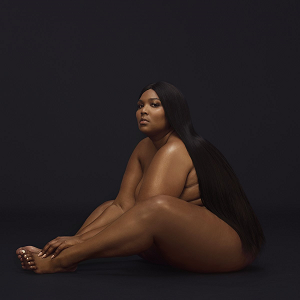
Cuz I Love You: Lizzo

Lizzo_-_Cuz_I_Love_You.png

This album is big— big personality, big attitude, big vocals, and just one big blast in summary.

What a year for Lizzo, as 2019 proved to be a huge breakout period in the singer/ flutist’s career and landed her a great deal of fame and recognition as a musician. Cuz I Love You is such a fun and liberating album where Lizzo breaks out all the big guns— “A pop album with a message?” Yeah, this is it.

Putting her personal physical, emotional, and sexual experiences and attributes into a grand, lively, and charming album isn’t always easy, but the sheer boldness of the boisterous artist makes it work (and fairly well!). With the growing lack of expectation from the pop genre, Lizzo’s take on it is pretty refreshing and cheerful, turning some not great aspects of social components and disdains into things we can laugh about.

Cuz I Love You isn’t simply a fun album with nothing else, but it’s also musically sound. Lizzo’s huge vocal capacity and her background and education in classical music is a couple more layers to be added on to the album. The culmination of everything Melissa Jefferson—also known as Lizzo, is showcased in all of its glory in her third album: Cuz I Love You

Listen to Cuz I Love You

GINGER: BROCKHAMPTON

Brockhampton_-_Ginger.png

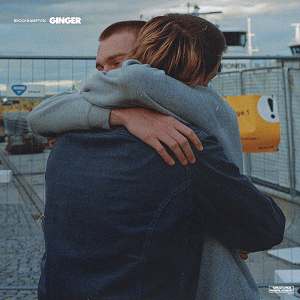
BROCKHAMPTON’s 5th studio album is met with a great deal of mixed reviews, GINGER is probably the most emotive album that the eccentric new age boy band has released in their discography, becoming a work that seems to stand out from their other projects.

GINGER comes through in an easy, yet captivating tone that blurs the lines between genres and portrays a lot of the band’s old distinct sound while incorporating new faces of its members and characteristics. The more emotive nature of the album is blatant, but not overbearing; in a manner that was described as “making music about anxiety and depression that people could dance to” by Kevin Abstract.

As expected from a collective with more than ten individuals, GINGER continues to deliver a number of different flavors unique to BROCKHAMPTON— from whimsical dance tracks to solemn ballads, hopping back and forth the two moods doesn’t seem to be a problem throughout the album, or even within tracks for that matter. Perhaps the most complete BROCKHAMPTON Album in a sense, with more than just funky production and alternating vocals, GINGER is a collection of perspectives from a few young minds expressing what they’re going through in today’s world.

Listen to GINGER


Good At Falling: The Japanese House / Heard It In A Past Life: Maggie Rogers

These two albums kind of share a place together on this list, I usually am not one to compare albums’ similarities as much rather than to evaluate the individual aspects… but these two are really similar, and I thought it’d be unfair to leave one out over the other.

-

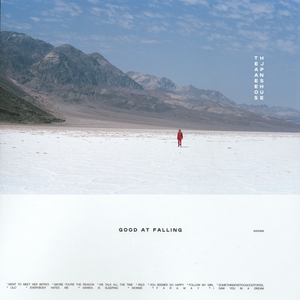
Amber Bain, who is the mastermind behind The Japanese house showcases her talent in all of her production and writing. The debut album for the artist is somewhat akin to an irony due to the cacophony between the driving elements of the melodic instrumentation derived from thumping basslines over synths and waves, while drenched in sobering vocals and cognitive lyrics. The conflict between these two elements doesn’t take away from the work in any way, but rather creates a unique narrative that can be traced back to individualism within the modern youth.

Good At Falling, is at its core, a very modern indie pop album with a lot to show for. Moody, yet punchy in a way that makes the project interesting enough to keep listening the entire time. The instrumentation and lyricism of this album come together to shine an artistic element to each track, while maintaining a semi-lively atmosphere throughout, Good At Falling captures a scope somewhere between dreams and reality, finding the delicate balance in the two.

download (13).jpeg

Let’s list the similarities: Both albums represent indie pop in its current standards extremely well, they’re both inclusive of the usage in both electronic and organic parts, they’re both debut albums to very promising young artists and were met with much positive review.

-

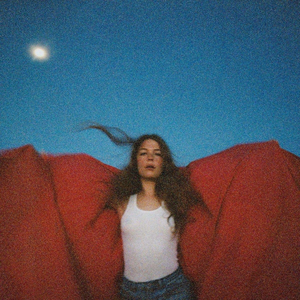
And yet there are still quite a few differences to list. Maggie Roger’s Heard It In A Past Life is generally inclined to a brighter and a more positive overtone. Comparatively, Roger’s vocals are more radiant than not, while both albums are incredibly melodic in their own ways, Heard It In A Past Life is inherently much more upbeat and outgoing when compared to Good At Falling— maybe portraying a slight disparity within American and British indie pop.

As Maggie was discovered by an industry colossus known as Pharrell, some doubts regarding artistry and finesse has been voiced towards her music; and while some may argue that the album could be deemed as being overproduced or muddied by too much, the argument for overproduction is actually quite valid in today’s music scene as the pop genre itself sees much of its popularity to the growing appreciation on electronic and trap influences. Maggie Roger’s first body of work shows room for improvement in future projects while providing a decent headway for the genre; one in which the potentiality for pop music and its boundaries are continually enabled to be pushed and imagined.

Listen to Good At Falling

Listen to Heard It In A Past Life

Bandana: Freddie Gibbs & Madlib

Bandana_freddie_gibbs.jpeg

Put two of underground hip-hop’s best within one album, mix their talents and what you end up with is Bandana.

Every single track produced by legendary DJ/ Producer Madlib, combined with one of the realest lyricists in hip-hop, Freddie Gibbs, and you know something’s bound to blow. Violent imagery, real life predicaments, social philosophies, and years of progress in rap are delivered by Gibbs’ dark and deep voice; his proficiency for rapping and wordplay disproves any doubt that the man isn’t hard. On the other hand, Madlib’s utilization of samples and a sense of nostalgia stemming from old school type beats is unparalleled, creating an infinite playground of hip-hop greatness.

-

Honestly, I wanted to write more about this album… but it’s really hard, bars are hard, beats are hard…

They just don’t make ‘em like this anymore…

Easily one of the best gangster rap albums out there, just go listen to it.

Listen to Bandana

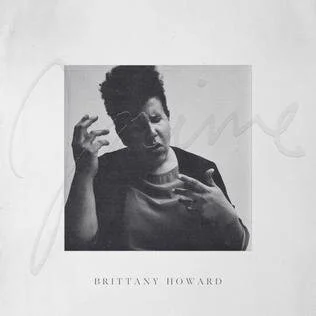
Jaime: Brittany Howard

Brittany_Howard_-_Jaime.jpg

Brittany Howard’s solo debut, Jaime, is titled after her sister, who passed when they were both youths, Howard put aside her other prominent projects such as Alabama Shakes and Thunderbitch to pursue this solo album.

Having been able to focus solely on her work as the creative director of her music, Jaime draws from many forms of historically African-American rooted genres of music and bases those influences into a rock-driven album. Howard is fluid and strong in this album— saying what she wants to, regardless of the message, racism and sexualism are open range and Brittany doesn’t hesitate to lie in the green pastures.

The album seems to revolve around reminiscence; experiences of love and hate in many of their forms— past relations, family, prejudice, and inability to fit in are just few themes in Howard’s narrative. The lyrics are firmly sung over an experiment in which rock, jazz, funk, blues, and other genres come together to make for an easy and lasting harmony in the ears of the listener. Brittany Howard’s vocals are deliberate, yet gentle, which are adjectives that can be used to detail the entire record as well, the warmness of this album wraps around the attitude in the story of this woman’s life.

Listen to Jaime

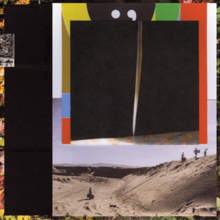
i,i: Bon Iver

The sage of harmonies, the mad genius, the celestial bard, Bon Iver’s 2019 release of his fourth studio album i,i was magical as it was mysterious and I’m still not understanding everything that’s going on in this record.

Having said that, I can appreciate a lot about this album still. i,i came a long way from Vernon’s first record, and while his discography seemed to push his ensuing albums further and further away from the confines of the norm, the latest project took a step backward towards a more serene and orderly approach. This seemingly backwards step toward inflection doesn’t mean that Bon Iver isn’t being innovative as ever; his music still brings a lot of theoretical and physical advances in an unheard fashion.

In a sense, i,i may quite possibly be the most complete and mature of Justin Vernon’s works. The reclusive nature hidden in cryptic lyrics and vocals are surrounded by a subtle grandiosity; as opposed to the chaotic tone heard in 22, A Million, this album is more tranquil and peaceful. In the midst of all the secrecy, there is a sense of calm that can be found. The usage of modulated instruments and vocals, and the overall aesthetic of the record can be seen as lifeless or full of joy, and in that perspective, the album is increasingly possessive of replay value and packs much detail.

And even after all this analysis, I still really have no idea what a lot of this album means, typical Bon Iver music.

Listen to i,i


KIRK: DaBaby

DaBaby_-_Kirk.png

Jonathan Lyndale Kirk quickly became the biggest breakout artist of 2019—starting the year with Baby on Baby, then dropping KIRK after six months’ time, it’s not often that we see back to back albums blow up like DaBaby’s did, but here we are in 2020, and Mr. Kirk is one of the hottest rappers in the game.

Unlike your traditional pop-rapper from back in the day, DaBaby is adept at putting in some proficiency in his ability to flow. Maintaining high levels of energy in his tracks while delivering solid lyricism, and his sense of rhythm is pretty impressive too. Most of the tracks on KIRK are viable to be club bangers, and yet Dababy’s smooth and commanding timbre along his southern drawl clashes with his quick and animated flow to make for a stimulating listening experience. Although the record itself disguises as a mainstream money grab before closer inspection, it has an actual depth to it and is accompanied by some interesting sounds as well as features—it’s a whole lot of bops.

DaBaby not only places himself as a pop star with this record, but also proves to be quite the rapper as well; in many cases of breakout artists, especially of the hip-hop genre, a growing number of individuals decline in their work just as swiftly as they ride the comeuppance, as for the Charlotte native, he has continued to build his portfolio as a reputable MC irregardless. Keeping up with DaBaby’s journey thus far and seeing the artist formerly known as Baby Jesus find success with his take on Southern rap, signing with big time labels, and becoming a household name in rap in the year 2019 seems unlikely of a tale, is but a glimpse into the life and the narrative of the man himself, as told on KIRK.

Listen to KIRK

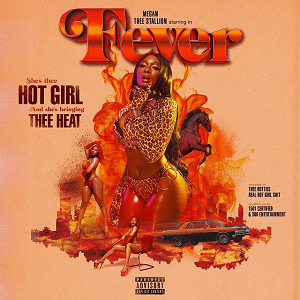
Fever: Megan Thee Stallion

Megan_Thee_Stallion_-_Fever.png

There have been a lot of female rappers in the game within the last few decades, and while the exploitation of sex, drugs, and money have been more than common by women in the hip-hop scene, Megan Thee Stallion’s debut mixtape Fever is purely all of those things; in a way that isn’t pretentious or obnoxious, but rather confident and engaging.

Fever is 14 tracks long at 40 minutes, charged with sexuality and I quote, “Hood rat shit.” In all seriousness though, Megan’s ability to rap is no joke— she’s fierce, vicious, and so, so bold. We’ve all been hit with those come-and-go artists who utilize their sex as the main attraction to their music, and it’s overplayed, I know. Fever is legitimately so much of that deliverance…that it just makes the sale. If somebody has accepted the fact that the character they are playing is fully immersive and embraces the obvious, the audience can’t help but to be drawn to such fidelity, which is exactly what happens as Megan Thee Stallion drops ratchet bars and provocative content.

Perhaps the glue that holds all of these explicit and even raunchy material is the young rapper’s ability to spit. Megan Thee Stallion holds up to any of her peers regardless of gender and even surpasses them when it comes to technically being able to deliver verse after verse. Fever is in its core feels like years and years of rap history bearing fruit—drawing from her predecessors in Houston as well as feminine voices in the rap game— giving Megan a whole lot of power in an industry dominated by male voice by challenging that authority with status, sex, and rap greatness. A sensory overload for sure, but in a ridiculously appropriate context.

Real hot girl shit.

Listen to Fever


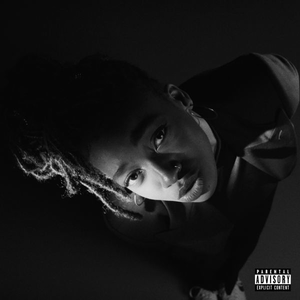
Grey Area: Little Simz

Representing the spaces between the blacks and whites in her life in the early 20’s, Little Simz’ Grey Area is an organic depiction of the questions and answers of a young woman figuring out things in her life.

The British MC’s third and most mature work to date, Grey Area is thorough, yet hollow, in a sense where the aesthetic of the album takes a few steps back from the current meta of music. Little Simz commented that the entirety of the album was recorded entirely without any samples and that may seem like a rare occurrence in today’s hip-hop; the composition of the album looks to be a combination of instruments and vocals, leading to a rudimentary, but slightly intoxicating sound where the listener can focus on the individual instruments and the voice of the now 26 year-old rapper.

Grey Area shows a… grey area in the life of Simbi Ajikawo. The album features no two alike songs, and most likely on purpose— the project was born out of the “if” and “what" of the English rapper’s step into adulthood, reflecting the confusion and the hypotheticals in the journey to growth.

Possibly one of the best hip-hop albums of 2019, and while British Grime albums such as slowthai’s Nothing Great About Britain and Psychodrama by Dave are very recognizable works (and I would recommend those as well), I personally thought Little Simz’ augmentation in her storytelling and rapping prowess earns her a spot among the top for the last year. Grey Area is bold— it’s lethal, concise, and striking, reminiscent of old school greats like Nas or Jay-Z. A surprising rise to greatness and definitely an underrated body of work, Little Simz’ Grey Area contains an air of relativity for artists and young adults living in today’s uncertainties.

Listen to Grey Area

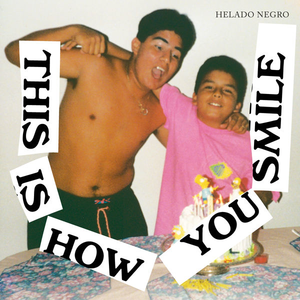
This Is How You Smile: Helado Negro

Helado_Negro_–_This_Is_How_You_Smile.png

Roberto Carlos Lange’s telltale perspective into his heritage, and his youth, This Is How You Smile is an ode to a culture, and its stories often overlooked.

The 6th album under the moniker Helado Negro and perhaps his most recognized record gets its title from a short story named Girl, along the lines “ this is how you smile to someone you don’t like too much; this is how you smile to someone you don’t like at all”, providing insight into the livelihood under immigrant parents and the joys and hardships that come with.

This Is How You Smile combines the stylings of Latin Folk with the usage of pianos, synths, and a number of tropical instrumentations to achieve a unique path of sound that carries a certain disposition towards a more island-based tone. Helado Negro’s album is lofty at its nature— seeming sacral at times through its duration, yet also contains more eerie and faint attitudes simultaneously. At 40 minutes of playtime, the gradual descent into a moodier and stagnant inflection creates a contrast through the dynamics of the album, This Is How You Smile is by no means exciting or dramatic, but the comparison between the first half of the album and the latter provides the listener with substantial change throughout the record.

While Helado Negro’s This Is How You Smile is not flashy or exhilarating, its unlikeness beckons an intrigue that swells to fascination.

Listen to This Is How You Smile

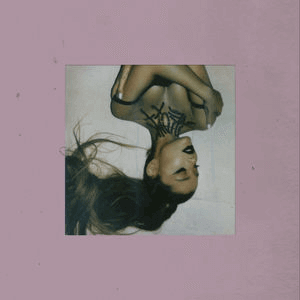
thank u, next: Arianna Grande

Thank_U,_Next_album_cover.png

From Nickelodeon actress to revealing some of her most intimate moments and her vulnerabilities, Arianna Grande is an artist who’s had more growth than most, both personally and musically.

Her earlier works, while holding a great deal of potential, felt a little juvenile and underdeveloped at times; the topical themes of her music and the sometimes-crude vocal demonstrations left a lot of room for improvements. thank u, next seems to show the evolution of Arianna in a way that gives her a clear-cut distinction from just a modern day Mariah Carey imitation— Her music is darker, more personal, and is seeping with callousness whilst being incredibly emotive. While my primary response to this album was impersonal at best, with more listens over time, Arianna Grande’s fifth studio album definitely registers as her best yet; high production values, significant improvements in pronunciation and vocality, and stability in genre as she taps into a trap based R&B realm feels appropriate for the mood of the entire album.

The attitude that the singer-actress takes in thank u, next takes is cavalier, yet delicate. Speaking out about her past experiences then finding a confidant in herself and bracing in herself, in her own egotistic mannerisms, Arianna abides in her maturity and growth over the year as she looks to the next page in her life.

Listen to thank u, next

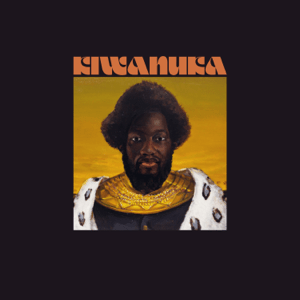
Kiwanuka: Michael Kiwanuka

English musician Michael Kiwanuka has had one of the quieter presences while maintaining a prolific status as a musician in the industry; the album Kiwanuka highlights the years of the artist’s growth and hardships into one body of work all the while paying respects to his inspirations. Evocative of the past and now, Michael Kiwanuka takes various pieces from 1960’s to present forms of music and creates a contemporary ballad to hear and feel.

Working with esteemed producers like Danger Mouse and Inflo, Kiwanuka tampers with the balance of both seemingly dated sounds and current elements of music. The drowned-out vocals and guitars, the quiet lone piano, the rhythmic and steady drums definitely add to the portrayal of passing years, Michael Kiwanuka also takes a plethora of thematic songwriting components and presents a timelessness in his musical poetry.

In what could be noted to be the height of Michael Kiwanuka’s career, the third studio album pretends to be an easy listen at first, but promptly dives into a heavy and despondent cry for mercy and helplessness fills the entirety of the album’s aesthetic. Sounding as if the music was recorded in an empty concert hall, the audible loneliness is perhaps accurately echoing the possible state of his mental.

Listen to Kiwanuka

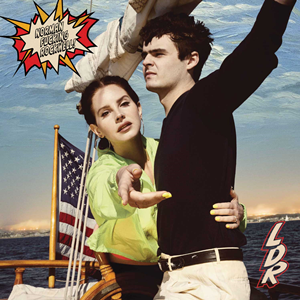
Norman Fucking Rockwell!: Lana Del Rey

I barely found LDR like, last year. I know.

Having said that, I feel like it was actually somewhat helpful and interesting in hindsight that I was so late in finding all of Lana’s work so late— seeing all the artists that she’s influenced and the gradual evolution in her early works to Norman Fucking Rockwell! made for an expedited listening experience which enabled me to compare and evaluate her discography in a non-temporal manner.

Norman Fucking Rockwell! is Lana’s best work.

A bold statement, however, in the 7 year span between Born to Die to NFR!, the American singer-songwriter Elizabeth Woolridge Grant really honed the edges of her blades and the elements in her music that was known as her best traits have become even more sharpened in her latest project. The dramatic wordplay, the grand nature of her thematic focus, and the cinematic sounds of her sounds are all arguably the most refined they have been in a Lana Del Rey album. The album is still filled with the good old LDR familiarities— the vain and cynical style of lyricism and the somewhat-helplessness of being a woman in love still persists. This idea was critically centralized upon, hence making for what reads to be Lana’s finest songwriting to date.

Noteworthy as all of the improvements and merits are, the argument against Lana Del Rey’s music still stands. While storytelling and emotional evocation is an obvious strength in Lana’s works, many critics claim that her music is rather drab or pitiable at worst. It probably is to be fair, but honestly by this point that should be an apparent part of her music, and even past such conjectures NFR! does have a decent range of dynamics in the album so…

In saying all of this, Norman Fucking Rockwell! is a beautifully ironic album that possibly contends for the title of the year’s best album.

Listen to Norman Fucking Rockwell


Charli: Charli XCX

Charli_XCX_-_Charli.png

Pop music may not be as mainstream as it once was, and a plausible explanation behind the digression of the once dominant genre is probably explained best by the rise of the sub-genres and delineations of specific forms of music.

With the elevated incorporation of technology in music, it was inevitable that more electronic ingredients would be supplemented into all types of music. In Charli, pop music was remodeled and transmuted into something categorized as hyper pop— containing heavy EDM and electronic influences, and increasing tempo, focusing less on individual melodies and overloading all of them at once.

The realm of hyper pop and electro pop, being infantile in the comprehensive view of music as a whole, is shaped by the trajectories of a collective of artists, and Charli XCX is a tremendous contribution in part. Charli takes preformed views of music and clashes an abundance of sounds to forge a unique product. While the outcomes may feel a little crude or unfamiliar, the process is one to respect. The balance between songwriting and production is undeniably commendable, and the evolution of Charli XCX’s works are absurdly energetic. All of Charli’s output is invitingly paired with a diverse array of features, making Charli’s Charli a Next Level Charli project.

Listen to Charli


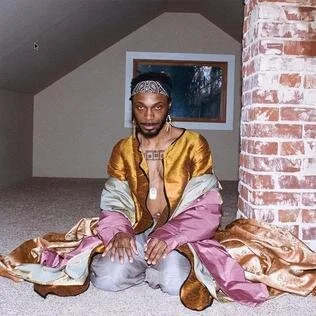
All My Heroes Are Cornballs

Jpegmafia_AMHAC_1.jpg

And pop music is obviously not the only genre being put through the experimental stages, and JPEGMAFIA is one of the most successful experimental rappers at the moment. All My Heroes Are Cornballs is filled with avant-garde approaches that combines a riot of sounds and creates an amicable wall of sound, and the most impressive part of it all might be how seemingly contained the entire album is.

JPEGMAFIA is one interesting dude, the irony of his music is unmistakable, with the project seeping with memes and internet slang, one would probably wonder how an individual puts an album like this together. Which is a really valid question because within the whole mess under this album, there is so much minute detail embedded in All My Heroes Are Cornballs. Sampled and recorded vocals, the underlying synths, abrupt eruptions of adlibs and inserts, the musically sound progressions of chords and harmonies, and the adhesion of all the aforementioned pieces come together in a nearly accidental degree; which is really the genius behind this album. it’s crazy.

All My Heroes Are Cornballs is largely comprised of hip-hop, R&B, pop, punk, and a bunch of other things in between. The intricate balance of the genres and the individual production qualities make listening particularly animated and almost requires a meditative level of active listening if the listener really wants to observe the immensity of the intricate design in which JPEGMAFIA’s very own Frankenstein’s monster is brought to life. Filled with moments that come across as unsolicited shouting to declining into lyrics that might warrant social contemplation, all of this is just a game of musical hopscotch without any boxes.

Listen to All My Heroes Are Cornballs


1000 gecs: 100 gecs

1000_gec_album.jpg

The musical equivalent to the film The Room or Sharknado?

At this point I’ve listened to 1000 gecs about 4 or 5 times, and I still can’t tell if it’s good or bad.

It may be so bad that it’s good? or the vice versa?

No album has made me reflect about my existence more than this album.

This is the evolution of music boiiis.

But in all honesty, it’s actually a really fun listen, past all the third-rate humor and bursts of vulgarity, there’s an air of straightforwardness and solidarity(?) throughout the album. I really can’t explain this album without having you listen to it first, lol message me or something afterwards, we can all contemplate this album together.

Listen to 1000 gecs

Other Albums that are either some of my personal favorites or ones that I’ve already written about:

ZUU: Denzel Curry- South Florida’s own lyrical heavyweight, Denzel Curry probably has one of the most slept on rap recognition and one of the most slept on albums of 2019.

Listen to ZUU

Hot Pink: Doja Cat

This album makes this list purely because of the viral rise of Doja Cat. Thanks Tik Tok.

Listen to Hot Pink

The Lost Boy: YBN Cordae

YBN Cordae maybe a rookie in the game, but his lyrics and style are definitely a cut above the rest. The Lost Boy is simple— a balance between adhering to the old school swagger with a touch of modern vigor and spirit.

Listen to The Lost Boy

When I Get Home: Solange

How is this family this gifted musically? Solange and Beyoncé obviously have different styles when it comes to music, but the younger sister isn’t running behind in any manner.

Listen to When I Get Home

Fine Line: Harry Styles

Yes, yes, a Harry Styles album. It’s actually probably one of the better pop albums of the year and also has some really solid moments throughout the album.

Listen to Fine Line

LEGACY! LEGACY!: Jamila Woods

Probably my personal favorite album from 2019. Jamila’s vocals prowess and the artistry that goes into this album is immaculate.

Link to my post about LEGACY! LEGACY!

IGOR: Tyler, The Creator

Tyler’s latest and possibly the most polarizing album, it’s still technically and thematically sound. There were fan-made posters and street art of this album everywhere in Europe around the time of its release, such a loyal fanbase.

Link to my post about IGOR

When We All Fall Asleep, Where Do We Go?: Billie Eilish

Billie is a surprisingly good writer, and the production by FINNEAS is above passing. An immense follow-up to Billie’s early rise to stardom, the debut album is deeper and better than most had imagined it would be.

Link to my post about When We All Fall Asleep, Where Do We Go?

-

If you made it this far and took the time to read all my thoughts and opinions, I want to say thank you.

It’s been pretty hard to stay motivated and dedicated sometimes, but it has been really fun (and really hard) listening to and writing about all these wonderful projects and I hope you do too, I will be back soon with more content in the near future. See you soon.

Thank you,

Always.

Erik K.

3.15.20: Childish Gambino

3/24/20

2:34 AM

Donald Glover’s fourth studio album, 3.15.20 breaks the silence after four years as entertainment industry’s Swiss Army Knife, Childish Gambino’s continuation from his last full project, Awaken, My Love! Familiar and new envelop this album in more ways than one as the Glover’s genius is showcased yet again.

-

Diving back into possibly his best craft— Donald Glover, in this case as Childish Gambino— retreats to music with the release of 3.15.20. As a project that identifies best as a mild experimental base with infusions of R&B, Hip-Hop, Poptronica, and Dance music— 3.15.20 is seemingly a very scientific record, as much of the track names are simply just the time stamps to the album, and the hypnotic and trancing qualities of the songs also add to the almost-robotic atmosphere to the composition. However, the nature of the album’s sound is actually quite quirky; while perhaps lacking a poetic or even personal layers in their labels, each track is greatly distinguishable to itself. 3.15.20 is both cohesive as a body of work while still having a touch of a variance at the same time. The overall generality of this work feels more akin to Gambino’s earlier work, Because the Internet as opposed to the more recent and organic Awaken, My Love! due to the usage of familiar components and sharing an entire basis of making a more computerized and experimental album in 3.15.20.

The content of this album mainly flirts between the balance of introspection and ignorance— engraving short flickers of reality within the transparencies of epicurean and haphazard fronts. From love to futility of parties, racial tension to Gucci jackets, purposelessness to environmental concern, and the digital takeover to familial bonds, the irony and satire often seen in Childish Gambino work persists. With contributions from artists like Ariana Grande, 21 Savage, and Kadhja Bonet, and Ludwig Göransson being one of the many collaborators on the project, 3.15.20 is more expansive than one would expect with great replay value and the majority of the album is reminiscent of 80’s dance music to a blend of contemporary mechanized elements.

-

3.15.20 is weird, yet surely caring— an album in which the listener can find the inner workings of a creative striving to express and survive at the same time; showing the engagement between the psyche and its surroundings. Readily covering just about every conceivable thematic, the focus lies therein on none, therefore- all.

*lol the cover of this album is currently just a white square

3.15.20-scaled+2+%281%29.jpg

Listen to the album below:
3.15.20

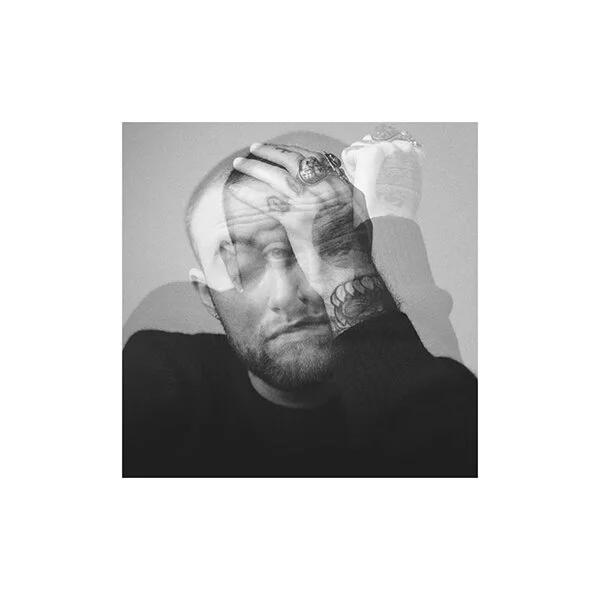
Circles: Mac Miller

2/26/20

4:04 AM


It’s been little over a month since the release of Malcolm McCormick, or more famously known as Mac Miller’s posthumous album, and it’s still difficult to pin a definitive opinion on the project itself.

-

Without a huge certainty on the intentionality for the thematic scheme of the album, the record seems to revolve in circles around the topic of life, and the experiences therewitihin. Circles as an album pictures a tragically beautiful story— one in which the listener is placed into a dramatic irony of seeing the hopelessness in a man yearning for self-visualization, reflecting upon his afflictions, and having plans for the tomorrows, but is deprived of a future. This is elaborated in knowing that Malcolm was going through a period of depression from relationships and failed recoveries, and yet the lyrical contents of the album seemed to reflect a desolate optimism in its message, and in the midst of this assuring tonality, the listener is again reminded of the passing of the young rapper.

Circles is nearly impossible to categorize as a single genre album, and even to two or three; perhaps best labeled as an urban-contemporary project in my opinion. Inclusions of hip-hop, rap, R&B, emo, house, rock, and even folk or indie influences are notable throughout the album, making it digestible for a wide range of audiences while adhering to Mac’s stylistic fluidity in production and songwriting. The overall lack of energy doesn’t seem to take away from the record as much, but provides a forlorn overtone to it. However, “Blue World” (produced by Guy Lawrence—one half of the EDM group Disclosure and some additional input by Jon Brion) and some short moments in other tracks keep the totality of the album from being eclipsed by gloom, and showcases aptitudes for the range of color in Mac Miller’s music.

-

While the death of Malcolm James McCormick does not augment or minimize the album in any way, I do believe that Circles being released as a commemorative work does affect the way that the listener engages with the album. Perhaps the most disheartening element in the passing of the young artist and seeing the end to his career may have been the potential of his future and his involvement in music. So many artists attested to his influence within the industry and how much he contributed to it as well, and the stories of his actions on and off the mic were just a few things about him that made him not only an incredible artist, but also a human being.


Gone too soon.

f5528ff2f79b8c9aaf79f41beaea2379.1000x1000x1.jpg

Listen to the album below:
Circles

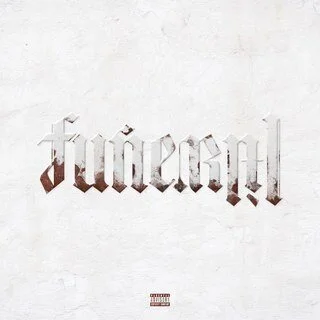
Funeral: Lil Wayne

2/7/20

12:40 AM

*Flick, flick, inhale.*

At 24 tracks and spanning over an hour and fourteen minutes, Lil Wayne’s Funeral displays a full range of the rapper’s musical portfolio as we enter into his fourth decade in the industry. With his contractual and legal disputes out of the way, Tunechi returns from his previous project Tha Carter V, successfully breaking away from his slump and triumphantly returning to his rap potency, as one would expect from possibly one of the most impactful artists in their genre.

-

Funeral being a continuation album of Wayne’s 2010 Rebirth series seems like a successful attempt of a struggle for relevancy— acclimating to today’s standard of music while maintaining classic elements of a legacy artist, the format and the overall energy of this album seems more similar to Tha Carter III than anything. Starting the record with a little bit of theatrical musing, the 24 track journey begins with an introduction in “Funeral”, seemingly laying down the tone of the album, but instantly changes the pace and gains momentum. “Mahogany”, “Mama Mia”, and the first few songs in the album strike hard impressions, landing preemptive jabs to the unsuspecting listener and catching them off guard; the energy of the first eight or nine songs are almost comparable to prime Weezy, and is paired with a few tracks that are more serious and somber towards the end of the album.

Topically, the album seems to be a decent balance between a man simply wilding out and coming back to realistic aspects of his life, where Lil Wayne finds a lot of his success stems from his platform— a hooligan turned millionaire just having fun, but remembering the days when he wasn’t so fortunate, Lil Wayne understands that he isn’t necessarily a political figure, and keeps his music far from related subjects, allowing his listeners to just enjoy the musicality of his work. Also expected of a Lil Wayne album, Funeral features the rap proficiency of a veteran in the game, packed with punchlines and technical execution, there’s also brief a Kobe Bryant tribute on track 8, which lasts 24 seconds. However, the album suffers from the length and some of its editorial issues; a few songs near the middle to latter sections of the record feel a little dragged out and muddy in contrast with the entirety of the work.

-

Nonetheless, the cons of this album are definitely straightened out by its strengths— high energy bangers, some featured artists contributing a solid amount to the project (and some like Lil Twist and The Dream having their careers somewhat revived for a moment…), the commercially aimed songs are fool-proof in their purpose, the content is airtight, and the project, while lacking cohesion, can be identified as an album put out by Lil Wayne and is a positive output in comparison to earlier works like I Am Not a Human Being II or Free Weezy Album, with its most notable weakness stemming from a lack of editorial decisions and organizational components. Having said all this, in the continuation of Weezy F. Baby’s career, Funeral sets up for an upward trend for the rapper’s future and the possible quest to being the best rapper alive yet again.

Funeral_Lil+Wayne.jpg

Listen to the album below:
Funeral