Alternative Rock

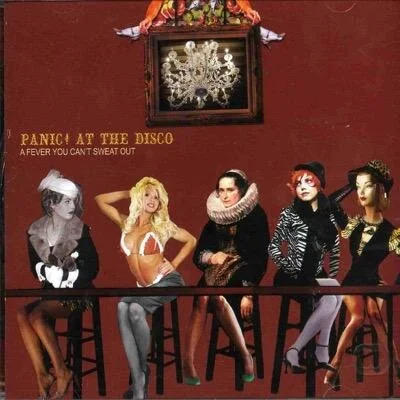
A Fever You Can't Sweat Out: Panic! At The Disco

11/07/20

4:56 PM

Brendon Urie has become somewhat of a pop icon within the industry over the last few years, but looking back on the development of a band now labeled as “pop rock” with its frontman being the entire sum of the once baroque-emo-electro-punk band, it’s been quite a wild journey to observe their progression in the eyes of a fan as well as a critic.

-

Rewinding back through Panic! at the Disco’s multi-genre discography and retracting the personal and vocal growth that Urie built up over the years alongside a few band members, (both founding and touring) it’s intriguing to retrace the path that Panic! at the Disco took. The four friends and founding members from two different high schools decided to play in a band and the result was a triple platinum album in A Fever You Can’t Sweat Out. If you were alive in the mid 2000’s, there’s a pretty decent chance that you recognized Panic! within the first three seconds of their career-making single— the sound of the ringing Pizzicato strings from the track titled “I Write Sins Not Tragedies” along with the rest of the discography containing equally perplexing titles, made up an unfamiliar combination of electronic and emo punk that was somewhat controversial to the scene.

The neo emo album is made up of what seemed like an unlikely composition at the time— you have the expected components like guitar, bass, and drums, but where the distinction begins to take place is the inclusion of baroque pianos, drum machines and synths layers on top of a more gothic tone— and in 2005’s emo scene? Are you kidding?! The slick riffs and irregular, yet foundational rhythmic make-up of the album adheres to the traditional standards of the genre while progressing over its preconceived boundaries. The band’s instrumentation and production by Matt Squire paired with a young Brendon Urie’s vocality create the sarcastically bold sound of Panic! at the Disco’s debut album. Looking at the album as a whole, A Fever You Can’t Sweat out resembles a theatric translation of a cabaret show into a dynamic thirteen track album, as if it were arranged to be a dramatic play.

In substance , the overall nature of this album reflects a lot from the literary inspiration and the surrounding aesthetic of the band’s song writers Brendon Urie and Ryan Ross. The stark Vegas burlesque and the satirical outlook on vanity and lust is magnified by their interest in the written works of Chuck Palahniuk (Invisible Monsters, Fight Club, etc.)— a writer who categorizes into transgressive fictionalism- a narrative where characters feel the desire to emancipate from social norms. Every one of the titles in A Fever You Can’t Sweat Out is derivative of Palahniuk’s writing,. “The Only Difference Between Martyrdom and Suicide Is Press Coverage” and “There’s a Good Reason These Tables Are Numbered Honey, You Just Haven’t Thought of It Yet” as track titles foreshadow the non-linear type of lyricism that seem to fit… almost too well; a lot of the writing seems obscene, obscure, and irreverent— delving into vain, sexual, and exhaustive details of written accounts that responds well into the album’s overall design. But while the lyrics and songwriting in this album are cohesive and unique, the topical focus in the words revolve around seemingly toxic material; the thematic outline and lyrical constitution might look to be inappropriate and sometimes even discomforting throughout the album behind its musicality. However, although the album is filled with innuendos and questionable jabs toward more serious subjects, the attitude that the writers have doesn’t seem pretentious or ill-natured, but is a probable banter to display their emotional and mental casualties as many of these topics seem to stem from the writers’ personal histories and solidifying them into tangible works of music make Panic!’s songwriting exhibit the external glamour in the acts of life and vilify the crude realities in a hollow ecstasy.

…15 years later and it’s been an entertaining transition to see a band that sang about breaking away from given expectations and straying from mainstream circumstances, make folk music, then alternative indie, then electronic synth pop, then jazz pop, and finally landing on being mainstream and fitting into a popular form of music. “Can't take the kid from the fight, take the fight from the kid” I guess.
Listen to the album below:
A Fever You Can’t Sweat Out

Blue Sky Noise: Circa Survive

8/31/20

1:57 AM

Growing up in the 2000’s, a lot of the songs on the radio (before streaming platforms, it was either CDs or radio) drew up to be a large part of my musical palette. Obviously mainstream rap artists like Lil Wayne or Kanye are some of my first steps into music as a whole, but another facet to my music taste can be accredited to pop punk, emo, progressive, and post rock, all of which started taking off from the early 2000’s into the 2010’s and accounted for a lot the music that I would listen to in the following years.

Circa Survive’s Blue Sky Noise meant a lot for me— I still remember one of my friends had recommended this album to me because it had interweaved each track into the next. The seemingly continuous feel of this album in which different songs felt like one connected track was something we’d never really heard before and that gave merit in listening to this album from front to back. It was one of the first albums that I’d listened to all the way through, and one of the first steps I took towards opening up to more progressive and heavier forms of music.

-

From the first minute of Blue Sky Noise, Circa Survive boasts of their charisma, intensity, and the individuality of their sound, and while Anthony Green might be the most recognizable member of Circa Survive as its frontman and vocalist, every instrumentalist is substantial in contribution, and the overall level of performance of the band is quite remarkable throughout the project where each musician in the band plays a crucial role; the mathematic and rhythmic nature of their music is executed by the combination of heavy driving bass lines, the sharp and percussive drums in odd time signatures, and the frenetic, yet meticulous lead guitar riffs. The balance between the instrumentation and vocal components is delivered in both an intricate and aggressive manner to attack listeners while maintaining a stability by staggering between compact and bareness in composition.

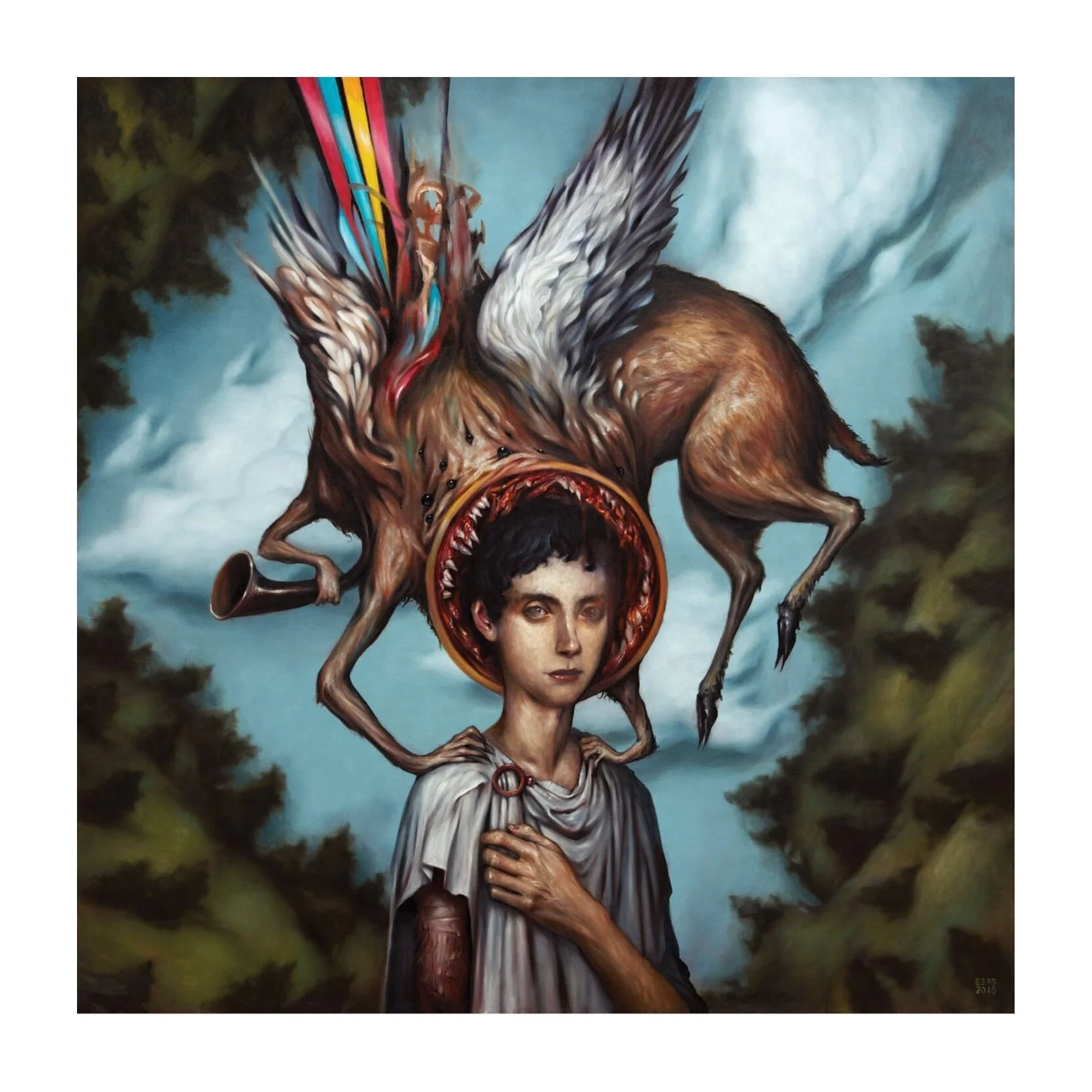
Within Circa Survive’s discography, Blue Sky Noise seems like the perfect balance between the band’s first two albums— five years prior was their debut piece Juturna, and three after was On Letting Go— Circa Survive took from the cryptic and enigmatic elements of their music and refined their sound to a more digestible tonality. Blue Sky Noise is cohesively adherent to Circa Survives’ imagery and thematic foundations in the sense that it takes from some of their earlier releases and improves upon the positives while detracting some critical qualities, successfully creating an album with the strong points of the previous work. The entire aesthetic of this project both visually and sonically evolved the band’s persona; the creepy progressive sound was met often with symbolic and enigmatic artistry, but the overall musicality became more adaptable to cater for a wider audience while holding onto their initial eccentricity.

From their debut album Juturna, the remnants of depressive and despondent air in Circa’s music still lingers, but is found amongst more admissible and azure tones that made the album more welcoming in a sense. However, the complexities of their style remained as the duality within this album comes back to the lyricism and writing; while Blue Sky Noise’s artwork and overall sound became much brighter, Anthony Green’s writing saw to a more tragic and morose narrative than before. Hidden underneath the mask of technicality, near-scientific melodies, and musical architecture, detailed accounts of his wife’s two miscarriages and the struggles with addictions plagued Green throughout the writing and production of the album. Blue Sky Noise unearths misery and dreariness of a man riddled with guilt and abjection, but also alleviates the scars caused in these haunting realities by portraying the deadening tales in Green’s lyrics and contrasting them with violent waves of liberating anecdotes embracing acceptance and hope to bring the album back in full circle.

-

Perhaps the genius within this album lies beneath the attention required in finding it; while the grandeur of Blue Sky Noise in its openness may attract more audiences on the surfaces, the amount of detail and vulnerability revealed in some of the darkest moments give profuse amounts of depth in this project, making each song worth the cautionary listen.

81lyCDYQ7ML._SL1425_.jpg

Listen to the album below:

Blue Sky Noise