RNB

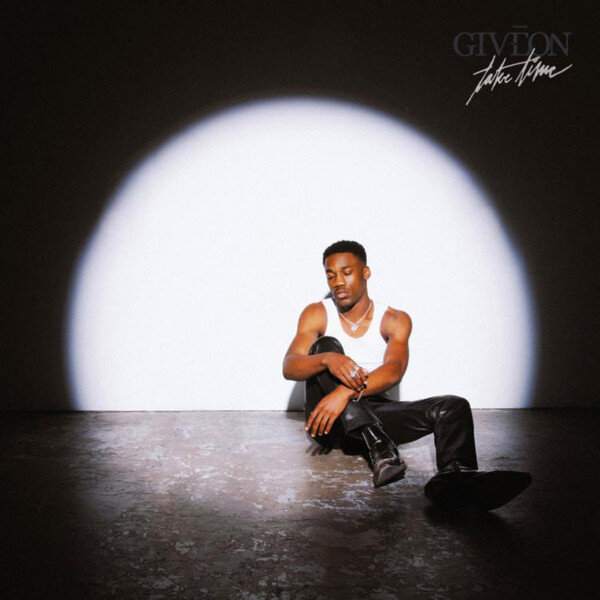
TAKE TIME: Giveon

1/16/20

3:15 PM

Long Beach born singer Giveon Dezmann Evans, mononymously known as GIVEON, found recognition through featuring on Drake’s “Chicago Freestyle” soon after releasing his first full body of work in TAKE TIME. The contemporary R&B project holds a lot of emotion and traditional rhythm and blues qualities matched by an equally soulful voice— and it has been running on repeat for about a month now.

No stranger to the music scene, the 25 year-old artist has been pursuing a career in music since high school and attended a program with the Grammy Museum after graduating. Giveon finally earned critical acclaim in 2020 and a wave of newfound fandom, Evans’ has since taken advantage of the momentum gained by releasing another EP titled When It’s All Said and Done. Giveon’s TAKE TIME was also nominated for the 2021 Grammy Award for Best R&B album.

-

TAKE TIME’s success and high praises are self explanatory— Giveon’s deep and resonant voice fits perfectly into the genre and the attitude the record is set in; the lyricism is sensitive, yet passionate, elevating both audible and written elements respectively. A rare form of true R&B in the current spheres of contemporary music, Giveon utilizes classic R&B ideations and supplements modern components in constructing the production. The album is characterized by the singer’s deep and resonant baritone vocal range with an emphasized usage of weighted bass lines. The intricate balance between piano, guitar and percussive instruments all assemble the totality of the sound; the choice of each audible part in the instrumentation is laid well beneath Giveon’s evocative, yet recognizable vocals, resulting in an airtight production with a near pressurized atmosphere in the music.

The writing in TAKE TIME resembles the almost minimalist approach of the sound as well—saying a great deal while doing the least. The simple nature of the lyricism gives reality and transparent depth to the music. Much of the words in each track through show flashes of insecurity, melancholy, infatuation, and a hint of regret; the writing throughout the album isn’t exceptionally poetic or artistic, though it is intensely direct with overtones of desire and longing. Focusing on subjects that pertain to heartbreak and everything after, TAKE TIME becomes one man’s testimony to his accounts of love and its end.

-

Perhaps the best part of this album is the musical efficiency, or maybe the written components that clarifies an anecdote of past romance, but the most probable factor is likely the emotional relativity of the project. Somehow listening to a stranger’s context of their history feel vastly familiar— while the exactness in the details are divergent, the overarching sentiments seem to strike a vein for listeners who find recollection in heartbreak.
Listen to the album below:
TAKE TIME

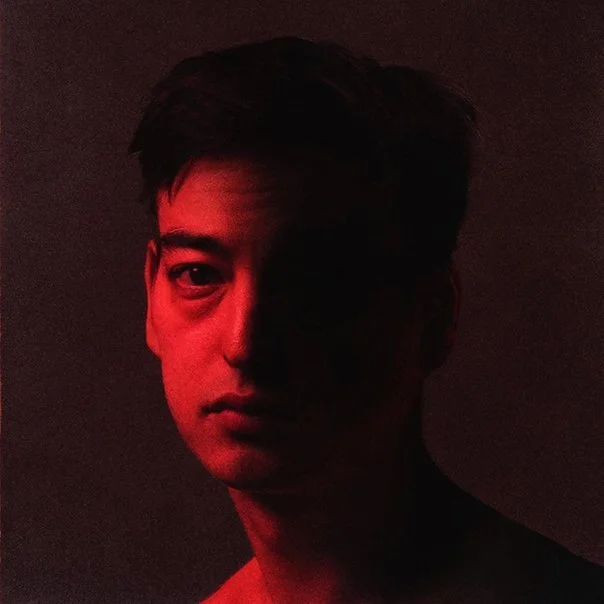
Nectar: Joji

09/25/20

11:59 PM

To be Frank, this album is pretty weird.

It came at a weird time, I’m not completely sure what it’s about, I don’t know if it feels completely right, and so it’s just a confusing piece of work that is neither really black OR white; Joji Enter stage left.

-

Following his breakout debut BALLADS 1, George Kusunoki Miller’s cult following gained considerable amounts of momentum as someone who seemed to be the purest of all internet trolls turns solemn, somber, and sincere.

Nectar follows suit. The album begins with a few preludes that feels like the audial equivalence of the inability to fall asleep at 4:16 AM, feeling drowned out by your thoughts— the level where Joji looks to be the most noteworthy in a sense. The irony between his personas are stark, yet the satirical acts thrive as perhaps the complexity of the human state of being can be observed behind all the idiocy.

Probably not though, let’s be honest: Filthy Frank, Pink Guy, Salamander Man, Lord Chin Chin, and Joji all play off of stupidity and irony, and the musical themes of Joji are of no exception, and while BALLADS 1 and prior works mainly depict a more depressive scheme throughout, Nectar attempts to slowly find a more animated plane during its duration.

The emotional and physical metastacity of this album accounts for both the pros and cons of this album. Starting with negatives, It really is all over the place. The overall organization could be refined; rather than motioning fluidly between tracks, the transition from song to song sometimes seem adversely fickle and abrupt. As opposed to having a dynamic through the album, the tracks shuffle between seemingly polar moods at times, creating a possibility for listeners to be distracted by the lack of subtlety. Continuing to extrapolate on organization and track listings, it did feel like the the totality of the record could have been trimmed down a bit. At 18 tracks spanning through 53 minutes, Nectar’s issue with inconsistency could also be fueled by the inclusion of more dated singles that don’t quite fit the overall imagery that the album paints.

Past the negatives, the album is full of strong points— it’s weird to think that Joji has an ingenious aptitude for musicality, but he does. Each individual track is produced skillfully and is cohesive in its components. The choices for instrumentation composition in production is uniquely constructed; not overdone, nor hollow, the general makeup of Joji’s sound is formed by Eastern influences conjoined with popular styles of music. In comparison to BALLADS 1, which is almost entirely sobering and dark in its aesthetic, Nectar shows room for a little bit more liveliness and dynamic. With the usage of Classical influences fragmented between contemporary arrangements, the sexiness of the tonal atmosphere enhances the incredibly sleek tone of the album. The lyrical diplomacy between emotion and man is continued in this album as well, doing well to not stray to far from a successful ingredient from the previous album.

No idea as to why the album is titled Nectar, but it’s sweet, it’s heavy, and it’s pure.

604-2.jpg

Listen to the album below:

Nectar