Art

Albums of 2019: A year in review

7/3/20

5:20 AM


I started this particular project about compiling a best of 2019 list a few times and a while ago, but it took me a long time and a couple of road trips to fully listen to and decide on which artists and their albums would make this list. Yes, I do realize I’m a half a year late but I figured better late than never- am I right my fellow procrastinators?!

So without a lengthy foreword or introduction, here are my personal analyses on albums I thought were some of the finer records from the year 2019.


Hollywood’s Bleeding: Post Malone
5d759f4b36a7d.image.jpg

Starting off the list with one of the more digestible and perhaps the most mainstream album on this list, Post Malone’s third project, Hollywood’s Bleeding is a product of alternative rock and hip-hop coming together to make a record which effectively caters to the majority.

Hollywood’s Bleeding is the first Post album that I’ve listened to in its entirety repeatedly, and I felt like it was a really pleasant place to start in the Dallas native’s discography in a way. Of course, when people mention Post Malone, the blockbuster singles such as "White Iverson” and “Congratulations” are instant reminders of Post’s success within the last few years, but Post Malone is really cooking with fire on this project.

Paired with some respectable levels in production, the whole concept of making an Emo rap project with a whole lot of alternative rock influence seems pretty keen to the times— aiming not only to his current audiences, but additionally to fans to both aforementioned genres as well. The lyricism of the record reflects the 24-year-old rapper’s nature as an emotive, yet goofy character and the vocal elements in his songs are well put together. Few years into his rise to stardom, Post Malone is really using fame and success to his advantage, which in turn may be a slight irony for the album’s title: Hollywood’s Bleeding.

Listen to Hollywood’s Bleeding


Cuz I Love You: Lizzo
Lizzo_-_Cuz_I_Love_You.png

This album is big— big personality, big attitude, big vocals, and just one big blast in summary.

What a year for Lizzo, as 2019 proved to be a huge breakout period in the singer/ flutist’s career and landed her a great deal of fame and recognition as a musician. Cuz I Love You is such a fun and liberating album where Lizzo breaks out all the big guns— “A pop album with a message?” Yeah, this is it.

Putting her personal physical, emotional, and sexual experiences and attributes into a grand, lively, and charming album isn’t always easy, but the sheer boldness of the boisterous artist makes it work (and fairly well!). With the growing lack of expectation from the pop genre, Lizzo’s take on it is pretty refreshing and cheerful, turning some not great aspects of social components and disdains into things we can laugh about.

Cuz I Love You isn’t simply a fun album with nothing else, but it’s also musically sound. Lizzo’s huge vocal capacity and her background and education in classical music is a couple more layers to be added on to the album. The culmination of everything Melissa Jefferson—also known as Lizzo, is showcased in all of its glory in her third album: Cuz I Love You

Listen to Cuz I Love You

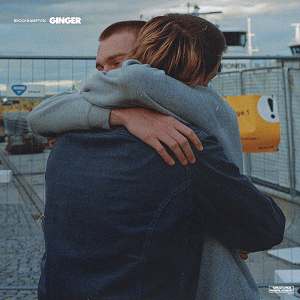
GINGER: BROCKHAMPTON

Brockhampton_-_Ginger.png

BROCKHAMPTON’s 5th studio album is met with a great deal of mixed reviews, GINGER is probably the most emotive album that the eccentric new age boy band has released in their discography, becoming a work that seems to stand out from their other projects.

GINGER comes through in an easy, yet captivating tone that blurs the lines between genres and portrays a lot of the band’s old distinct sound while incorporating new faces of its members and characteristics. The more emotive nature of the album is blatant, but not overbearing; in a manner that was described as “making music about anxiety and depression that people could dance to” by Kevin Abstract.

As expected from a collective with more than ten individuals, GINGER continues to deliver a number of different flavors unique to BROCKHAMPTON— from whimsical dance tracks to solemn ballads, hopping back and forth the two moods doesn’t seem to be a problem throughout the album, or even within tracks for that matter. Perhaps the most complete BROCKHAMPTON Album in a sense, with more than just funky production and alternating vocals, GINGER is a collection of perspectives from a few young minds expressing what they’re going through in today’s world.

Listen to GINGER


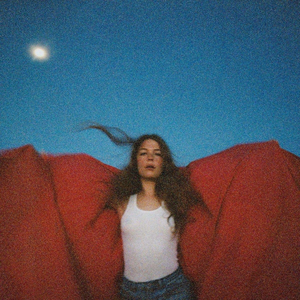
Good At Falling: The Japanese House / Heard It In A Past Life: Maggie Rogers
These two albums kind of share a place together on this list, I usually am not one to compare albums’ similarities as much rather than to evaluate the individual aspects… but these two are really similar, and I thought it’d be unfair to leave one out over the other.

-

Amber Bain, who is the mastermind behind The Japanese house showcases her talent in all of her production and writing. The debut album for the artist is somewhat akin to an irony due to the cacophony between the driving elements of the melodic instrumentation derived from thumping basslines over synths and waves, while drenched in sobering vocals and cognitive lyrics. The conflict between these two elements doesn’t take away from the work in any way, but rather creates a unique narrative that can be traced back to individualism within the modern youth.

Good At Falling, is at its core, a very modern indie pop album with a lot to show for. Moody, yet punchy in a way that makes the project interesting enough to keep listening the entire time. The instrumentation and lyricism of this album come together to shine an artistic element to each track, while maintaining a semi-lively atmosphere throughout, Good At Falling captures a scope somewhere between dreams and reality, finding the delicate balance in the two.
download (13).jpeg

Let’s list the similarities: Both albums represent indie pop in its current standards extremely well, they’re both inclusive of the usage in both electronic and organic parts, they’re both debut albums to very promising young artists and were met with much positive review.

-

And yet there are still quite a few differences to list. Maggie Roger’s Heard It In A Past Life is generally inclined to a brighter and a more positive overtone. Comparatively, Roger’s vocals are more radiant than not, while both albums are incredibly melodic in their own ways, Heard It In A Past Life is inherently much more upbeat and outgoing when compared to Good At Falling— maybe portraying a slight disparity within American and British indie pop.

As Maggie was discovered by an industry colossus known as Pharrell, some doubts regarding artistry and finesse has been voiced towards her music; and while some may argue that the album could be deemed as being overproduced or muddied by too much, the argument for overproduction is actually quite valid in today’s music scene as the pop genre itself sees much of its popularity to the growing appreciation on electronic and trap influences. Maggie Roger’s first body of work shows room for improvement in future projects while providing a decent headway for the genre; one in which the potentiality for pop music and its boundaries are continually enabled to be pushed and imagined.

Listen to Good At Falling

Listen to Heard It In A Past Life

Bandana: Freddie Gibbs & Madlib

Bandana_freddie_gibbs.jpeg

Put two of underground hip-hop’s best within one album, mix their talents and what you end up with is Bandana.

Every single track produced by legendary DJ/ Producer Madlib, combined with one of the realest lyricists in hip-hop, Freddie Gibbs, and you know something’s bound to blow. Violent imagery, real life predicaments, social philosophies, and years of progress in rap are delivered by Gibbs’ dark and deep voice; his proficiency for rapping and wordplay disproves any doubt that the man isn’t hard. On the other hand, Madlib’s utilization of samples and a sense of nostalgia stemming from old school type beats is unparalleled, creating an infinite playground of hip-hop greatness.

-

Honestly, I wanted to write more about this album… but it’s really hard, bars are hard, beats are hard…

They just don’t make ‘em like this anymore…

Easily one of the best gangster rap albums out there, just go listen to it.

Listen to Bandana

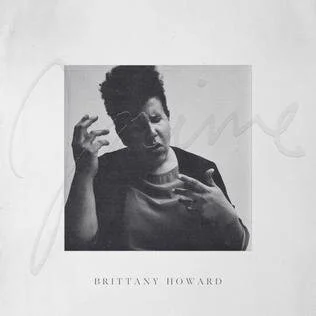
Jaime: Brittany Howard

Brittany_Howard_-_Jaime.jpg

Brittany Howard’s solo debut, Jaime, is titled after her sister, who passed when they were both youths, Howard put aside her other prominent projects such as Alabama Shakes and Thunderbitch to pursue this solo album.

Having been able to focus solely on her work as the creative director of her music, Jaime draws from many forms of historically African-American rooted genres of music and bases those influences into a rock-driven album. Howard is fluid and strong in this album— saying what she wants to, regardless of the message, racism and sexualism are open range and Brittany doesn’t hesitate to lie in the green pastures.

The album seems to revolve around reminiscence; experiences of love and hate in many of their forms— past relations, family, prejudice, and inability to fit in are just few themes in Howard’s narrative. The lyrics are firmly sung over an experiment in which rock, jazz, funk, blues, and other genres come together to make for an easy and lasting harmony in the ears of the listener. Brittany Howard’s vocals are deliberate, yet gentle, which are adjectives that can be used to detail the entire record as well, the warmness of this album wraps around the attitude in the story of this woman’s life.

Listen to Jaime

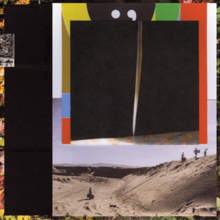
i,i: Bon Iver

The sage of harmonies, the mad genius, the celestial bard, Bon Iver’s 2019 release of his fourth studio album i,i was magical as it was mysterious and I’m still not understanding everything that’s going on in this record.

Having said that, I can appreciate a lot about this album still. i,i came a long way from Vernon’s first record, and while his discography seemed to push his ensuing albums further and further away from the confines of the norm, the latest project took a step backward towards a more serene and orderly approach. This seemingly backwards step toward inflection doesn’t mean that Bon Iver isn’t being innovative as ever; his music still brings a lot of theoretical and physical advances in an unheard fashion.

In a sense, i,i may quite possibly be the most complete and mature of Justin Vernon’s works. The reclusive nature hidden in cryptic lyrics and vocals are surrounded by a subtle grandiosity; as opposed to the chaotic tone heard in 22, A Million, this album is more tranquil and peaceful. In the midst of all the secrecy, there is a sense of calm that can be found. The usage of modulated instruments and vocals, and the overall aesthetic of the record can be seen as lifeless or full of joy, and in that perspective, the album is increasingly possessive of replay value and packs much detail.

And even after all this analysis, I still really have no idea what a lot of this album means, typical Bon Iver music.

Listen to i,i


KIRK: DaBaby

DaBaby_-_Kirk.png

Jonathan Lyndale Kirk quickly became the biggest breakout artist of 2019—starting the year with Baby on Baby, then dropping KIRK after six months’ time, it’s not often that we see back to back albums blow up like DaBaby’s did, but here we are in 2020, and Mr. Kirk is one of the hottest rappers in the game.

Unlike your traditional pop-rapper from back in the day, DaBaby is adept at putting in some proficiency in his ability to flow. Maintaining high levels of energy in his tracks while delivering solid lyricism, and his sense of rhythm is pretty impressive too. Most of the tracks on KIRK are viable to be club bangers, and yet Dababy’s smooth and commanding timbre along his southern drawl clashes with his quick and animated flow to make for a stimulating listening experience. Although the record itself disguises as a mainstream money grab before closer inspection, it has an actual depth to it and is accompanied by some interesting sounds as well as features—it’s a whole lot of bops.

DaBaby not only places himself as a pop star with this record, but also proves to be quite the rapper as well; in many cases of breakout artists, especially of the hip-hop genre, a growing number of individuals decline in their work just as swiftly as they ride the comeuppance, as for the Charlotte native, he has continued to build his portfolio as a reputable MC irregardless. Keeping up with DaBaby’s journey thus far and seeing the artist formerly known as Baby Jesus find success with his take on Southern rap, signing with big time labels, and becoming a household name in rap in the year 2019 seems unlikely of a tale, is but a glimpse into the life and the narrative of the man himself, as told on KIRK.

Listen to KIRK

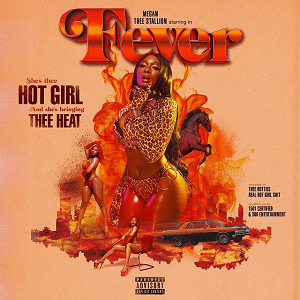
Fever: Megan Thee Stallion

Megan_Thee_Stallion_-_Fever.png

There have been a lot of female rappers in the game within the last few decades, and while the exploitation of sex, drugs, and money have been more than common by women in the hip-hop scene, Megan Thee Stallion’s debut mixtape Fever is purely all of those things; in a way that isn’t pretentious or obnoxious, but rather confident and engaging.

Fever is 14 tracks long at 40 minutes, charged with sexuality and I quote, “Hood rat shit.” In all seriousness though, Megan’s ability to rap is no joke— she’s fierce, vicious, and so, so bold. We’ve all been hit with those come-and-go artists who utilize their sex as the main attraction to their music, and it’s overplayed, I know. Fever is legitimately so much of that deliverance…that it just makes the sale. If somebody has accepted the fact that the character they are playing is fully immersive and embraces the obvious, the audience can’t help but to be drawn to such fidelity, which is exactly what happens as Megan Thee Stallion drops ratchet bars and provocative content.

Perhaps the glue that holds all of these explicit and even raunchy material is the young rapper’s ability to spit. Megan Thee Stallion holds up to any of her peers regardless of gender and even surpasses them when it comes to technically being able to deliver verse after verse. Fever is in its core feels like years and years of rap history bearing fruit—drawing from her predecessors in Houston as well as feminine voices in the rap game— giving Megan a whole lot of power in an industry dominated by male voice by challenging that authority with status, sex, and rap greatness. A sensory overload for sure, but in a ridiculously appropriate context.

Real hot girl shit.

Listen to Fever


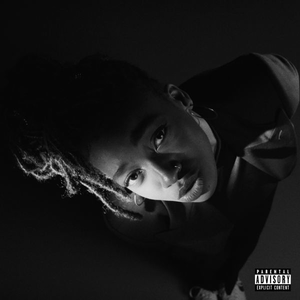
Grey Area: Little Simz

Representing the spaces between the blacks and whites in her life in the early 20’s, Little Simz’ Grey Area is an organic depiction of the questions and answers of a young woman figuring out things in her life.

The British MC’s third and most mature work to date, Grey Area is thorough, yet hollow, in a sense where the aesthetic of the album takes a few steps back from the current meta of music. Little Simz commented that the entirety of the album was recorded entirely without any samples and that may seem like a rare occurrence in today’s hip-hop; the composition of the album looks to be a combination of instruments and vocals, leading to a rudimentary, but slightly intoxicating sound where the listener can focus on the individual instruments and the voice of the now 26 year-old rapper.

Grey Area shows a… grey area in the life of Simbi Ajikawo. The album features no two alike songs, and most likely on purpose— the project was born out of the “if” and “what" of the English rapper’s step into adulthood, reflecting the confusion and the hypotheticals in the journey to growth.

Possibly one of the best hip-hop albums of 2019, and while British Grime albums such as slowthai’s Nothing Great About Britain and Psychodrama by Dave are very recognizable works (and I would recommend those as well), I personally thought Little Simz’ augmentation in her storytelling and rapping prowess earns her a spot among the top for the last year. Grey Area is bold— it’s lethal, concise, and striking, reminiscent of old school greats like Nas or Jay-Z. A surprising rise to greatness and definitely an underrated body of work, Little Simz’ Grey Area contains an air of relativity for artists and young adults living in today’s uncertainties.

Listen to Grey Area

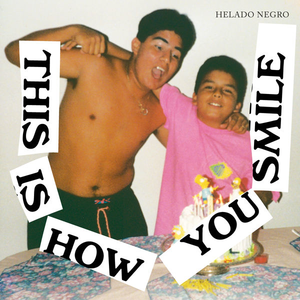
This Is How You Smile: Helado Negro

Helado_Negro_–_This_Is_How_You_Smile.png

Roberto Carlos Lange’s telltale perspective into his heritage, and his youth, This Is How You Smile is an ode to a culture, and its stories often overlooked.

The 6th album under the moniker Helado Negro and perhaps his most recognized record gets its title from a short story named Girl, along the lines “ this is how you smile to someone you don’t like too much; this is how you smile to someone you don’t like at all”, providing insight into the livelihood under immigrant parents and the joys and hardships that come with.

This Is How You Smile combines the stylings of Latin Folk with the usage of pianos, synths, and a number of tropical instrumentations to achieve a unique path of sound that carries a certain disposition towards a more island-based tone. Helado Negro’s album is lofty at its nature— seeming sacral at times through its duration, yet also contains more eerie and faint attitudes simultaneously. At 40 minutes of playtime, the gradual descent into a moodier and stagnant inflection creates a contrast through the dynamics of the album, This Is How You Smile is by no means exciting or dramatic, but the comparison between the first half of the album and the latter provides the listener with substantial change throughout the record.

While Helado Negro’s This Is How You Smile is not flashy or exhilarating, its unlikeness beckons an intrigue that swells to fascination.

Listen to This Is How You Smile

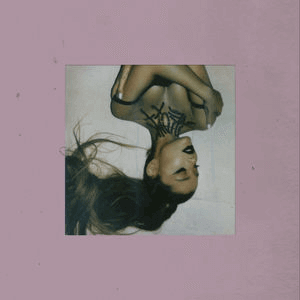
thank u, next: Arianna Grande
Thank_U,_Next_album_cover.png

From Nickelodeon actress to revealing some of her most intimate moments and her vulnerabilities, Arianna Grande is an artist who’s had more growth than most, both personally and musically.

Her earlier works, while holding a great deal of potential, felt a little juvenile and underdeveloped at times; the topical themes of her music and the sometimes-crude vocal demonstrations left a lot of room for improvements. thank u, next seems to show the evolution of Arianna in a way that gives her a clear-cut distinction from just a modern day Mariah Carey imitation— Her music is darker, more personal, and is seeping with callousness whilst being incredibly emotive. While my primary response to this album was impersonal at best, with more listens over time, Arianna Grande’s fifth studio album definitely registers as her best yet; high production values, significant improvements in pronunciation and vocality, and stability in genre as she taps into a trap based R&B realm feels appropriate for the mood of the entire album.

The attitude that the singer-actress takes in thank u, next takes is cavalier, yet delicate. Speaking out about her past experiences then finding a confidant in herself and bracing in herself, in her own egotistic mannerisms, Arianna abides in her maturity and growth over the year as she looks to the next page in her life.

Listen to thank u, next

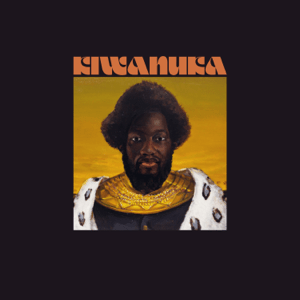
Kiwanuka: Michael Kiwanuka

English musician Michael Kiwanuka has had one of the quieter presences while maintaining a prolific status as a musician in the industry; the album Kiwanuka highlights the years of the artist’s growth and hardships into one body of work all the while paying respects to his inspirations. Evocative of the past and now, Michael Kiwanuka takes various pieces from 1960’s to present forms of music and creates a contemporary ballad to hear and feel.

Working with esteemed producers like Danger Mouse and Inflo, Kiwanuka tampers with the balance of both seemingly dated sounds and current elements of music. The drowned-out vocals and guitars, the quiet lone piano, the rhythmic and steady drums definitely add to the portrayal of passing years, Michael Kiwanuka also takes a plethora of thematic songwriting components and presents a timelessness in his musical poetry.

In what could be noted to be the height of Michael Kiwanuka’s career, the third studio album pretends to be an easy listen at first, but promptly dives into a heavy and despondent cry for mercy and helplessness fills the entirety of the album’s aesthetic. Sounding as if the music was recorded in an empty concert hall, the audible loneliness is perhaps accurately echoing the possible state of his mental.

Listen to Kiwanuka

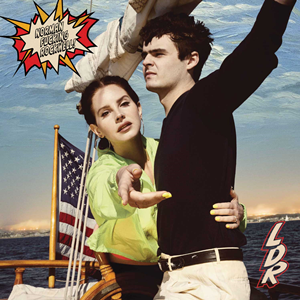
Norman Fucking Rockwell!: Lana Del Rey
I barely found LDR like, last year. I know.

Having said that, I feel like it was actually somewhat helpful and interesting in hindsight that I was so late in finding all of Lana’s work so late— seeing all the artists that she’s influenced and the gradual evolution in her early works to Norman Fucking Rockwell! made for an expedited listening experience which enabled me to compare and evaluate her discography in a non-temporal manner.

Norman Fucking Rockwell! is Lana’s best work.

A bold statement, however, in the 7 year span between Born to Die to NFR!, the American singer-songwriter Elizabeth Woolridge Grant really honed the edges of her blades and the elements in her music that was known as her best traits have become even more sharpened in her latest project. The dramatic wordplay, the grand nature of her thematic focus, and the cinematic sounds of her sounds are all arguably the most refined they have been in a Lana Del Rey album. The album is still filled with the good old LDR familiarities— the vain and cynical style of lyricism and the somewhat-helplessness of being a woman in love still persists. This idea was critically centralized upon, hence making for what reads to be Lana’s finest songwriting to date.

Noteworthy as all of the improvements and merits are, the argument against Lana Del Rey’s music still stands. While storytelling and emotional evocation is an obvious strength in Lana’s works, many critics claim that her music is rather drab or pitiable at worst. It probably is to be fair, but honestly by this point that should be an apparent part of her music, and even past such conjectures NFR! does have a decent range of dynamics in the album so…

In saying all of this, Norman Fucking Rockwell! is a beautifully ironic album that possibly contends for the title of the year’s best album.

Listen to Norman Fucking Rockwell


Charli: Charli XCX

Charli_XCX_-_Charli.png

Pop music may not be as mainstream as it once was, and a plausible explanation behind the digression of the once dominant genre is probably explained best by the rise of the sub-genres and delineations of specific forms of music.

With the elevated incorporation of technology in music, it was inevitable that more electronic ingredients would be supplemented into all types of music. In Charli, pop music was remodeled and transmuted into something categorized as hyper pop— containing heavy EDM and electronic influences, and increasing tempo, focusing less on individual melodies and overloading all of them at once.

The realm of hyper pop and electro pop, being infantile in the comprehensive view of music as a whole, is shaped by the trajectories of a collective of artists, and Charli XCX is a tremendous contribution in part. Charli takes preformed views of music and clashes an abundance of sounds to forge a unique product. While the outcomes may feel a little crude or unfamiliar, the process is one to respect. The balance between songwriting and production is undeniably commendable, and the evolution of Charli XCX’s works are absurdly energetic. All of Charli’s output is invitingly paired with a diverse array of features, making Charli’s Charli a Next Level Charli project.

Listen to Charli


All My Heroes Are Cornballs

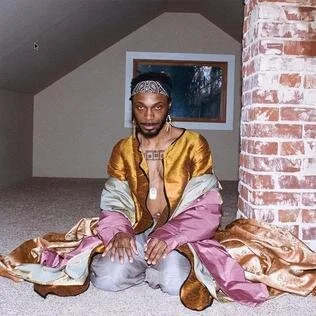
Jpegmafia_AMHAC_1.jpg

And pop music is obviously not the only genre being put through the experimental stages, and JPEGMAFIA is one of the most successful experimental rappers at the moment. All My Heroes Are Cornballs is filled with avant-garde approaches that combines a riot of sounds and creates an amicable wall of sound, and the most impressive part of it all might be how seemingly contained the entire album is.

JPEGMAFIA is one interesting dude, the irony of his music is unmistakable, with the project seeping with memes and internet slang, one would probably wonder how an individual puts an album like this together. Which is a really valid question because within the whole mess under this album, there is so much minute detail embedded in All My Heroes Are Cornballs. Sampled and recorded vocals, the underlying synths, abrupt eruptions of adlibs and inserts, the musically sound progressions of chords and harmonies, and the adhesion of all the aforementioned pieces come together in a nearly accidental degree; which is really the genius behind this album. it’s crazy.

All My Heroes Are Cornballs is largely comprised of hip-hop, R&B, pop, punk, and a bunch of other things in between. The intricate balance of the genres and the individual production qualities make listening particularly animated and almost requires a meditative level of active listening if the listener really wants to observe the immensity of the intricate design in which JPEGMAFIA’s very own Frankenstein’s monster is brought to life. Filled with moments that come across as unsolicited shouting to declining into lyrics that might warrant social contemplation, all of this is just a game of musical hopscotch without any boxes.

Listen to All My Heroes Are Cornballs


1000 gecs: 100 gecs

1000_gec_album.jpg

The musical equivalent to the film The Room or Sharknado?

At this point I’ve listened to 1000 gecs about 4 or 5 times, and I still can’t tell if it’s good or bad.

It may be so bad that it’s good? or the vice versa?

No album has made me reflect about my existence more than this album.

This is the evolution of music boiiis.

But in all honesty, it’s actually a really fun listen, past all the third-rate humor and bursts of vulgarity, there’s an air of straightforwardness and solidarity(?) throughout the album. I really can’t explain this album without having you listen to it first, lol message me or something afterwards, we can all contemplate this album together.

Listen to 1000 gecs

Other Albums that are either some of my personal favorites or ones that I’ve already written about:

ZUU: Denzel Curry- South Florida’s own lyrical heavyweight, Denzel Curry probably has one of the most slept on rap recognition and one of the most slept on albums of 2019.

Listen to ZUU

Hot Pink: Doja Cat

This album makes this list purely because of the viral rise of Doja Cat. Thanks Tik Tok.

Listen to Hot Pink

The Lost Boy: YBN Cordae

YBN Cordae maybe a rookie in the game, but his lyrics and style are definitely a cut above the rest. The Lost Boy is simple— a balance between adhering to the old school swagger with a touch of modern vigor and spirit.

Listen to The Lost Boy

When I Get Home: Solange

How is this family this gifted musically? Solange and Beyoncé obviously have different styles when it comes to music, but the younger sister isn’t running behind in any manner.

Listen to When I Get Home

Fine Line: Harry Styles

Yes, yes, a Harry Styles album. It’s actually probably one of the better pop albums of the year and also has some really solid moments throughout the album.

Listen to Fine Line

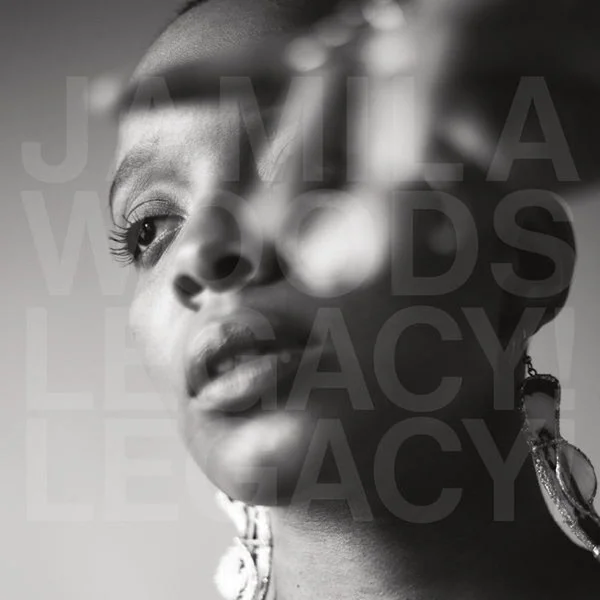
LEGACY! LEGACY!: Jamila Woods

Probably my personal favorite album from 2019. Jamila’s vocals prowess and the artistry that goes into this album is immaculate.

Link to my post about LEGACY! LEGACY!

IGOR: Tyler, The Creator

Tyler’s latest and possibly the most polarizing album, it’s still technically and thematically sound. There were fan-made posters and street art of this album everywhere in Europe around the time of its release, such a loyal fanbase.

Link to my post about IGOR

When We All Fall Asleep, Where Do We Go?: Billie Eilish

Billie is a surprisingly good writer, and the production by FINNEAS is above passing. An immense follow-up to Billie’s early rise to stardom, the debut album is deeper and better than most had imagined it would be.

Link to my post about When We All Fall Asleep, Where Do We Go?

-

If you made it this far and took the time to read all my thoughts and opinions, I want to say thank you.

It’s been pretty hard to stay motivated and dedicated sometimes, but it has been really fun (and really hard) listening to and writing about all these wonderful projects and I hope you do too, I will be back soon with more content in the near future. See you soon.

Thank you,

Always.

Erik K.
Decade in Review: Best Albums of 2010's

1/27/20

5:15PM


Seeing as the decade has come to an end, I figured it would only be appropriate to welcome the 2020’s by making a list of my personal favorite and what I thought to be some of the most influential and well made albums of these past ten years.

2010’s music made a lot of strives and shifted music in the sense of what has become, how it circulates, and even the culture surrounding the artform. Having said that, I made a fairly subjective list of some works that I felt was integral to the music scene as a whole, and some albums that I just really enjoyed as well (I felt that I may have left some projects out and such, ergo I am also including albums and projects that may be similar to the following albums that may be worth listening to).

Let’s get started.


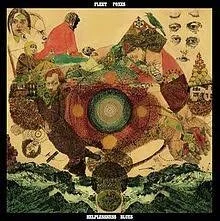
Helplessness Blues: Fleet Foxes (2011)

Bringing in a piece of work that combines multitudes of complexities crafted from vocals, guitars, harmonies, bells, and percussive elements, Fleet Foxes’ Helplessness Blues seem to represent a lot of questions that one might have in their early adolescence in forms that seem not only universal, but oddly just as specific.

The overall aesthetic and sound of this album relies heavily on the myriad of instruments and styles that resemble an “almost gypsy” feel while incorporating a harmonic atmosphere to the folk rock genre. Combined with the intricate songwriting which add to the intrinsic nature of the work. The album has a nicely subtle balance between sound dynamics, and does an excellent job on keeping the listener engaged and busy, whilst providing a fairly easy listen to the passing person as well.

Listen to Helplessness Blues

Also listen to:

The Idler Wheel… : Fiona Apple (2012)

Two Hands: Big Thief (2019)


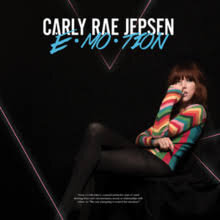
Emotion: Carly Rae Jepsen (2015)

Carly Rae Jepsen is almost exclusively known for her meme-ish single that was released in 2012, but the Canadian singer came back making waves in the indie pop scene in a way that compacts and cherishes pop music in a way that seems bring back the last thirty years of the genre.

Jepsen took a personal endeavor to this album by approaching A&R efforts herself, seeking artists and producers to collaborate with largely by herself, and the result was a body of work that places the listener through the nostalgic synth-pop influenced, yet very modern day album that is Emotion.

While breaking away from the idea of becoming a one hit wonder artist, Carly Rae Jepsen’s Emotion brings genuine song writing, extremely detailed production, and a culmination of what seems to be some of the best elements of pop music from the 80’s to the early 2010’s. Drawing from styles of city-pop— A genre popularized in Japan during the late 70’s— and working with retro instrumentation, popular songwriting topics in the 1980’s and storytelling that is reminiscent of pop stars of that era, all within the innovations of mid 2010’s setting earned Carly Rae Jepsen remarkable notes from critics and fans both.

Listen to Emotion

Also listen to:

1989: Taylor Swift (2014)

Body Talk: Robyn (2010)


American Football (LP3): American Football

download (1).jpeg

Intricate and nostalgic, After LP2, which broke a seventeen-year hiatus, American Football’s LP3 marks the third project to be released by the band, which spans across the timeline from 1999 to 2019.

The album’s hyper sensitive and evocative nature seems to bring out some reflective lyrics that takes a huge swing to the author’s life. The melodic flow of the album paired with the songwriting brings an almost “expired” feel to the work, and while this is immediately noticeable, the production is interesting enough to captivate listeners in a strangely quaint manner.

The emo aspect of LP3, the seemingly fitting yet odd artist features, and the sobering tone that is brought out by Kinsella in his journey toward mid-life shows that we all do grow up eventually; leaving things behind in a timely fashion, and while we are becoming accustomed to these losses, insights about our pasts are motivations enough to accept the days ahead.

Listen to American Football (LP3)

Also Listen to:

The Monitor: Titus Andronicus (2010)

Kaputt: Destroyer (2011)

Chon: Chon (2019)


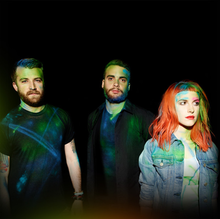
Paramore: Paramore (2013)

An album that seems really appropriate for the band’s metamorphosis. While the departure of the founding band members Josh and Zac Farro changed the aesthetics and the energy of the band, saying that the alteration was necessarily a negative would be misguided.

In making this project, the evolution of Paramore included a cross-genre incorporation in their musical performance, the direction of songwriting which seemed to break away from the niche of punk stereotypes while keeping in touch with subjects that still line up with the core values of the initial essence, and ultimately the stabilization and improvements in Hayley William’s vocals— an leading element in Paramore’s character.

Paramore’s self-titled album arguably reeled in their biggest commercial success in tracks like “Ain’t It Fun” and “Still Into You”; emphasizing the re-structure of the band’s sound and taking in a plethora of influences from many mainstream genres. If what they lost was the pure emo/ punk-rock energy, Paramore fills the gap by producing an ostensibly more complete album of rock music that is catered toward a general audience.

Listen to Paramore (Deluxe Edition)

Also Listen to:

When You’re Through Thinking, Say Yes: Yellowcard (2011)

Neighborhoods: Blink-182 (2011)


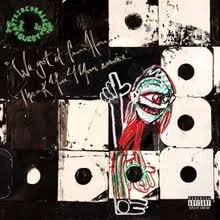
We got it from Here… Thank You 4 Your Service: A Tribe Called Quest (2016)

download (2).jpeg

A curtain call… in so many different ways that celebrates so much for the Tribe. The life of Phife Dawg, the progress of music, the journey of Q-Tip, Phife, Ali, and Jaorbi, Artists that carry on the legacy of A Tribe Called Quest, and the generations of music that they have fostered are only a few things that this album symbolizes.

The East Coast jazz rap smooth factor is met by the cacophony of political frictions, creating a relevancy that surpasses music and form. The ever futuristic nature of the group is still visible, providing a platform for boundaries to be pushed and challenging significance of media while delivering musical substance is something many have come to expected from the collaborative efforts of A Tribe called Quest. Their trademark jazz influenced hip-hop still finds place in production as it did since the 90’s and creates a sentiment and a refreshing note to the listener as the quality and quantity of the Tribe is still just as prevalent today.

We got it from Here… Thank You 4 Your Service marked the end of a journey for a rap group who influenced music, culture, and a numerous amount of artists with their legacy, it also served as a project that allowed A Tribe Called Quest to pass the torch to the newer generation by working with them and including individual artists in their last album as the curtains of their very own artistic careers closed. The late Phife Dawg, chose the title for the album, and although the meaning of the title is unbeknownst to the other members of A Tribe Called Quest, it seems oddly fitting.

Thank you for your service Tribe.

Listen to We got it from Here… Thank You 4 Your Service

Also listen to:

4:44: Jay-Z (2017)

Tetsuo & Youth: Lupe Fiasco (2015)

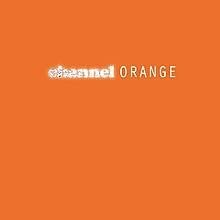
channel ORANGE: Frank Ocean (2012)

download (3).jpeg

Frank Ocean’s rise to superstardom can be traced back to the meteoric success of his second studio album Blonde, but the project placed the American singer & songwriter on the radar of both fans and critics was Ocean’s debut studio album channel ORANGE, where his bittersweet sentiments are unraveled to listeners in a way that seemed both untried, yet familiar.

The early 2010’s music scene was foregoing a shift of music as more traditional and stereotypical forms of music were tested and experimental factors were being flooded by new waves of artists from the advancement of the internet. One particular group that helped instigate this movement was Odd Future— a collective of artists that caught the attention of media outlets by rejecting societal norms that were placed onto them, rebelling against preconceived standard notions, and experimenting with multitudes of existing styles to present unique styles in their individual works. While Frank was a pivotal member of Odd Future, his introspective and reserved persona bypassed the more cynical nature of his group, but his blending of multi-dimensional influences like hip-hop, soul, funk, jazz, electro, and psychedelic in channel ORANGE gave way to creating a meta within music that influenced a great deal of artists that followed.

While channel ORANGE may not be Frank Ocean’s best work, the more reflective elements of his life revealed through this album which centralizes on his intimate memories of experiencing young love, contemplation in sincere narratives, and the engagement on the idea of duality through genuine emotions and the indulgence in the vain such as drugs, sex, and the cheap factors of life; proving perhaps to be the most critical point of his career in who he is as an artist and as a human.

Listen to channel ORANGE

Also listen to:

Blonde: Frank Ocean (2016)

Ology: Galant (2016)

American Teen: Khalid (2017)

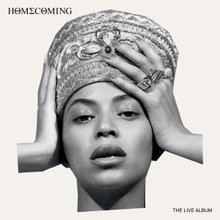
Homecoming: The Live Album: Beyoncé (2019)

When you’ve been prevalent in the game for over twenty years, you’re bound to have some gold in your discography, and you should also know that you’re doing right. Beyoncé has been regarded now for some time as Queen B, and Homecoming: The Live Album seems like a flash of hits from the long-lived career of one of the most successful artists of all time.

Recorded during Coachella’s headlining acts, the album plays through a live recording of the performance— kicked off by a triumphant marching band intro and met with the roars of the present crowd, the listener is placed within the energy of possibly the greatest stage in the modern world. The track listing is comprised of a near two-hour, non-stop run of possibly the greatest display of music, dance, and a homage to a culture; Some of Beyoncé’s most prominent works were highlighted with the accompaniment of her husband Jay-Z, Solange, and roughly 100 dancers, earning the celebration of fans reveling in a historic pageantry of black culture and history. Topped off with the vocal capabilities of the veteran singer, Homecoming just feel like a fool-proof body of work.

You might need some boosted bass for listening.

Listen to Homecoming: The Live Album

Also listen to:

Lemonade: Beyoncé (2016)

Beyoncé: Beyoncé (2014)

A Seat at the Table: Solange (2016)

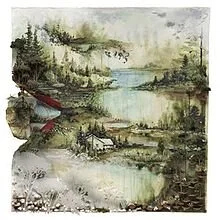
Bon Iver: Bon Iver (2011)

Bon_iver.jpg

The musician for musicians, the beautifully jumbled up mind of Justin Vernon more famously known as Bon Iver’s self-titled album seems like a turning point for not only his discography, but also for contemporary music in its totality.

If one was to begin diving into the ever so inventive and avant-garde stylings of Bon Iver, many would start by listening to his earlier and more recognizable tracks like “Skinny Love” or even “Re: Stacks” in which simplicity is glorified as hollowness and deep yearning. However, as we start to draw nearer to his present works, the tracks become extremely complicated and almost illegible in nature. In the nine years between Bon Iver’s debut album For Emma, Forever Ago and 22, A Million, the arcane artist and the madman Justin Vernon is almost two in identity; transitioning from a familiar sound of indie folk to the creation of celestial folk— a subgenre of music that may only exist in trying to identify the experimental sound of Vernon.

Bon Iver’s self-titled album, lies near the median of that spectrum, placing those heavenly and divine tones into a traditional folk background to find the equilibrium in pure and phantasmal. A play between nothingness and the whole, the album represents being; each song is attributed to a physical location. Many of the songs point to a place of importance in Justin Vernon’s life: A place in which his deceased friend was born, where his parents met, where he grew up, and many more personal places.

“Holocene' is a bar in Portland, Oregon, but it’s also the name of a geologic era, an epoch if you will. It’s a good example of how all the songs are all meant to come together as this idea that places are times and people are places and times are… people?”

Listen to Bon Iver


Also listen to:

22, A Million: Bon Iver (2016)

Birthplace: Novo Amor (2018)

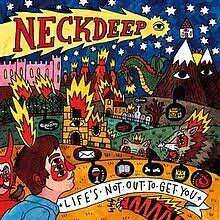
Life’s Not Out to Get You: Neck Deep (2015)

In an era where the pop-punk genre has become somewhat outdated and can be seen as a past thrall in our years of youth, The Welsh pop punk band Neck Deep comes out with a timeless work in Life’s Not Out to Get You.

Following up with the band’s successful debut project, Neck Deep guides the momentum and adds to the swing of things. The band members, committing fully on to music and signing to a label, begin to zero in towards a product that edifies the genre, all while keeping true to their sound and polishing individual talents. The result is incredibly reminiscent of the early 2000’s punk scene, but rather than sounding dated or archaic, each track seems to be appropriate to the advancements in music, and is something that might be hard to come across in recent projects due to bands commercializing their sound or lingering on melodically tired formulas.

Neck Deep’s evolution was multifaceted as well, vocals, instrumentation, compositional content, songwriting and entire aesthetic saw leaps and strides as the band was able to spend more time in making music. In ad era where pop music is dominated by hip-hop influences rather than rock, this album is definitely a lively change of pace to kick up some of your roots.

Listen to Life’s Not Out to Get You

Also listen to:

The Finer Things: State Champs (2013)

What You Don’t See: The Story So Far (2013)


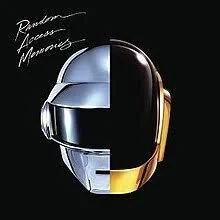
Random Access Memories: Daft Punk (2013)

One of the most influential artists in music, and one of their most influential albums.

Daft Punk has been a huge impact for many artists by venturing into the mechanical components of music— digitally producing, sampling, recording, and creating music was something that the French musicians Thomas Bangalter and Guy-Manuel de Homem-Christo helped culminate. Daft Punk was also revolutionary in their sense of combining unlikely genres of music to make for a unique sound that broke ground for the direction of music; fusing elements of house, funk, disco, techno, rock, and pop among many other genres, the electronic genres began to take shape.

Random Access Memories, while still very much a Daft Punk album, took to a more human aspect, replacing the usage of sampling with the addition of live musicians. Wanting to find more structural base in actual people and organic ingredients, the duo sought out collaborations with some of music’s best.From Pharrell Williams to The Stroke’s lead singer, Julian Casablancas, Nile Gregory Jr. to the Father of Disco, Giorgio Moroder, the star studded cast of featured artists attributes to possibly one of the most carefully created albums in the last few decades.

Listen to Random Access Memories

Also listen to:

Settle: Disclosure (2014)

Funk Wav Bounces Vol.1: Calvin Harris (2017)

The Bones of What You Believe: CHVRCHES (2013)

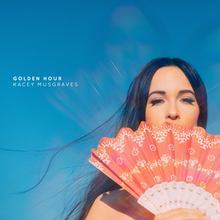
Golden Hour: Kacey Musgraves (2018)

Seems new, but really isn’t; but 2018’s Kacey Musgraves seems like a different person when inspecting her perspective carefully. Describing her current state of life to resemble the golden hour of the day, the eclectic country artist presents a change of pace in her “cosmic country” spin to a her personal experiences of love and heartbreak.

Golden Hour swept the 2018 music awards in a range of categories— 4 Grammy’s, including a recognition for the best album of the year, Country Music Award’s best album of the year, and the same award for Apple Music. Such high praises seem almost excessive, but the easy, yet deep nature of the album’s songwriting stays true to characteristics of Americana Country while backed by Kacey’s inclusion of unlikely complements of electronic instrumentation, usage of funky beats, and vocal modifications.

In the singer’s third studio album, Kacey Musgrave’s somber and cynical tone throughout her career is replaced with a more dazzling and comforting outlook on things; Golden Hour feels like greeting sunrise or a sunset— warm, sincere, and euphoric, all while keeping the listener grounded to reality.

Listen to Golden Hour

Also listen to:

Born and Raised: John Mayer (2012)

Red: Taylor Swift (2012)

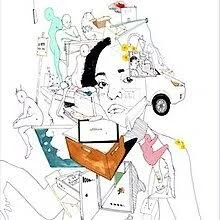
Room 25: Noname (2018)

download (7).jpeg

The latter half of 2010’s were dominated by music characterized by electronic elements in composition— synths, 808’s, pitched samples, overproduced instrumentals, and modifications to the more organic components were prevalent in genres like rap, pop, and other mainstream forms. Noname’s official debut album reversifies the present state of music into a complex, yet old-fashioned aesthetic.

Noname could be presented as a rapper, but would be better identified as a poet. Room 25 was recorded in roughly around a month, and out of financial necessity, adding a hint of irony to a seemingly artistic and personal album in which the Chicago native independent artist extrapolates on her maturity in moving to LA, encountering sex, and her experience in doing music.

As the follow up project to her largely successful Telefone mixtape, Room 25 was met for even higher remarks, showing the progression in Noname’s life which she compares to a transition from PG to R in terms of content. The syncopated and rhythmic elements of her tracks are met with a soothing constant through her rapping, which is more effectively described as spoken-word. The lyrical nature of her songs resemble poems or written narratives in servings of musical verses, making this album paint an audible masterpiece for both easy and attentive listening.

Listen to Room 25

Also listen to:

Ctrl: SZA (2017)

CARE FOR ME: Saba (2018)

Legacy! Legacy!: Jamila Woods (2019)

A Crow Looked at Me: Mount Eerie (2017)

The most emotional album in this list.

An album in which the writer talks about the death of his wife, losing her to cancer, living without her, remembering, raising their infant daughter, and every other excruciating detail in between.

In what the author Phil Elverum labels as “barely music”, the listener is immersed in his sadness as well. Death, an overlooked element in many artforms, is made painstakingly real in this album, genuinely. A Crow Looked at Me, made with the late Genviève Castrée (Elverum)’s instruments and equipment, is a reminder of mortality in the face of the living, and accounts to a perspective of a widowed husband and a father.

Through all of this, Phil Elverum creates something akin to written reports of his emotions and recollections; in doing so, he finds things to actively notice, so that he can remember his beloved.

Listen to A Crow Looked at Me


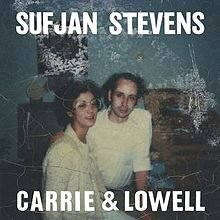
Carrie & Lowell: Sufjan Stevens (2015)

Another album thematically rooted in death, Sufjan Stevens’ recollections of his faint relationship with his mother who’d left at 1 is beautifully recorded into a mystical and perplexing beauty of an album.

Carrie & Lowell, titled after the authors mother and stepfather, includes numerous intricate and obscure references and lyrics that add to a layer of questioning and possibly creates an allusion of his relationship with his ailing mother. Austere in character, the album has multitudes of advertence toward Greek and Biblical details, further masking his direct feeling and thought to the complexities of his familial relations.

Stevens wrote and recorded the album as a means to cope with the death of his mother and his stepfather, to whom he had a more fatherly bond with, finding inspiration in both their lives and passing. Coming back to the more cautionary, yet peaceful aesthetic, Carrie & Lowell necessitates a deeper analysis and benefits greatly from some context from the author; in an interview with Pitchfork, Sufjan Stevens descends into greater details about his family and his childhood.

Read Sufjan Stevens’ interview with Pitchfork

Listen to Carrie & Lowell


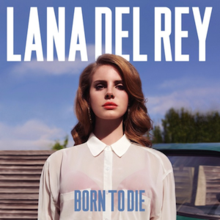
Born To Die: Lana Del Rey (2012)

220px-BornToDieAlbumCover.png

If there was a way to engage in a cinematic experience within the scope of music, Lana Del Rey does an excellent job in placing the listeners through an apparent narrative through her songs. Evocative of the old fashioned Americana, Born to Die contrasts the harsh thematic influences of 1950’s films to contemporary music components.

Using strings and orchestral elements to achieve a more grand and cinematic atmosphere, Lana Del Rey jumps between an almost drab tone of singing to a bewitching voice effortlessly, seducing listeners to an intoxicating trance. Appropriate to the movie-like essence of the work, the lyrics are often apropos of money, love, sex, and grandeur.

The distinctive features that separate this album from its alternative/ indie-pop equivalences in similar timeframes include Lana’s unique deep pitch in singing and the mainstream introduction to trippy and sad aesthetics to classical influences to make for a particular rarity that helped characterize a subgenre which became a trend for artists in following years; earning Lana Del Rey a cult following for her success in gaining popularity in the early 2010’s with singles like “Summertime Sadness” and “Video Games”.

Listen to Born to Die


Also listen to:

21: Adele (2011)

Melodrama: Lorde (2017)

WHEN WE ALL FALL ASLEEP, WHERE DO WE GO?: Bille Eilish (2019)

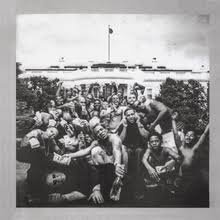
To Pimp a Butterfly: Kendrick Lamar (2015)

Kendrick Lamar has been dubbed as the best rapper in the game for some time now in the eyes of many critics and fans alike, and that idea probably gained a lot of momentum from the Compton native’s third official studio album under his moniker and the second under a major label.

Lyrical finesse, provocative flows, dexterity in his articulation, unconventional rap beats, and the notorious “Control” feature verse— these are just a few things that K-Dot’s got on his utility belt as far as rapping goes, but a particularity of Kendrick that took him to the peak of the rap game may be his ability to back up every single word that he declares. From calling out his peers in the industry, to sniping down political topics and racial issues, Kendrick Lamar deftly combines the many personalities of himself and his demons in To Pimp a Butterfly to organize a body of work that seems to cover a vast number of observations in his world.

The cohesion in the record is strengthen by the continued usage of the phrase “I remember you was conflicted. Misusing your influence…”, a fragment of a poem in which Kendrick matches segments of the poetic lines to each song and memory. To Pimp a Butterfly has so many layers in meaning and on the surface; on the musical side, the unorthodoxy of laying down jazz and funk beats in a mainstream setting and including verses of spoken word and poems set Kendrick Lamar apart from majority of other content being released at that time. Thematically, the narrative of the album served to strengthen and remind the black man, to advise each person- listening and reading- to remind themselves of their own mortality, and how that mortality can and should guide one’s life decisions. Giving many references to historic accounts and figures and adding his commentary and viewpoints, Kendrick Lamar’s To Pimp a Butterfly is often regarded as a musical, cultural, and historical trophy in multiple aspects.

Listen to To Pimp a Butterfly

Also listen to:

Summertime ‘06: Vince Staples (2016)

Born Sinner: J. Cole (2013)

The Sun’s Tirade: Isaiah Rashad (2016)

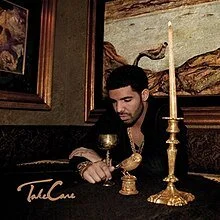
Take Care: Drake (2011)

220px-Drake_-_Take_Care_cover.jpg

If Kendrick Lamar showed you the realistic and critical disposition of life, Drake provides a perspective of life in an emotional and intoxicating approach. In a way, there is a lot of similarities to Drake and Kendrick, constructed however, as polar opposites. If the young Aubrey Graham received his heartaches from the fractures of being placed in a fatherless household in the suburbs of Toronto, Kendrick’s survival in Compton reflect the nature of the two artists’ paths.

In the case of Drake, his struggle doesn’t comprise of gang violence, drug addiction, or death, but rather comes from the pursuit of success and emotional void. Seeking proof of worth and confirmation, the young Canadian actor turned musician’s success is laid bare in Take Care— a turning point and defining moment in the artist’s forthcoming decorated career, Drake is disguised as both boastful and bleeding from the weight of his rise to fame.

Take Care cemented Drake’s persona as emotive and “in my feelings”, and the capitalization of that image has won the hyphenated artist a plethora of awards and chartered a near unrivaled commercial success. The model in which the themes of Take Care include have been analyzed in order to formularize the flagship OVO sound that can be identified by the dark, sensory, and evocative styles that stem from existential and hollow attributes in the life of an artist known as Drake; to which the listener is left wondering— Is this the real Drake? Or has that man died to himself only to be reborn as a simple desire for success?

Listen to Take Care

Also listen to:

T R A P S O U L: Bryson Tiller (2015)

Trilogy: The Weeknd (2012)

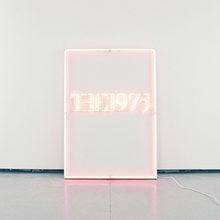
I Like It When You Sleep, for You Are So Beautiful Yet So Unaware of It: The 1975 (2016)

The_1975_-_I_Like_It_When_You_Sleep,_for_You_Are_So_Beautiful_Yet_So_Unaware_of_It.png

Since the formation of English Alt Rock band The 1975, The band has always been accompanied by the support of their cult following and fans, and while the musical allure of the band is a large part of their draw, the image of the band and their character was something that drew a lot of attention; the slacker attitudes, the drug-obsessive, the charm of a British boy band that does little to hide their accents and dialects, and the face of their group-Matt Healy, who perfectly fit all the above descriptions.

Graduating from some of public criticisms of their earlier and premature works The 1975 returns to the alternative pop rock with some flair to add to the aesthetics, sound, and the account of their growth both as a band and as individuals.

The band’s second studio album seems to replace the grungy and inebriated tones into bright and rosy melodies, while staying true to themselves. The fun, dreamlike synth-wave pop sound is something that The 1975 can be distinguished by. Evolving from their debut album, I Like It When You Sleep… refines the duality of The 1975’s music- between frivolities and sincerity- finding a perfect balance that makes the lightly humored but not lacking substance in content. Veering away from plausible negative influences, the band suddenly finds itself coming to a level of maturation and development in their product, reaching a level of stardom that stemmed from intricate and innovative applications in their music.

Listen to I Like It When You Sleep, for You Are So Beautiful Yet So Unaware of It

Also listen to:

The 1975: The 1975 (2013)

After Laughter: Paramore (2017)

Modern Vampires of the City: Vampire Weekend (2013)


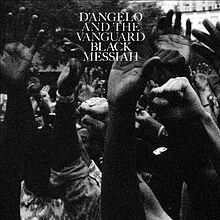
Black Messiah: D’Angelo and the Vanguard (2014)

The album Black Messiah shows a lot of credit to some of music’s best individuals— virtuosos in the industry such as Questlove, Pino Palladino, Isaiah Sharkey, and late Roy Hargrove are involved in D’Angelo’s long awaited return project, Black Messiah.

The product of many great artists coming together to collaborate on a fusion of jazz, soul, funk, rock, and R&B influences, Black Messiah is a masterwork of the experimental neo-soul genre bending. While D’Angelo saw much success earlier in his career, complications that arose from his branding and tough losses led him to a time of personal struggles, after fourteen long years of hiatus, the man once named to be the next Marvin Gaye returns with a message regarding the current state of affairs in the US. From rejecting the idea of a whitewashed imagery of Christ, to declaring the hardships of living as a black person and what that means in today’s society, Black Messiah seems to hit just about all the marks that the songs intended to.

Besides a hyper relevant message in the record, D’Angelo’s involvement and contributions to earlier decades of music is professionally displayed; Having worked with some of the all time greats like Erykah Badu, Lauryn Hill, and Kamaal Ibn John Fareed, more commonly known as Q-Tip, Black Messiah is overflowing with technical proficiency. The styles of music that come together in this album seem dated and even murky at times, but upon a closer examination, intricate details and complex standards are hitting the listener every second, creating a compelling atmosphere for a story that needed to be heard.

Listen to Black Messiah

Also listen to:

Drunk: Thundercat (2017)

Malibu: Anderson .Paak (2016)

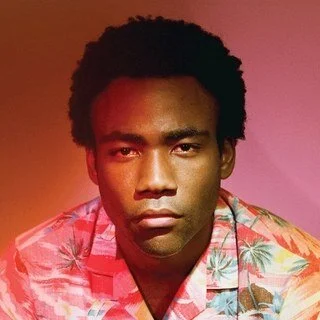
Because of the Internet: Childish Gambino (2013)

a61ee51a (1).jpg

As far as conceptual albums go, Because of the Internet may be one of the most relevant to have dropped in its contemporary setting.

Donald Glover: actor, comedian, writer, producer, director, and musician, you’d rarely find people with more talent or even just as much. The young entertainer’s second studio album and the one responsible for a majority of his notoriety was loosely based on the idea around the internet, and the relation of self and the worldwide web. Written as if the album was a film, the listener is able to experience a chronology of which multiple layers of a life deeply engaged in social media- almost to the degree where one finds him/herself devoured by it- is constructed through references of viral episodes, memes, and pop culture references that were both evident and subtle. Because of the Internet becomes more impressive when considering the fact that noticing obvious details about a particular objectivity can be ironically difficult; and the album itself is built on the foundation of irony and satire.

Like the multifaceted factor of its author, Because of the Internet is comprised of many surfaces of many different things— Hip-hop, yet Glover’s vocal hooks and other major and minor components of the album seem so far away from traditional attributes of the genre. The mixture of commercial and artistic, serious and sarcastic, happy and sad, make up the temperamental face of this album which only goes further in characterizing this tool we now know as the internet, is Gambino annoyed, content, indifferent, or conformal? Google it.

Listen to Because of the Internet

Also listen to:

Acid Rap: Chance the Rapper (2013)

Flower Boy: Tyler, the Creator (2017)

SATURATION III: BROCKHAMPTON (2017)

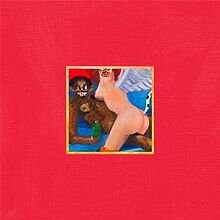
My Beautiful Dark Twisted Fantasy: Kanye West (2010)

I really didn’t mean to save this for last, and it’s not because I think that this album is THE best album of 2010’s, but if somebody told me that it was, I wouldn’t disagree.

In 2008, Malcolm Gladwell proposed the 10,000 hour rule— a thesis that in order to achieve complete mastery of a skill or study, you must first spend 10,000 hours in practice and perfecting it. Kanye claims that he spent 5,000 hours on writing “POWER”, it wouldn’t be out of line to assume that the perfecting of Kanye’s magnum opus My Beautiful Dark Twisted Fantasy clocked in a rough proximity to Gladwell’s proposition of proficiency.

My Beautiful Dark Twisted Fantasy mirrors its creator almost perfectly- clear, straight to the point, dark, arrogant, vain, and grand— so grand. Kanye’s escape of reality traps him in a factory of madness in which the Chicago rapper-producer mad genius gives birth to something that encompasses all of his past works, possibly surpassing each project; the outcome is arguably the single greatest musical project in history. The encapsulation of Kanye’s entire discography to date is demonstrated, his talent for producing and creating as well. All the strengths of this album are reinforced by a wealthy cast of featured artists including Jay-Z, Bon Iver, Kid Cudi, John Legend, Raekwon, Nicki Minaj, and many others, containing some of the best verses in the latter artist’s career. (Nicki Minaj, Monster)

Past all the troubles caused by Kanye’s belligerence and acting out, My Beautiful Dark Twisted Fantasy is timeless; even after a whole decade, the production and the amount of detail, as well as the innovative qualities of the flamboyant extraordinaire seem ahead of its time, A true piece of work, even accompanied by a bizarre, aptly paired film which spans the majority of the album across its viewing.

Watch the short film Runaway

Listen to My Beautiful Dark Twisted Fantasy

Also listen to:

DAYTONA: Pusha T (2018)

Watch the Throne: Jay-Z, Kanye West (2011)

Albums not mentioned in the list, but still praiseworthy:

The 20/20 Experience: Justin Timberlake (2013)

AM: Artic Monkeys (2013)

Freudian: Daniel Caesar (2017)

Dirty Computer: Janelle Monáe (2018)

Love, Pt. 1 & 2: Angels & Airwaves (2011)

Run the Jewels 3: Run the Jewels (2016)

DiCaprio 2: J.I.D. (2018)

Wasting Light: Foo Fighters (2011)

Village: Jacob Banks (2018)

Culture: Migos (2017)

Hozier: Hozier (2014)

The Suburbs: Arcade Fire (2010)

A Song For Every Moon: Bruno Major (2017)

…And obviously I may have left out some albums that may be needed in this list, but compacting a 10-year’s worth of music in a matter of three or four months is really hard… So if you feel that I may have missed an album or a project in particular, let me know!

…And also if you’re reading this, I would like to let you know that I really appreciate your time and attention. I promise I will continue to come up with better content and more often too. Here’s to another good year (and decade) of music, friends.

Thank you,

Always.

Erik.

JESUS IS KING: Kanye West

10/29/19

5:05 PM

Yup, It’s finally here— post on Kanye.

So is a new album by Kanye, after putting many of his fans and critics through an arduous hold, Yeezy returns with his self-proclaimed full gospel album, JESUS IS KING.

-

Past all of the publicity stunts, the controversies, and the widespread contempt for Mr. West, it would be shortsighted to discredit the influence he has in the arts; his success in music, fashion, and business are aspects of his career that can’t be ignored, and hence his presence in the music industry is one of the most accredited and authoritative in his field. Taking these factors into his latest work, which received many questions and went through many scopes of inspection and analysis, I’m still a little iffy on how I feel about the album JESUS IS KING. So in order to further score and review this album, I chose to break down Kanye’s new work rooted in his recent transformation as a newborn Christian, in simply accounting for the pros and cons in this gospel driven project.

Starting with the pros, Kanye’s masterful utilization of the human voice is displayed. With the usage of a number of features as well as sampling and production techniques paired with the inclusion of the Sunday Service Choir, Ye fully encompasses his trademark “Soul beat” element into the gospel driven tracks, which is extremely appropriate for the genre. The production in itself holds up to the Kanye West standard— carefully constructed, rich, crisp, and advanced in itself, the layers that make up the background and the foreground both prove to be high quality and fitting to his artistry. The instrumentation on many of the tracks elevate the gospel feel of the work as well, using traditional gospel sounds and meshing them with other contemporary and modern components, creates for a harmonic cacophony between grand, intricate, and futuristic tones with a deconstructed, desert, and bare-bones inflection. The music aside, the auxiliary topic for this album is Kanye’s change of face to his Christian identity; which seems to be truthful and genuine to an ostensible degree— providing a reassurance to his additional controversial nature, but still fairly impressive for a character of his personage to uphold, given his past and image.

The cons, however seem to be correlated with most of the advantages found throughout the album as well. Primarily and the most notable of these is the fact that the project JESUS IS KING feels… a little boring in comparison to his other work. Glimpses of the potential that this album has is anticipated through all the tracks and often fails to deliver— there were many times where I thought to myself that there should have been more energy or pop in a segment, only for it to be continue on a more mellow note or to drop off eventually. The Album does in fact start off with a good amount of momentum, but goes on to recede rather quickly, then picks up just a tiny bit, then eases out again towards the end, never seeing a climax or a focal point in a true sense. Whether the fact that the album seemed to lack the liveliness or the intensity that most of Kanye’s previous work held was an artistic decision or not, I felt that JESUS IS KING was one of his least striking work. Another weak point of the album is the duration of the project, 11 tracks totaling at 27 minutes; in comparison, Ye’s EP/album, ye, which dedicated a large portion of its material on mental illnesses had a total length of approximately 24 minutes with only 7 tracks and was technically not even a full length album. The tedious wait for new releases from Kanye compared to the amount of product that was received feels a little lop-sided. Additionally, one of the confounding factors of JESUS IS KING is the foundation of the album: the faith driven aspect of the work doesn’t have much to back the lyrics and the reason of itself. Kanye, the notorious hedonist singing about Christ and faith is a little questionable to most listeners to say in the least. While his actions and words seems genuine in nature, some lyrics still seem a little shaky— justifying the prices of his brand, quoting biblical verses that doesn’t necessarily point to a meaning of the true gospel or the in direction towards Christ, and some other values of the album seem elementary in some levels. Lastly, one of the most critical weaknesses of this album was the fact that I questioned myself if I would have even listened to this album more than once if it wasn’t made by Kanye West.

-

Overall, JESUS IS KING is the ninth official body of work released by Kanye, and like most of the things that Kanye does and says, requires a good amount of context. After listening to an extensive interview about the album, his conversion, and his visions in and of the future, the album makes a lot more sense than it did without the missing pieces. In conclusion, the newfound gospel album by Kanye provides an interesting listen if nothing else, and is a solid work of music in regards to its technical and prospective angles. It’s difficult to judge if the album is a success, but coming to a decision after listening to the album is a necessity in deciding if the music is good or not. However, in understanding the entirety of Kanye’s attitude and the facets of this project, I would suggest hearing about his motifs and mission on his interview if you want to get a full and inclusive representation of JESUS IS KING.

Watch Kanye West’s Interview with Zane Lowe

KW_JIK_D copy.jpg

Listen to the album below:

JESUS IS KING

LEGACY! LEGACY! : Jamila Woods

09/2/19

5:25 PM


Chicago’s artists have been on the up and up for the last few years, and much of that can be traced and accredited to a number of hip-hop, jazz, and R&B artists that the Windy City cultivates. A central piece of this musical movement draws from independent artists and their collaborations with one another, mainly revolving around Chance the Rapper and The Social Experiment- a congregate of artists based around Chicago that focuses on music, art, literature and the culture of the city.

-

Jamila Woods is an artist that caters to a large portion of the writing and vocals to The Social Experiment’s projects, and while commercial and mainstream success is not always present for the Chicagoan Singer/Poet/Songwriter, Jamila Woods receives critical acclaim and regard for her works. Released quietly around a month before Chance the Rapper’s much awaited and much publicized The Big Day, Jamila Woods’ cross-genre sophomore album speaks volumes about its author.

LEGACY! LEGACY! phases Jamila through the perspectives of figures that molded her views of cultural enrichment, especially those of colored and minority backgrounds that reveal many walks of life and artforms. With each track in the album titled after an esteemed artist, Jamila channels her influences, inspirations, and correlations of her life— past and present— to paint a portrait with her words. In the way that she feels, sees, and becomes multiple personas that she draws from, the listener/ reader can see the intimacy between the writer’s experiences and images depicted of these individuals that she tributes to. In an interview with Pitchfork (link below), Jamila Woods expounds on the premise of each song and what they have meant to her as a writer and a musician, as well as a minority individual living amongst the majorities that she’d faced.

The album’s tonality seems to have transcended the confines of being a singular genre collection; culminating the individual elements of genres that stem from Black Heritage such as jazz, soul, hip-hop, blues, funk, gospel, and R&B, Jamila then arrives to a mixture of all of the above. Likewise, appropriate to the many artists that the album revolves around, each track is shaped to fit the titled person’s crafts— taking their stories, personalities, quotes, and life stories, LEGACY! LEGACY! seems to tell a narrative of historical figures and connect their legacies into a methodical way of how it played a part in Jamila Woods’ own life and works.

-

Relatively quiet, reserved, and meek, Jamila breaks out of her preconceived self for what seems to be a momentary glimpse of becoming a medium as a storyteller for these notable figures in our artistic world. Her modest attitude shifts to bold, fearless, and keen as she personifies each story. The album empowers not only the history of our past artists, but the present, and in LEGACY! LEGACY!, one hopes that Jamila leaves behind her own piece to contribute to future generations as well.

Read Jamila’s interview with Pitchfork

JamilaWoods_LegacyLegacy.jpg

Listen to the album below:


LEGACY! LEGACY!

Art & Music: and how they correlate

3/26/19

3:35 PM

March has been really busy for me— between projects, spring break, deadlines, work, and my recent addiction to Pokémon games, I’ve been pretty lax on this blog (also taking time to listen to a lot more content to write about in the recent future).

Sorry.

To compensate for the lapse from posts, here’s a short bit about me.

-

For those of you who may not know, I’m currently a senior at the University of North Texas, working towards a Bachelor’s degree of Fine Arts with a concentration in photography. Being in art school was something that I’d never expected in my steps, but life is pretty crazy. This whole website was actually made for a class and for my photography, and the music aspect was something I thought of while designing the page. It’s fun.

Anyway, having almost finished my curriculum and preparing for my senior exhibition, (Apr 25th, come support! lol) and having kept up with this blog for about half a year, I looked back at my processes and inspirations. I noticed a lot of my work revolves around moods or emotions like fun, lethargy, reminiscence, or the lack of emotions as well. Music affects my mood and energy level a lot— the relationship of how I take in music and transfer it into my work is very direct. From listening to something that makes me want to make some “dope” work, to being reminded of past recollections, music and art both have faculty to invoke the sense. I feel that visual art and music in their essence, are both so intricate and variable which make both easily accessible and/or appreciated; fine details are nice, stuff that is more noticeable is too, things are cool and crazy when you stop to take a deeper look and think about them.

Music has taught me about different cultures and lifestyles, as well as people to a lesser degree. Art taught me a lot about histories and to look at perspectives. What I learned from both aspects helped me to appreciate artwork notably, I consciously or unknowingly involve those ideas into my craft often, this translation of one form to another seems very mercurial and it’s great.

In conclusion, this was a really jumbled up post I wrote during my advanced art history class about some thoughts I had the last few weeks or months. I guess if I wanted anyone to take something from this whole deal, it would be to really think about doing something that you enjoy every now and then. For me, those things just happen to be music and art; it matches up and makes sense to me. Hopefully, you all find things in your relationships, work, and in life to make every day fun too, whatever they may be.

Thanks for reading friends, I’ll be back soon with more content.