Music Reviews

Mr. Morale & The Big Steppers: Kendrick Lamar

5/13/22

3:11 AM

Where to start— the album more awaited than most even realized— Kendrick Lamar (in this instance, returning with the persona named oklama), is back after one-thousand eight-hundred and fifty five days of what seemed to be chaos and change in the world. Mr. Morale & The Big Steppers returns to hold back from no topic, word, perspective, or delivery, within the first listen, it’s obvious that this project is deeper than music, it’s humanity; the evils, the goodness, the weakness and strength of all of us. A breathing reminder that we all bleed red.

-

The album starts in a humble manner, a man, a mic, and a familiar type of production accompanying the Pulitzer recipient. A gradual dialogue then turns into a more hurried and rhythmic flow, to slow down into a minimalistic piano instrumental yet again.

Immediately divergent of his preceding works, the following track exhibits a more electronic and trancelike tone. Boasting an extensive list in its production credits, from producers, vocalists, feature verses, and a possibly sarcastic inclusion of Kodak Black, the album’s musicality is proportional to the contextual content, which is quite a feat in itself. The project seems complete, well worth its five year conception, and adheres to its authors perfectionistic standards. Mr. Morale & The Big Steppers is much more experimental than all of Kendrick’s previous albums— in varying moments throughout the album, the production is beautiful and calming, and you’d find that in other times it’s harsh and uncomfortable even. The antagonism between Kendrick’s recognizable jazz infused styles and the new experimental approach hints at a ironic duality and new acceptance in his musical means.

The irony of the album’s sound extends to its contents as well. At its core, this project is reflection of the humanity we hold— it shows that it doesn’t matter if we’re just regularly ordinary or if we are the best of the rap game— we all fuck up. Repeatedly.

Despite the failure to uphold political correctness and social reservations, there are so many points of brutal honesty in the lyrics and delivery of this album. Speaking out on issues within the black community and the abusive characteristics of his own upbringing, the contentions between and within sex, the ways we view finance and spending, developmental traumas, and familial structures (or the lack thereof), Mr. Morale & The Big Steppers’ target audience was never for the lighthearted— from socially unacceptable language, the list of distressing moments include rather unappealing gender topics, seemingly “too real” of a verbal argument of back and forth Fuck you’s", alarming name drops of convictions and infamous individuals, and a rather skewed point in the worldview, Mr. Morale & The Big Steppers out of context would make a great exposition on everything not to say.

The point however, isn’t to focus on the words themselves. As Lamar states “See, I was taught words was nothing more than a sound”. The act of pushing the listener into discomfort hints at a reality wherein we can no longer evade discussions and hard conversations. The emotionality behind this album doesn’t justify the crude and unpolished language embedded in it, but justification was never the goal.

-

All the imagery, references, and pieces that make up Mr. Morale & The Big Steppers form a hyper ironic approach into our vulnerability and our inadequacy that eventually lead to social and religious ideas. The album exudes obvious Christian themes, from the cover art, lyrics, and the track listing itself. Kendrick Lamar’s fifth album bled from a man who has gone through so much, and realized he was no better or worse than whoever. Not as to convince nor convert any who listen, but maybe as a reminder that no matter where, who, or what we may be, that humanity is closer than we give it credit— Perhaps the reason why even though Mr. Morale & The Big Steppers is incredibly abrasive in its nature, it is equally relatable, because it sings of the human struggle. The album isn’t music, it’s therapy.

Mr. Morale & The Big Steppers is a glimpse into therapy for a man who had experienced the world and found that through it all, what was left was reflecting on his youth and all that was behind him, and a man who’d thought to share his stories in hopes that you too could add to the universal experience of being human.
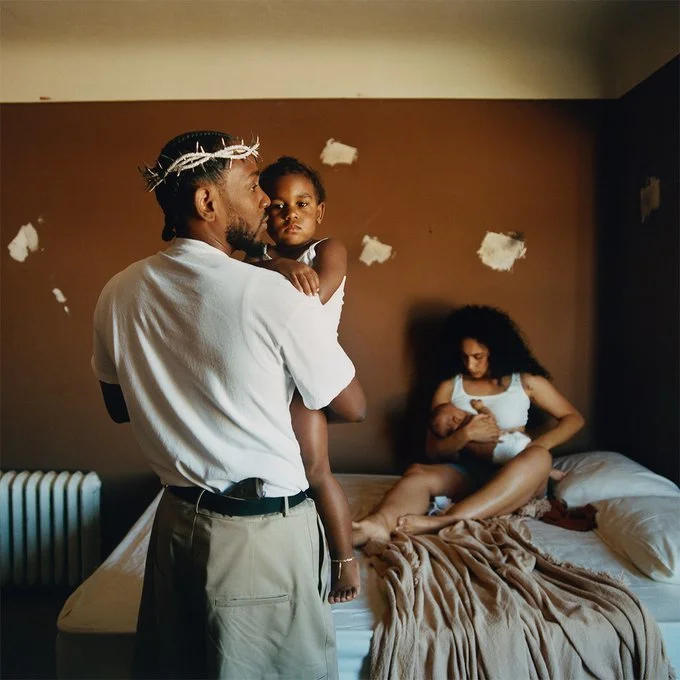
Listen to the album below:
Mr. Morale & The Big Steppers

TAKE TIME: Giveon

1/16/20

3:15 PM

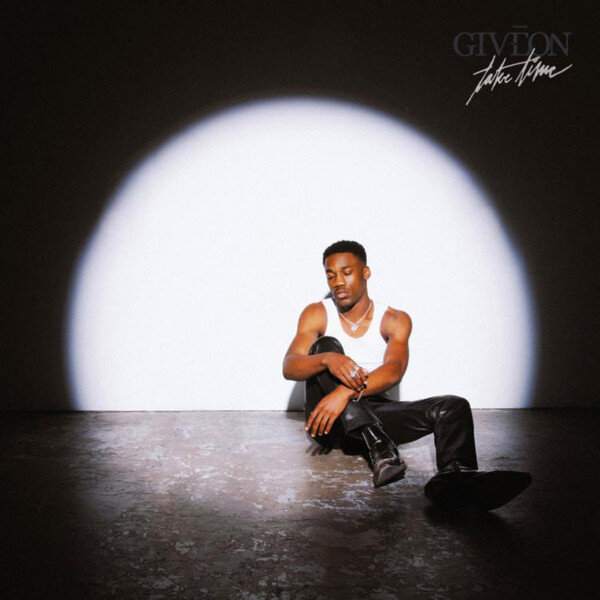
Long Beach born singer Giveon Dezmann Evans, mononymously known as GIVEON, found recognition through featuring on Drake’s “Chicago Freestyle” soon after releasing his first full body of work in TAKE TIME. The contemporary R&B project holds a lot of emotion and traditional rhythm and blues qualities matched by an equally soulful voice— and it has been running on repeat for about a month now.

No stranger to the music scene, the 25 year-old artist has been pursuing a career in music since high school and attended a program with the Grammy Museum after graduating. Giveon finally earned critical acclaim in 2020 and a wave of newfound fandom, Evans’ has since taken advantage of the momentum gained by releasing another EP titled When It’s All Said and Done. Giveon’s TAKE TIME was also nominated for the 2021 Grammy Award for Best R&B album.

-

TAKE TIME’s success and high praises are self explanatory— Giveon’s deep and resonant voice fits perfectly into the genre and the attitude the record is set in; the lyricism is sensitive, yet passionate, elevating both audible and written elements respectively. A rare form of true R&B in the current spheres of contemporary music, Giveon utilizes classic R&B ideations and supplements modern components in constructing the production. The album is characterized by the singer’s deep and resonant baritone vocal range with an emphasized usage of weighted bass lines. The intricate balance between piano, guitar and percussive instruments all assemble the totality of the sound; the choice of each audible part in the instrumentation is laid well beneath Giveon’s evocative, yet recognizable vocals, resulting in an airtight production with a near pressurized atmosphere in the music.

The writing in TAKE TIME resembles the almost minimalist approach of the sound as well—saying a great deal while doing the least. The simple nature of the lyricism gives reality and transparent depth to the music. Much of the words in each track through show flashes of insecurity, melancholy, infatuation, and a hint of regret; the writing throughout the album isn’t exceptionally poetic or artistic, though it is intensely direct with overtones of desire and longing. Focusing on subjects that pertain to heartbreak and everything after, TAKE TIME becomes one man’s testimony to his accounts of love and its end.

-

Perhaps the best part of this album is the musical efficiency, or maybe the written components that clarifies an anecdote of past romance, but the most probable factor is likely the emotional relativity of the project. Somehow listening to a stranger’s context of their history feel vastly familiar— while the exactness in the details are divergent, the overarching sentiments seem to strike a vein for listeners who find recollection in heartbreak.

Listen to the album below:

TAKE TIME

A Fever You Can't Sweat Out: Panic! At The Disco

11/07/20

4:56 PM

Brendon Urie has become somewhat of a pop icon within the industry over the last few years, but looking back on the development of a band now labeled as “pop rock” with its frontman being the entire sum of the once baroque-emo-electro-punk band, it’s been quite a wild journey to observe their progression in the eyes of a fan as well as a critic.

-

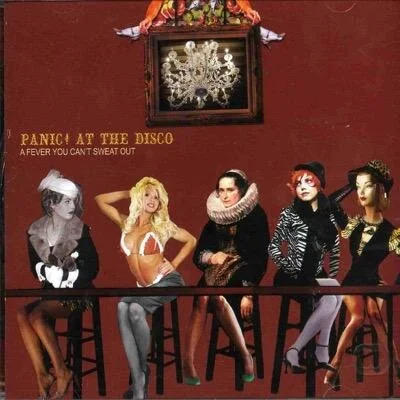
Rewinding back through Panic! at the Disco’s multi-genre discography and retracting the personal and vocal growth that Urie built up over the years alongside a few band members, (both founding and touring) it’s intriguing to retrace the path that Panic! at the Disco took. The four friends and founding members from two different high schools decided to play in a band and the result was a triple platinum album in A Fever You Can’t Sweat Out. If you were alive in the mid 2000’s, there’s a pretty decent chance that you recognized Panic! within the first three seconds of their career-making single— the sound of the ringing Pizzicato strings from the track titled “I Write Sins Not Tragedies” along with the rest of the discography containing equally perplexing titles, made up an unfamiliar combination of electronic and emo punk that was somewhat controversial to the scene.

The neo emo album is made up of what seemed like an unlikely composition at the time— you have the expected components like guitar, bass, and drums, but where the distinction begins to take place is the inclusion of baroque pianos, drum machines and synths layers on top of a more gothic tone— and in 2005’s emo scene? Are you kidding?! The slick riffs and irregular, yet foundational rhythmic make-up of the album adheres to the traditional standards of the genre while progressing over its preconceived boundaries. The band’s instrumentation and production by Matt Squire paired with a young Brendon Urie’s vocality create the sarcastically bold sound of Panic! at the Disco’s debut album. Looking at the album as a whole, A Fever You Can’t Sweat out resembles a theatric translation of a cabaret show into a dynamic thirteen track album, as if it were arranged to be a dramatic play.

In substance , the overall nature of this album reflects a lot from the literary inspiration and the surrounding aesthetic of the band’s song writers Brendon Urie and Ryan Ross. The stark Vegas burlesque and the satirical outlook on vanity and lust is magnified by their interest in the written works of Chuck Palahniuk (Invisible Monsters, Fight Club, etc.)— a writer who categorizes into transgressive fictionalism- a narrative where characters feel the desire to emancipate from social norms. Every one of the titles in A Fever You Can’t Sweat Out is derivative of Palahniuk’s writing,. “The Only Difference Between Martyrdom and Suicide Is Press Coverage” and “There’s a Good Reason These Tables Are Numbered Honey, You Just Haven’t Thought of It Yet” as track titles foreshadow the non-linear type of lyricism that seem to fit… almost too well; a lot of the writing seems obscene, obscure, and irreverent— delving into vain, sexual, and exhaustive details of written accounts that responds well into the album’s overall design. But while the lyrics and songwriting in this album are cohesive and unique, the topical focus in the words revolve around seemingly toxic material; the thematic outline and lyrical constitution might look to be inappropriate and sometimes even discomforting throughout the album behind its musicality. However, although the album is filled with innuendos and questionable jabs toward more serious subjects, the attitude that the writers have doesn’t seem pretentious or ill-natured, but is a probable banter to display their emotional and mental casualties as many of these topics seem to stem from the writers’ personal histories and solidifying them into tangible works of music make Panic!’s songwriting exhibit the external glamour in the acts of life and vilify the crude realities in a hollow ecstasy.

…15 years later and it’s been an entertaining transition to see a band that sang about breaking away from given expectations and straying from mainstream circumstances, make folk music, then alternative indie, then electronic synth pop, then jazz pop, and finally landing on being mainstream and fitting into a popular form of music. “Can't take the kid from the fight, take the fight from the kid” I guess.

Listen to the album below:

A Fever You Can’t Sweat Out