Contemporary

3.15.20: Childish Gambino

3/24/20

2:34 AM

Donald Glover’s fourth studio album, 3.15.20 breaks the silence after four years as entertainment industry’s Swiss Army Knife, Childish Gambino’s continuation from his last full project, Awaken, My Love! Familiar and new envelop this album in more ways than one as the Glover’s genius is showcased yet again.

-

Diving back into possibly his best craft— Donald Glover, in this case as Childish Gambino— retreats to music with the release of 3.15.20. As a project that identifies best as a mild experimental base with infusions of R&B, Hip-Hop, Poptronica, and Dance music— 3.15.20 is seemingly a very scientific record, as much of the track names are simply just the time stamps to the album, and the hypnotic and trancing qualities of the songs also add to the almost-robotic atmosphere to the composition. However, the nature of the album’s sound is actually quite quirky; while perhaps lacking a poetic or even personal layers in their labels, each track is greatly distinguishable to itself. 3.15.20 is both cohesive as a body of work while still having a touch of a variance at the same time. The overall generality of this work feels more akin to Gambino’s earlier work, Because the Internet as opposed to the more recent and organic Awaken, My Love! due to the usage of familiar components and sharing an entire basis of making a more computerized and experimental album in 3.15.20.

The content of this album mainly flirts between the balance of introspection and ignorance— engraving short flickers of reality within the transparencies of epicurean and haphazard fronts. From love to futility of parties, racial tension to Gucci jackets, purposelessness to environmental concern, and the digital takeover to familial bonds, the irony and satire often seen in Childish Gambino work persists. With contributions from artists like Ariana Grande, 21 Savage, and Kadhja Bonet, and Ludwig Göransson being one of the many collaborators on the project, 3.15.20 is more expansive than one would expect with great replay value and the majority of the album is reminiscent of 80’s dance music to a blend of contemporary mechanized elements.

-

3.15.20 is weird, yet surely caring— an album in which the listener can find the inner workings of a creative striving to express and survive at the same time; showing the engagement between the psyche and its surroundings. Readily covering just about every conceivable thematic, the focus lies therein on none, therefore- all.

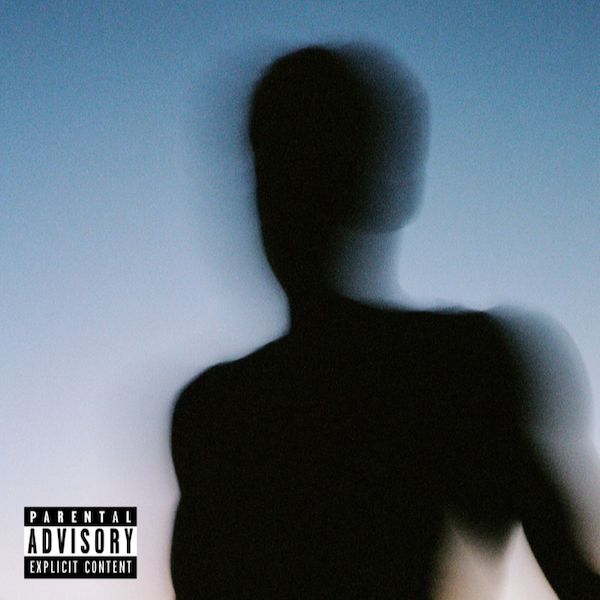
*lol the cover of this album is currently just a white square

3.15.20-scaled+2+%281%29.jpg

Listen to the album below:

3.15.20

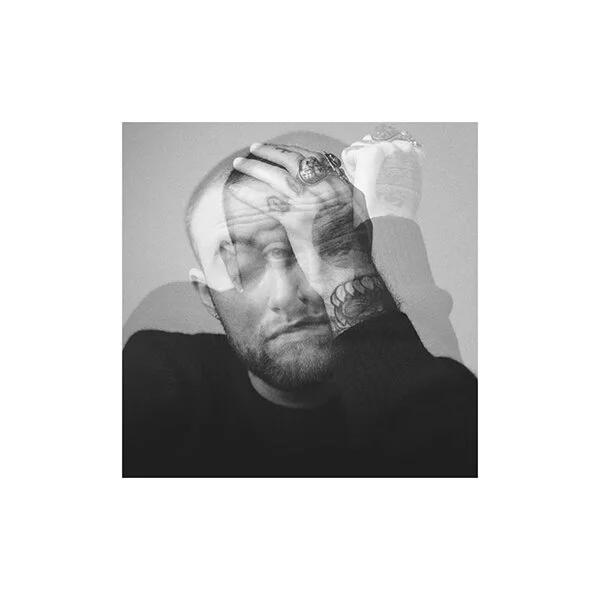
Circles: Mac Miller

2/26/20

4:04 AM


It’s been little over a month since the release of Malcolm McCormick, or more famously known as Mac Miller’s posthumous album, and it’s still difficult to pin a definitive opinion on the project itself.

-

Without a huge certainty on the intentionality for the thematic scheme of the album, the record seems to revolve in circles around the topic of life, and the experiences therewitihin. Circles as an album pictures a tragically beautiful story— one in which the listener is placed into a dramatic irony of seeing the hopelessness in a man yearning for self-visualization, reflecting upon his afflictions, and having plans for the tomorrows, but is deprived of a future. This is elaborated in knowing that Malcolm was going through a period of depression from relationships and failed recoveries, and yet the lyrical contents of the album seemed to reflect a desolate optimism in its message, and in the midst of this assuring tonality, the listener is again reminded of the passing of the young rapper.

Circles is nearly impossible to categorize as a single genre album, and even to two or three; perhaps best labeled as an urban-contemporary project in my opinion. Inclusions of hip-hop, rap, R&B, emo, house, rock, and even folk or indie influences are notable throughout the album, making it digestible for a wide range of audiences while adhering to Mac’s stylistic fluidity in production and songwriting. The overall lack of energy doesn’t seem to take away from the record as much, but provides a forlorn overtone to it. However, “Blue World” (produced by Guy Lawrence—one half of the EDM group Disclosure and some additional input by Jon Brion) and some short moments in other tracks keep the totality of the album from being eclipsed by gloom, and showcases aptitudes for the range of color in Mac Miller’s music.

-

While the death of Malcolm James McCormick does not augment or minimize the album in any way, I do believe that Circles being released as a commemorative work does affect the way that the listener engages with the album. Perhaps the most disheartening element in the passing of the young artist and seeing the end to his career may have been the potential of his future and his involvement in music. So many artists attested to his influence within the industry and how much he contributed to it as well, and the stories of his actions on and off the mic were just a few things about him that made him not only an incredible artist, but also a human being.


Gone too soon.

f5528ff2f79b8c9aaf79f41beaea2379.1000x1000x1.jpg

Listen to the album below:

Circles

Case Study 01: Daniel Caesar

6/28/19

7:18 PM

Daniel Caesar breaks the silence after two years by following up his breakout debut album—Freudian, with his second studio project titled Case Study 01.

The album— so aptly named, shows specific natures of science and how it can affect the human emotion. Tracks such as “ENTROPY” and “SUPERPOSITION” give light on how Caesar’s experiences and feelings correlate with scientific cases.

-

Case Study 01 holds merit in just the talents that are featured. Musical authorities such as Brandy, Pharrell Williams, and John Mayer bring weighted expectations upon the album, as well as credit the artist that Daniel Caesar has become over the recent years.

The development of the Canadian singer’s sound hasn’t necessarily transformed, but rather matured and developed by picking up a few more qualities while retaining its original tonal range and general feel. Caesar takes his simple, romantic, and longing impressions and compliments them with bass-heavy rings, electronic drums, and pitching his vocals in a way that faintly resembles some of Frank Ocean’s work. While implementing new components to his music, all the instrumentation— traditional and nontraditional both— are placed skillfully and executed to create a subtle complexity. In a way that seems benevolent and modest, a beautiful simplicity sums up the atmosphere of the album which has been carefully crafted. Case Study 01 in its essence is pure— the acoustic elements and the studio factors come clean, undiluted, and straightforward.


The content of this album…is a huge contradiction in and of itself. Much of Caesar’s lyrics find regards to his newfound success and fortunes, in which the young musician does not shy away from telling his listeners. Caesar mentions his past persona and minor standings and compares them to his now glorified lifestyle fabricated in sex, drinking, and fame. The pseudo lifestyle that he himself despises is made to look glamorous in his mind and is even pronounced by none other than himself. Where the sweet and serene words used to reside, has been occupied by ideas of carnal desires or empty satisfactions; motivations derivative towards others have transitioned into a self-centered inclination, which portray the change within himself.

Another contradiction commonly seen in Daniel Caesar is that of religious themes— elevating this paradox, the background inspirations of Case Study 01 draws from science, often thought to be antithesis of faith. In an album inspired by distinctive instances of theories and observations, there are just as many, if not more specific biblical references. Caesar plays with the thematic idea of ironies and a heavy portion of his writing pertains to it.

-

However, underneath all this seemingly outward change in his inspirations and character, Daniel Caesar still seems to be focused and chasing after the same end-goal: contentment and fulfillment in love (or whatever else he’s looking for).

The way that Daniel Caesar uses breaks and extended pauses within songs and between, is something that keeps the listener in suspense and supplements that style changes that occur through out the album. Overall, the album is artfully made, with the first half of the work centering around his metamorphosis to extravagance, the latter half being more profound and resolute. What started as a really nice album culminated into an incredible musical experience. I would emphatically recommend dedicating 43 minutes to listen to Case Study 01 in its entirety for the optimal listening.

daniel-caesar-case-study-01 (1).png

Listen to the album below:

Case Study 01