Soul

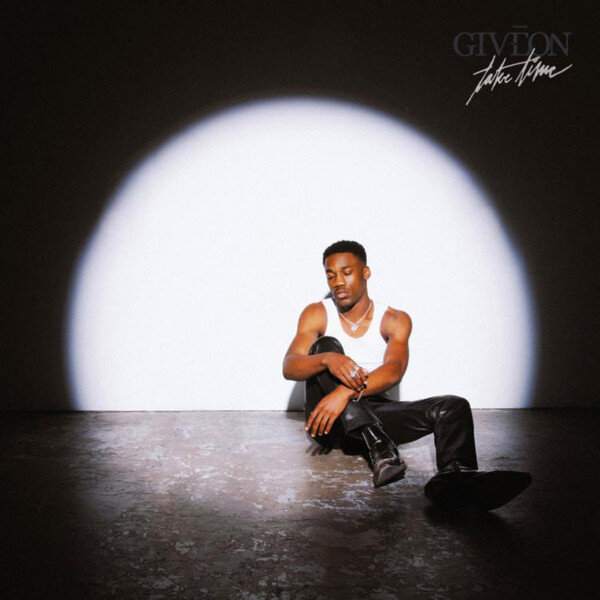
TAKE TIME: Giveon

1/16/20

3:15 PM

Long Beach born singer Giveon Dezmann Evans, mononymously known as GIVEON, found recognition through featuring on Drake’s “Chicago Freestyle” soon after releasing his first full body of work in TAKE TIME. The contemporary R&B project holds a lot of emotion and traditional rhythm and blues qualities matched by an equally soulful voice— and it has been running on repeat for about a month now.

No stranger to the music scene, the 25 year-old artist has been pursuing a career in music since high school and attended a program with the Grammy Museum after graduating. Giveon finally earned critical acclaim in 2020 and a wave of newfound fandom, Evans’ has since taken advantage of the momentum gained by releasing another EP titled When It’s All Said and Done. Giveon’s TAKE TIME was also nominated for the 2021 Grammy Award for Best R&B album.

-

TAKE TIME’s success and high praises are self explanatory— Giveon’s deep and resonant voice fits perfectly into the genre and the attitude the record is set in; the lyricism is sensitive, yet passionate, elevating both audible and written elements respectively. A rare form of true R&B in the current spheres of contemporary music, Giveon utilizes classic R&B ideations and supplements modern components in constructing the production. The album is characterized by the singer’s deep and resonant baritone vocal range with an emphasized usage of weighted bass lines. The intricate balance between piano, guitar and percussive instruments all assemble the totality of the sound; the choice of each audible part in the instrumentation is laid well beneath Giveon’s evocative, yet recognizable vocals, resulting in an airtight production with a near pressurized atmosphere in the music.

The writing in TAKE TIME resembles the almost minimalist approach of the sound as well—saying a great deal while doing the least. The simple nature of the lyricism gives reality and transparent depth to the music. Much of the words in each track through show flashes of insecurity, melancholy, infatuation, and a hint of regret; the writing throughout the album isn’t exceptionally poetic or artistic, though it is intensely direct with overtones of desire and longing. Focusing on subjects that pertain to heartbreak and everything after, TAKE TIME becomes one man’s testimony to his accounts of love and its end.

-

Perhaps the best part of this album is the musical efficiency, or maybe the written components that clarifies an anecdote of past romance, but the most probable factor is likely the emotional relativity of the project. Somehow listening to a stranger’s context of their history feel vastly familiar— while the exactness in the details are divergent, the overarching sentiments seem to strike a vein for listeners who find recollection in heartbreak.
Listen to the album below:
TAKE TIME

Circles: Mac Miller

2/26/20

4:04 AM


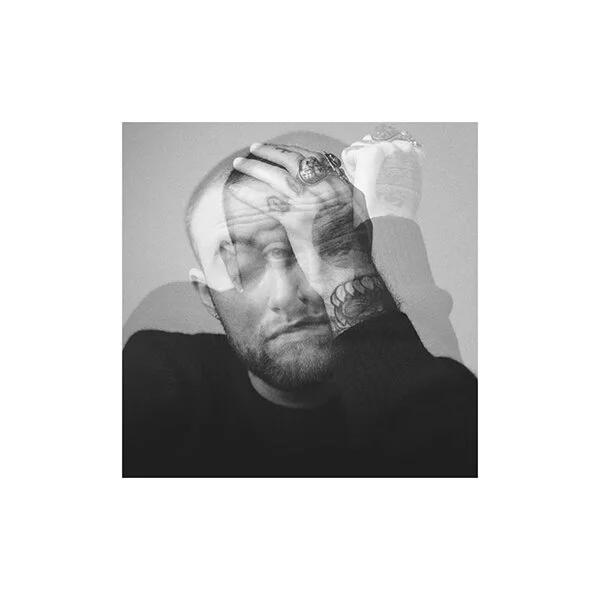
It’s been little over a month since the release of Malcolm McCormick, or more famously known as Mac Miller’s posthumous album, and it’s still difficult to pin a definitive opinion on the project itself.

-

Without a huge certainty on the intentionality for the thematic scheme of the album, the record seems to revolve in circles around the topic of life, and the experiences therewitihin. Circles as an album pictures a tragically beautiful story— one in which the listener is placed into a dramatic irony of seeing the hopelessness in a man yearning for self-visualization, reflecting upon his afflictions, and having plans for the tomorrows, but is deprived of a future. This is elaborated in knowing that Malcolm was going through a period of depression from relationships and failed recoveries, and yet the lyrical contents of the album seemed to reflect a desolate optimism in its message, and in the midst of this assuring tonality, the listener is again reminded of the passing of the young rapper.

Circles is nearly impossible to categorize as a single genre album, and even to two or three; perhaps best labeled as an urban-contemporary project in my opinion. Inclusions of hip-hop, rap, R&B, emo, house, rock, and even folk or indie influences are notable throughout the album, making it digestible for a wide range of audiences while adhering to Mac’s stylistic fluidity in production and songwriting. The overall lack of energy doesn’t seem to take away from the record as much, but provides a forlorn overtone to it. However, “Blue World” (produced by Guy Lawrence—one half of the EDM group Disclosure and some additional input by Jon Brion) and some short moments in other tracks keep the totality of the album from being eclipsed by gloom, and showcases aptitudes for the range of color in Mac Miller’s music.

-

While the death of Malcolm James McCormick does not augment or minimize the album in any way, I do believe that Circles being released as a commemorative work does affect the way that the listener engages with the album. Perhaps the most disheartening element in the passing of the young artist and seeing the end to his career may have been the potential of his future and his involvement in music. So many artists attested to his influence within the industry and how much he contributed to it as well, and the stories of his actions on and off the mic were just a few things about him that made him not only an incredible artist, but also a human being.


Gone too soon.

f5528ff2f79b8c9aaf79f41beaea2379.1000x1000x1.jpg

Listen to the album below:
Circles

Decade in Review: Best Albums of 2010's

1/27/20

5:15PM


Seeing as the decade has come to an end, I figured it would only be appropriate to welcome the 2020’s by making a list of my personal favorite and what I thought to be some of the most influential and well made albums of these past ten years.

2010’s music made a lot of strives and shifted music in the sense of what has become, how it circulates, and even the culture surrounding the artform. Having said that, I made a fairly subjective list of some works that I felt was integral to the music scene as a whole, and some albums that I just really enjoyed as well (I felt that I may have left some projects out and such, ergo I am also including albums and projects that may be similar to the following albums that may be worth listening to).

Let’s get started.


Helplessness Blues: Fleet Foxes (2011)

Bringing in a piece of work that combines multitudes of complexities crafted from vocals, guitars, harmonies, bells, and percussive elements, Fleet Foxes’ Helplessness Blues seem to represent a lot of questions that one might have in their early adolescence in forms that seem not only universal, but oddly just as specific.

The overall aesthetic and sound of this album relies heavily on the myriad of instruments and styles that resemble an “almost gypsy” feel while incorporating a harmonic atmosphere to the folk rock genre. Combined with the intricate songwriting which add to the intrinsic nature of the work. The album has a nicely subtle balance between sound dynamics, and does an excellent job on keeping the listener engaged and busy, whilst providing a fairly easy listen to the passing person as well.

Listen to Helplessness Blues

Also listen to:

The Idler Wheel… : Fiona Apple (2012)

Two Hands: Big Thief (2019)


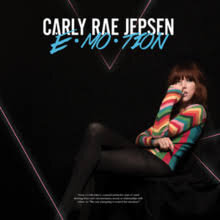
Emotion: Carly Rae Jepsen (2015)

Carly Rae Jepsen is almost exclusively known for her meme-ish single that was released in 2012, but the Canadian singer came back making waves in the indie pop scene in a way that compacts and cherishes pop music in a way that seems bring back the last thirty years of the genre.

Jepsen took a personal endeavor to this album by approaching A&R efforts herself, seeking artists and producers to collaborate with largely by herself, and the result was a body of work that places the listener through the nostalgic synth-pop influenced, yet very modern day album that is Emotion.

While breaking away from the idea of becoming a one hit wonder artist, Carly Rae Jepsen’s Emotion brings genuine song writing, extremely detailed production, and a culmination of what seems to be some of the best elements of pop music from the 80’s to the early 2010’s. Drawing from styles of city-pop— A genre popularized in Japan during the late 70’s— and working with retro instrumentation, popular songwriting topics in the 1980’s and storytelling that is reminiscent of pop stars of that era, all within the innovations of mid 2010’s setting earned Carly Rae Jepsen remarkable notes from critics and fans both.

Listen to Emotion

Also listen to:

1989: Taylor Swift (2014)

Body Talk: Robyn (2010)


American Football (LP3): American Football

download (1).jpeg

Intricate and nostalgic, After LP2, which broke a seventeen-year hiatus, American Football’s LP3 marks the third project to be released by the band, which spans across the timeline from 1999 to 2019.

The album’s hyper sensitive and evocative nature seems to bring out some reflective lyrics that takes a huge swing to the author’s life. The melodic flow of the album paired with the songwriting brings an almost “expired” feel to the work, and while this is immediately noticeable, the production is interesting enough to captivate listeners in a strangely quaint manner.

The emo aspect of LP3, the seemingly fitting yet odd artist features, and the sobering tone that is brought out by Kinsella in his journey toward mid-life shows that we all do grow up eventually; leaving things behind in a timely fashion, and while we are becoming accustomed to these losses, insights about our pasts are motivations enough to accept the days ahead.

Listen to American Football (LP3)

Also Listen to:

The Monitor: Titus Andronicus (2010)

Kaputt: Destroyer (2011)

Chon: Chon (2019)


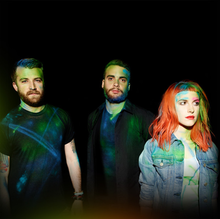
Paramore: Paramore (2013)

An album that seems really appropriate for the band’s metamorphosis. While the departure of the founding band members Josh and Zac Farro changed the aesthetics and the energy of the band, saying that the alteration was necessarily a negative would be misguided.

In making this project, the evolution of Paramore included a cross-genre incorporation in their musical performance, the direction of songwriting which seemed to break away from the niche of punk stereotypes while keeping in touch with subjects that still line up with the core values of the initial essence, and ultimately the stabilization and improvements in Hayley William’s vocals— an leading element in Paramore’s character.

Paramore’s self-titled album arguably reeled in their biggest commercial success in tracks like “Ain’t It Fun” and “Still Into You”; emphasizing the re-structure of the band’s sound and taking in a plethora of influences from many mainstream genres. If what they lost was the pure emo/ punk-rock energy, Paramore fills the gap by producing an ostensibly more complete album of rock music that is catered toward a general audience.

Listen to Paramore (Deluxe Edition)

Also Listen to:

When You’re Through Thinking, Say Yes: Yellowcard (2011)

Neighborhoods: Blink-182 (2011)


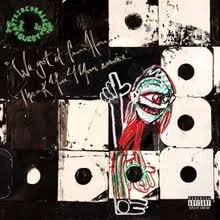
We got it from Here… Thank You 4 Your Service: A Tribe Called Quest (2016)

download (2).jpeg

A curtain call… in so many different ways that celebrates so much for the Tribe. The life of Phife Dawg, the progress of music, the journey of Q-Tip, Phife, Ali, and Jaorbi, Artists that carry on the legacy of A Tribe Called Quest, and the generations of music that they have fostered are only a few things that this album symbolizes.

The East Coast jazz rap smooth factor is met by the cacophony of political frictions, creating a relevancy that surpasses music and form. The ever futuristic nature of the group is still visible, providing a platform for boundaries to be pushed and challenging significance of media while delivering musical substance is something many have come to expected from the collaborative efforts of A Tribe called Quest. Their trademark jazz influenced hip-hop still finds place in production as it did since the 90’s and creates a sentiment and a refreshing note to the listener as the quality and quantity of the Tribe is still just as prevalent today.

We got it from Here… Thank You 4 Your Service marked the end of a journey for a rap group who influenced music, culture, and a numerous amount of artists with their legacy, it also served as a project that allowed A Tribe Called Quest to pass the torch to the newer generation by working with them and including individual artists in their last album as the curtains of their very own artistic careers closed. The late Phife Dawg, chose the title for the album, and although the meaning of the title is unbeknownst to the other members of A Tribe Called Quest, it seems oddly fitting.

Thank you for your service Tribe.

Listen to We got it from Here… Thank You 4 Your Service

Also listen to:

4:44: Jay-Z (2017)

Tetsuo & Youth: Lupe Fiasco (2015)

channel ORANGE: Frank Ocean (2012)

download (3).jpeg

Frank Ocean’s rise to superstardom can be traced back to the meteoric success of his second studio album Blonde, but the project placed the American singer & songwriter on the radar of both fans and critics was Ocean’s debut studio album channel ORANGE, where his bittersweet sentiments are unraveled to listeners in a way that seemed both untried, yet familiar.

The early 2010’s music scene was foregoing a shift of music as more traditional and stereotypical forms of music were tested and experimental factors were being flooded by new waves of artists from the advancement of the internet. One particular group that helped instigate this movement was Odd Future— a collective of artists that caught the attention of media outlets by rejecting societal norms that were placed onto them, rebelling against preconceived standard notions, and experimenting with multitudes of existing styles to present unique styles in their individual works. While Frank was a pivotal member of Odd Future, his introspective and reserved persona bypassed the more cynical nature of his group, but his blending of multi-dimensional influences like hip-hop, soul, funk, jazz, electro, and psychedelic in channel ORANGE gave way to creating a meta within music that influenced a great deal of artists that followed.

While channel ORANGE may not be Frank Ocean’s best work, the more reflective elements of his life revealed through this album which centralizes on his intimate memories of experiencing young love, contemplation in sincere narratives, and the engagement on the idea of duality through genuine emotions and the indulgence in the vain such as drugs, sex, and the cheap factors of life; proving perhaps to be the most critical point of his career in who he is as an artist and as a human.

Listen to channel ORANGE

Also listen to:

Blonde: Frank Ocean (2016)

Ology: Galant (2016)

American Teen: Khalid (2017)

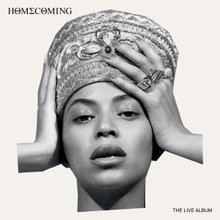
Homecoming: The Live Album: Beyoncé (2019)

When you’ve been prevalent in the game for over twenty years, you’re bound to have some gold in your discography, and you should also know that you’re doing right. Beyoncé has been regarded now for some time as Queen B, and Homecoming: The Live Album seems like a flash of hits from the long-lived career of one of the most successful artists of all time.

Recorded during Coachella’s headlining acts, the album plays through a live recording of the performance— kicked off by a triumphant marching band intro and met with the roars of the present crowd, the listener is placed within the energy of possibly the greatest stage in the modern world. The track listing is comprised of a near two-hour, non-stop run of possibly the greatest display of music, dance, and a homage to a culture; Some of Beyoncé’s most prominent works were highlighted with the accompaniment of her husband Jay-Z, Solange, and roughly 100 dancers, earning the celebration of fans reveling in a historic pageantry of black culture and history. Topped off with the vocal capabilities of the veteran singer, Homecoming just feel like a fool-proof body of work.

You might need some boosted bass for listening.

Listen to Homecoming: The Live Album

Also listen to:

Lemonade: Beyoncé (2016)

Beyoncé: Beyoncé (2014)

A Seat at the Table: Solange (2016)

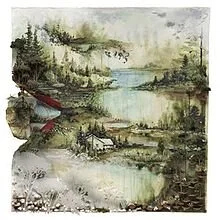
Bon Iver: Bon Iver (2011)

Bon_iver.jpg

The musician for musicians, the beautifully jumbled up mind of Justin Vernon more famously known as Bon Iver’s self-titled album seems like a turning point for not only his discography, but also for contemporary music in its totality.

If one was to begin diving into the ever so inventive and avant-garde stylings of Bon Iver, many would start by listening to his earlier and more recognizable tracks like “Skinny Love” or even “Re: Stacks” in which simplicity is glorified as hollowness and deep yearning. However, as we start to draw nearer to his present works, the tracks become extremely complicated and almost illegible in nature. In the nine years between Bon Iver’s debut album For Emma, Forever Ago and 22, A Million, the arcane artist and the madman Justin Vernon is almost two in identity; transitioning from a familiar sound of indie folk to the creation of celestial folk— a subgenre of music that may only exist in trying to identify the experimental sound of Vernon.

Bon Iver’s self-titled album, lies near the median of that spectrum, placing those heavenly and divine tones into a traditional folk background to find the equilibrium in pure and phantasmal. A play between nothingness and the whole, the album represents being; each song is attributed to a physical location. Many of the songs point to a place of importance in Justin Vernon’s life: A place in which his deceased friend was born, where his parents met, where he grew up, and many more personal places.

“Holocene' is a bar in Portland, Oregon, but it’s also the name of a geologic era, an epoch if you will. It’s a good example of how all the songs are all meant to come together as this idea that places are times and people are places and times are… people?”

Listen to Bon Iver


Also listen to:

22, A Million: Bon Iver (2016)

Birthplace: Novo Amor (2018)

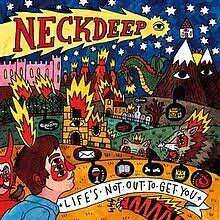
Life’s Not Out to Get You: Neck Deep (2015)

In an era where the pop-punk genre has become somewhat outdated and can be seen as a past thrall in our years of youth, The Welsh pop punk band Neck Deep comes out with a timeless work in Life’s Not Out to Get You.

Following up with the band’s successful debut project, Neck Deep guides the momentum and adds to the swing of things. The band members, committing fully on to music and signing to a label, begin to zero in towards a product that edifies the genre, all while keeping true to their sound and polishing individual talents. The result is incredibly reminiscent of the early 2000’s punk scene, but rather than sounding dated or archaic, each track seems to be appropriate to the advancements in music, and is something that might be hard to come across in recent projects due to bands commercializing their sound or lingering on melodically tired formulas.

Neck Deep’s evolution was multifaceted as well, vocals, instrumentation, compositional content, songwriting and entire aesthetic saw leaps and strides as the band was able to spend more time in making music. In ad era where pop music is dominated by hip-hop influences rather than rock, this album is definitely a lively change of pace to kick up some of your roots.

Listen to Life’s Not Out to Get You

Also listen to:

The Finer Things: State Champs (2013)

What You Don’t See: The Story So Far (2013)


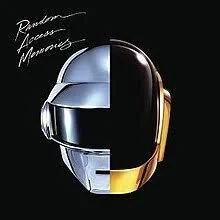
Random Access Memories: Daft Punk (2013)

One of the most influential artists in music, and one of their most influential albums.

Daft Punk has been a huge impact for many artists by venturing into the mechanical components of music— digitally producing, sampling, recording, and creating music was something that the French musicians Thomas Bangalter and Guy-Manuel de Homem-Christo helped culminate. Daft Punk was also revolutionary in their sense of combining unlikely genres of music to make for a unique sound that broke ground for the direction of music; fusing elements of house, funk, disco, techno, rock, and pop among many other genres, the electronic genres began to take shape.

Random Access Memories, while still very much a Daft Punk album, took to a more human aspect, replacing the usage of sampling with the addition of live musicians. Wanting to find more structural base in actual people and organic ingredients, the duo sought out collaborations with some of music’s best.From Pharrell Williams to The Stroke’s lead singer, Julian Casablancas, Nile Gregory Jr. to the Father of Disco, Giorgio Moroder, the star studded cast of featured artists attributes to possibly one of the most carefully created albums in the last few decades.

Listen to Random Access Memories

Also listen to:

Settle: Disclosure (2014)

Funk Wav Bounces Vol.1: Calvin Harris (2017)

The Bones of What You Believe: CHVRCHES (2013)

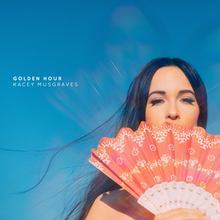
Golden Hour: Kacey Musgraves (2018)

Seems new, but really isn’t; but 2018’s Kacey Musgraves seems like a different person when inspecting her perspective carefully. Describing her current state of life to resemble the golden hour of the day, the eclectic country artist presents a change of pace in her “cosmic country” spin to a her personal experiences of love and heartbreak.

Golden Hour swept the 2018 music awards in a range of categories— 4 Grammy’s, including a recognition for the best album of the year, Country Music Award’s best album of the year, and the same award for Apple Music. Such high praises seem almost excessive, but the easy, yet deep nature of the album’s songwriting stays true to characteristics of Americana Country while backed by Kacey’s inclusion of unlikely complements of electronic instrumentation, usage of funky beats, and vocal modifications.

In the singer’s third studio album, Kacey Musgrave’s somber and cynical tone throughout her career is replaced with a more dazzling and comforting outlook on things; Golden Hour feels like greeting sunrise or a sunset— warm, sincere, and euphoric, all while keeping the listener grounded to reality.

Listen to Golden Hour

Also listen to:

Born and Raised: John Mayer (2012)

Red: Taylor Swift (2012)

Room 25: Noname (2018)

download (7).jpeg

The latter half of 2010’s were dominated by music characterized by electronic elements in composition— synths, 808’s, pitched samples, overproduced instrumentals, and modifications to the more organic components were prevalent in genres like rap, pop, and other mainstream forms. Noname’s official debut album reversifies the present state of music into a complex, yet old-fashioned aesthetic.

Noname could be presented as a rapper, but would be better identified as a poet. Room 25 was recorded in roughly around a month, and out of financial necessity, adding a hint of irony to a seemingly artistic and personal album in which the Chicago native independent artist extrapolates on her maturity in moving to LA, encountering sex, and her experience in doing music.

As the follow up project to her largely successful Telefone mixtape, Room 25 was met for even higher remarks, showing the progression in Noname’s life which she compares to a transition from PG to R in terms of content. The syncopated and rhythmic elements of her tracks are met with a soothing constant through her rapping, which is more effectively described as spoken-word. The lyrical nature of her songs resemble poems or written narratives in servings of musical verses, making this album paint an audible masterpiece for both easy and attentive listening.

Listen to Room 25

Also listen to:

Ctrl: SZA (2017)

CARE FOR ME: Saba (2018)

Legacy! Legacy!: Jamila Woods (2019)

A Crow Looked at Me: Mount Eerie (2017)

The most emotional album in this list.

An album in which the writer talks about the death of his wife, losing her to cancer, living without her, remembering, raising their infant daughter, and every other excruciating detail in between.

In what the author Phil Elverum labels as “barely music”, the listener is immersed in his sadness as well. Death, an overlooked element in many artforms, is made painstakingly real in this album, genuinely. A Crow Looked at Me, made with the late Genviève Castrée (Elverum)’s instruments and equipment, is a reminder of mortality in the face of the living, and accounts to a perspective of a widowed husband and a father.

Through all of this, Phil Elverum creates something akin to written reports of his emotions and recollections; in doing so, he finds things to actively notice, so that he can remember his beloved.

Listen to A Crow Looked at Me


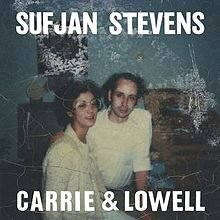
Carrie & Lowell: Sufjan Stevens (2015)

Another album thematically rooted in death, Sufjan Stevens’ recollections of his faint relationship with his mother who’d left at 1 is beautifully recorded into a mystical and perplexing beauty of an album.

Carrie & Lowell, titled after the authors mother and stepfather, includes numerous intricate and obscure references and lyrics that add to a layer of questioning and possibly creates an allusion of his relationship with his ailing mother. Austere in character, the album has multitudes of advertence toward Greek and Biblical details, further masking his direct feeling and thought to the complexities of his familial relations.

Stevens wrote and recorded the album as a means to cope with the death of his mother and his stepfather, to whom he had a more fatherly bond with, finding inspiration in both their lives and passing. Coming back to the more cautionary, yet peaceful aesthetic, Carrie & Lowell necessitates a deeper analysis and benefits greatly from some context from the author; in an interview with Pitchfork, Sufjan Stevens descends into greater details about his family and his childhood.

Read Sufjan Stevens’ interview with Pitchfork

Listen to Carrie & Lowell


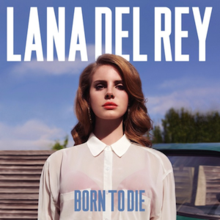
Born To Die: Lana Del Rey (2012)

220px-BornToDieAlbumCover.png

If there was a way to engage in a cinematic experience within the scope of music, Lana Del Rey does an excellent job in placing the listeners through an apparent narrative through her songs. Evocative of the old fashioned Americana, Born to Die contrasts the harsh thematic influences of 1950’s films to contemporary music components.

Using strings and orchestral elements to achieve a more grand and cinematic atmosphere, Lana Del Rey jumps between an almost drab tone of singing to a bewitching voice effortlessly, seducing listeners to an intoxicating trance. Appropriate to the movie-like essence of the work, the lyrics are often apropos of money, love, sex, and grandeur.

The distinctive features that separate this album from its alternative/ indie-pop equivalences in similar timeframes include Lana’s unique deep pitch in singing and the mainstream introduction to trippy and sad aesthetics to classical influences to make for a particular rarity that helped characterize a subgenre which became a trend for artists in following years; earning Lana Del Rey a cult following for her success in gaining popularity in the early 2010’s with singles like “Summertime Sadness” and “Video Games”.

Listen to Born to Die


Also listen to:

21: Adele (2011)

Melodrama: Lorde (2017)

WHEN WE ALL FALL ASLEEP, WHERE DO WE GO?: Bille Eilish (2019)

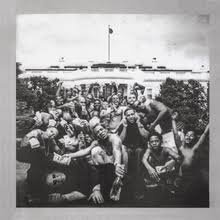
To Pimp a Butterfly: Kendrick Lamar (2015)

Kendrick Lamar has been dubbed as the best rapper in the game for some time now in the eyes of many critics and fans alike, and that idea probably gained a lot of momentum from the Compton native’s third official studio album under his moniker and the second under a major label.

Lyrical finesse, provocative flows, dexterity in his articulation, unconventional rap beats, and the notorious “Control” feature verse— these are just a few things that K-Dot’s got on his utility belt as far as rapping goes, but a particularity of Kendrick that took him to the peak of the rap game may be his ability to back up every single word that he declares. From calling out his peers in the industry, to sniping down political topics and racial issues, Kendrick Lamar deftly combines the many personalities of himself and his demons in To Pimp a Butterfly to organize a body of work that seems to cover a vast number of observations in his world.

The cohesion in the record is strengthen by the continued usage of the phrase “I remember you was conflicted. Misusing your influence…”, a fragment of a poem in which Kendrick matches segments of the poetic lines to each song and memory. To Pimp a Butterfly has so many layers in meaning and on the surface; on the musical side, the unorthodoxy of laying down jazz and funk beats in a mainstream setting and including verses of spoken word and poems set Kendrick Lamar apart from majority of other content being released at that time. Thematically, the narrative of the album served to strengthen and remind the black man, to advise each person- listening and reading- to remind themselves of their own mortality, and how that mortality can and should guide one’s life decisions. Giving many references to historic accounts and figures and adding his commentary and viewpoints, Kendrick Lamar’s To Pimp a Butterfly is often regarded as a musical, cultural, and historical trophy in multiple aspects.

Listen to To Pimp a Butterfly

Also listen to:

Summertime ‘06: Vince Staples (2016)

Born Sinner: J. Cole (2013)

The Sun’s Tirade: Isaiah Rashad (2016)

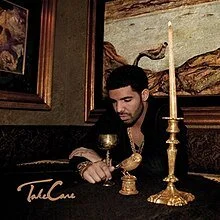
Take Care: Drake (2011)

220px-Drake_-_Take_Care_cover.jpg

If Kendrick Lamar showed you the realistic and critical disposition of life, Drake provides a perspective of life in an emotional and intoxicating approach. In a way, there is a lot of similarities to Drake and Kendrick, constructed however, as polar opposites. If the young Aubrey Graham received his heartaches from the fractures of being placed in a fatherless household in the suburbs of Toronto, Kendrick’s survival in Compton reflect the nature of the two artists’ paths.

In the case of Drake, his struggle doesn’t comprise of gang violence, drug addiction, or death, but rather comes from the pursuit of success and emotional void. Seeking proof of worth and confirmation, the young Canadian actor turned musician’s success is laid bare in Take Care— a turning point and defining moment in the artist’s forthcoming decorated career, Drake is disguised as both boastful and bleeding from the weight of his rise to fame.

Take Care cemented Drake’s persona as emotive and “in my feelings”, and the capitalization of that image has won the hyphenated artist a plethora of awards and chartered a near unrivaled commercial success. The model in which the themes of Take Care include have been analyzed in order to formularize the flagship OVO sound that can be identified by the dark, sensory, and evocative styles that stem from existential and hollow attributes in the life of an artist known as Drake; to which the listener is left wondering— Is this the real Drake? Or has that man died to himself only to be reborn as a simple desire for success?

Listen to Take Care

Also listen to:

T R A P S O U L: Bryson Tiller (2015)

Trilogy: The Weeknd (2012)

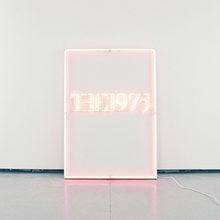
I Like It When You Sleep, for You Are So Beautiful Yet So Unaware of It: The 1975 (2016)

The_1975_-_I_Like_It_When_You_Sleep,_for_You_Are_So_Beautiful_Yet_So_Unaware_of_It.png

Since the formation of English Alt Rock band The 1975, The band has always been accompanied by the support of their cult following and fans, and while the musical allure of the band is a large part of their draw, the image of the band and their character was something that drew a lot of attention; the slacker attitudes, the drug-obsessive, the charm of a British boy band that does little to hide their accents and dialects, and the face of their group-Matt Healy, who perfectly fit all the above descriptions.

Graduating from some of public criticisms of their earlier and premature works The 1975 returns to the alternative pop rock with some flair to add to the aesthetics, sound, and the account of their growth both as a band and as individuals.

The band’s second studio album seems to replace the grungy and inebriated tones into bright and rosy melodies, while staying true to themselves. The fun, dreamlike synth-wave pop sound is something that The 1975 can be distinguished by. Evolving from their debut album, I Like It When You Sleep… refines the duality of The 1975’s music- between frivolities and sincerity- finding a perfect balance that makes the lightly humored but not lacking substance in content. Veering away from plausible negative influences, the band suddenly finds itself coming to a level of maturation and development in their product, reaching a level of stardom that stemmed from intricate and innovative applications in their music.

Listen to I Like It When You Sleep, for You Are So Beautiful Yet So Unaware of It

Also listen to:

The 1975: The 1975 (2013)

After Laughter: Paramore (2017)

Modern Vampires of the City: Vampire Weekend (2013)


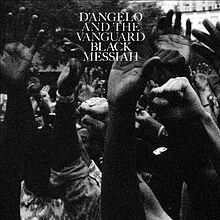
Black Messiah: D’Angelo and the Vanguard (2014)

The album Black Messiah shows a lot of credit to some of music’s best individuals— virtuosos in the industry such as Questlove, Pino Palladino, Isaiah Sharkey, and late Roy Hargrove are involved in D’Angelo’s long awaited return project, Black Messiah.

The product of many great artists coming together to collaborate on a fusion of jazz, soul, funk, rock, and R&B influences, Black Messiah is a masterwork of the experimental neo-soul genre bending. While D’Angelo saw much success earlier in his career, complications that arose from his branding and tough losses led him to a time of personal struggles, after fourteen long years of hiatus, the man once named to be the next Marvin Gaye returns with a message regarding the current state of affairs in the US. From rejecting the idea of a whitewashed imagery of Christ, to declaring the hardships of living as a black person and what that means in today’s society, Black Messiah seems to hit just about all the marks that the songs intended to.

Besides a hyper relevant message in the record, D’Angelo’s involvement and contributions to earlier decades of music is professionally displayed; Having worked with some of the all time greats like Erykah Badu, Lauryn Hill, and Kamaal Ibn John Fareed, more commonly known as Q-Tip, Black Messiah is overflowing with technical proficiency. The styles of music that come together in this album seem dated and even murky at times, but upon a closer examination, intricate details and complex standards are hitting the listener every second, creating a compelling atmosphere for a story that needed to be heard.

Listen to Black Messiah

Also listen to:

Drunk: Thundercat (2017)

Malibu: Anderson .Paak (2016)

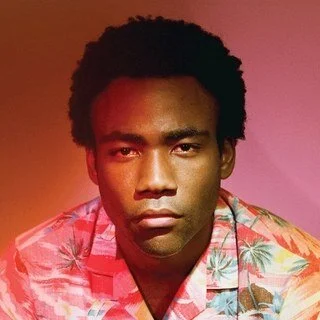
Because of the Internet: Childish Gambino (2013)

a61ee51a (1).jpg

As far as conceptual albums go, Because of the Internet may be one of the most relevant to have dropped in its contemporary setting.

Donald Glover: actor, comedian, writer, producer, director, and musician, you’d rarely find people with more talent or even just as much. The young entertainer’s second studio album and the one responsible for a majority of his notoriety was loosely based on the idea around the internet, and the relation of self and the worldwide web. Written as if the album was a film, the listener is able to experience a chronology of which multiple layers of a life deeply engaged in social media- almost to the degree where one finds him/herself devoured by it- is constructed through references of viral episodes, memes, and pop culture references that were both evident and subtle. Because of the Internet becomes more impressive when considering the fact that noticing obvious details about a particular objectivity can be ironically difficult; and the album itself is built on the foundation of irony and satire.

Like the multifaceted factor of its author, Because of the Internet is comprised of many surfaces of many different things— Hip-hop, yet Glover’s vocal hooks and other major and minor components of the album seem so far away from traditional attributes of the genre. The mixture of commercial and artistic, serious and sarcastic, happy and sad, make up the temperamental face of this album which only goes further in characterizing this tool we now know as the internet, is Gambino annoyed, content, indifferent, or conformal? Google it.

Listen to Because of the Internet

Also listen to:

Acid Rap: Chance the Rapper (2013)

Flower Boy: Tyler, the Creator (2017)

SATURATION III: BROCKHAMPTON (2017)

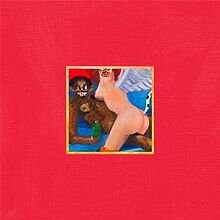
My Beautiful Dark Twisted Fantasy: Kanye West (2010)

I really didn’t mean to save this for last, and it’s not because I think that this album is THE best album of 2010’s, but if somebody told me that it was, I wouldn’t disagree.

In 2008, Malcolm Gladwell proposed the 10,000 hour rule— a thesis that in order to achieve complete mastery of a skill or study, you must first spend 10,000 hours in practice and perfecting it. Kanye claims that he spent 5,000 hours on writing “POWER”, it wouldn’t be out of line to assume that the perfecting of Kanye’s magnum opus My Beautiful Dark Twisted Fantasy clocked in a rough proximity to Gladwell’s proposition of proficiency.

My Beautiful Dark Twisted Fantasy mirrors its creator almost perfectly- clear, straight to the point, dark, arrogant, vain, and grand— so grand. Kanye’s escape of reality traps him in a factory of madness in which the Chicago rapper-producer mad genius gives birth to something that encompasses all of his past works, possibly surpassing each project; the outcome is arguably the single greatest musical project in history. The encapsulation of Kanye’s entire discography to date is demonstrated, his talent for producing and creating as well. All the strengths of this album are reinforced by a wealthy cast of featured artists including Jay-Z, Bon Iver, Kid Cudi, John Legend, Raekwon, Nicki Minaj, and many others, containing some of the best verses in the latter artist’s career. (Nicki Minaj, Monster)

Past all the troubles caused by Kanye’s belligerence and acting out, My Beautiful Dark Twisted Fantasy is timeless; even after a whole decade, the production and the amount of detail, as well as the innovative qualities of the flamboyant extraordinaire seem ahead of its time, A true piece of work, even accompanied by a bizarre, aptly paired film which spans the majority of the album across its viewing.

Watch the short film Runaway

Listen to My Beautiful Dark Twisted Fantasy

Also listen to:

DAYTONA: Pusha T (2018)

Watch the Throne: Jay-Z, Kanye West (2011)

Albums not mentioned in the list, but still praiseworthy:

The 20/20 Experience: Justin Timberlake (2013)

AM: Artic Monkeys (2013)

Freudian: Daniel Caesar (2017)

Dirty Computer: Janelle Monáe (2018)

Love, Pt. 1 & 2: Angels & Airwaves (2011)

Run the Jewels 3: Run the Jewels (2016)

DiCaprio 2: J.I.D. (2018)

Wasting Light: Foo Fighters (2011)

Village: Jacob Banks (2018)

Culture: Migos (2017)

Hozier: Hozier (2014)

The Suburbs: Arcade Fire (2010)

A Song For Every Moon: Bruno Major (2017)

…And obviously I may have left out some albums that may be needed in this list, but compacting a 10-year’s worth of music in a matter of three or four months is really hard… So if you feel that I may have missed an album or a project in particular, let me know!

…And also if you’re reading this, I would like to let you know that I really appreciate your time and attention. I promise I will continue to come up with better content and more often too. Here’s to another good year (and decade) of music, friends.

Thank you,

Always.

Erik.

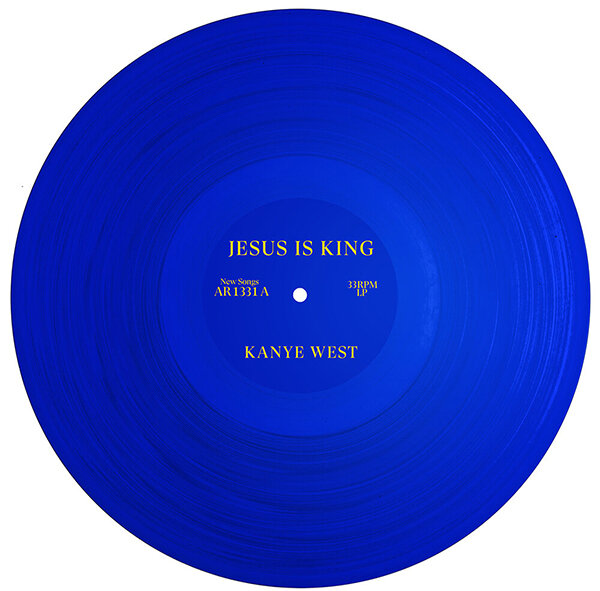
JESUS IS KING: Kanye West

10/29/19

5:05 PM

Yup, It’s finally here— post on Kanye.

So is a new album by Kanye, after putting many of his fans and critics through an arduous hold, Yeezy returns with his self-proclaimed full gospel album, JESUS IS KING.

-

Past all of the publicity stunts, the controversies, and the widespread contempt for Mr. West, it would be shortsighted to discredit the influence he has in the arts; his success in music, fashion, and business are aspects of his career that can’t be ignored, and hence his presence in the music industry is one of the most accredited and authoritative in his field. Taking these factors into his latest work, which received many questions and went through many scopes of inspection and analysis, I’m still a little iffy on how I feel about the album JESUS IS KING. So in order to further score and review this album, I chose to break down Kanye’s new work rooted in his recent transformation as a newborn Christian, in simply accounting for the pros and cons in this gospel driven project.

Starting with the pros, Kanye’s masterful utilization of the human voice is displayed. With the usage of a number of features as well as sampling and production techniques paired with the inclusion of the Sunday Service Choir, Ye fully encompasses his trademark “Soul beat” element into the gospel driven tracks, which is extremely appropriate for the genre. The production in itself holds up to the Kanye West standard— carefully constructed, rich, crisp, and advanced in itself, the layers that make up the background and the foreground both prove to be high quality and fitting to his artistry. The instrumentation on many of the tracks elevate the gospel feel of the work as well, using traditional gospel sounds and meshing them with other contemporary and modern components, creates for a harmonic cacophony between grand, intricate, and futuristic tones with a deconstructed, desert, and bare-bones inflection. The music aside, the auxiliary topic for this album is Kanye’s change of face to his Christian identity; which seems to be truthful and genuine to an ostensible degree— providing a reassurance to his additional controversial nature, but still fairly impressive for a character of his personage to uphold, given his past and image.

The cons, however seem to be correlated with most of the advantages found throughout the album as well. Primarily and the most notable of these is the fact that the project JESUS IS KING feels… a little boring in comparison to his other work. Glimpses of the potential that this album has is anticipated through all the tracks and often fails to deliver— there were many times where I thought to myself that there should have been more energy or pop in a segment, only for it to be continue on a more mellow note or to drop off eventually. The Album does in fact start off with a good amount of momentum, but goes on to recede rather quickly, then picks up just a tiny bit, then eases out again towards the end, never seeing a climax or a focal point in a true sense. Whether the fact that the album seemed to lack the liveliness or the intensity that most of Kanye’s previous work held was an artistic decision or not, I felt that JESUS IS KING was one of his least striking work. Another weak point of the album is the duration of the project, 11 tracks totaling at 27 minutes; in comparison, Ye’s EP/album, ye, which dedicated a large portion of its material on mental illnesses had a total length of approximately 24 minutes with only 7 tracks and was technically not even a full length album. The tedious wait for new releases from Kanye compared to the amount of product that was received feels a little lop-sided. Additionally, one of the confounding factors of JESUS IS KING is the foundation of the album: the faith driven aspect of the work doesn’t have much to back the lyrics and the reason of itself. Kanye, the notorious hedonist singing about Christ and faith is a little questionable to most listeners to say in the least. While his actions and words seems genuine in nature, some lyrics still seem a little shaky— justifying the prices of his brand, quoting biblical verses that doesn’t necessarily point to a meaning of the true gospel or the in direction towards Christ, and some other values of the album seem elementary in some levels. Lastly, one of the most critical weaknesses of this album was the fact that I questioned myself if I would have even listened to this album more than once if it wasn’t made by Kanye West.

-

Overall, JESUS IS KING is the ninth official body of work released by Kanye, and like most of the things that Kanye does and says, requires a good amount of context. After listening to an extensive interview about the album, his conversion, and his visions in and of the future, the album makes a lot more sense than it did without the missing pieces. In conclusion, the newfound gospel album by Kanye provides an interesting listen if nothing else, and is a solid work of music in regards to its technical and prospective angles. It’s difficult to judge if the album is a success, but coming to a decision after listening to the album is a necessity in deciding if the music is good or not. However, in understanding the entirety of Kanye’s attitude and the facets of this project, I would suggest hearing about his motifs and mission on his interview if you want to get a full and inclusive representation of JESUS IS KING.

Watch Kanye West’s Interview with Zane Lowe

KW_JIK_D copy.jpg

Listen to the album below:
JESUS IS KING

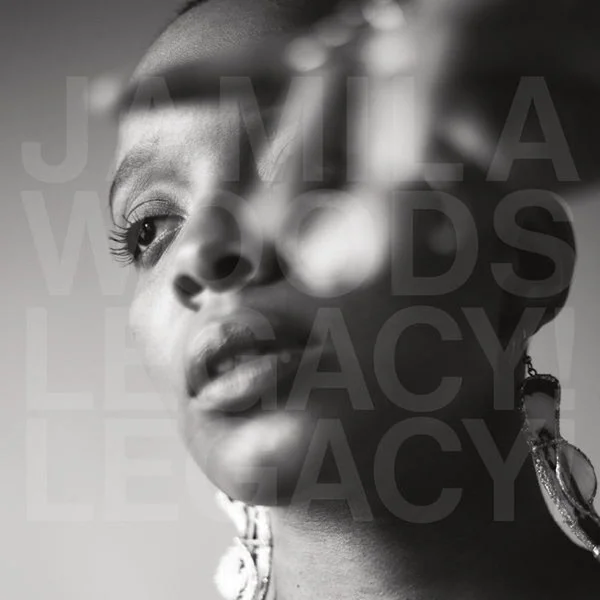
LEGACY! LEGACY! : Jamila Woods

09/2/19

5:25 PM


Chicago’s artists have been on the up and up for the last few years, and much of that can be traced and accredited to a number of hip-hop, jazz, and R&B artists that the Windy City cultivates. A central piece of this musical movement draws from independent artists and their collaborations with one another, mainly revolving around Chance the Rapper and The Social Experiment- a congregate of artists based around Chicago that focuses on music, art, literature and the culture of the city.

-

Jamila Woods is an artist that caters to a large portion of the writing and vocals to The Social Experiment’s projects, and while commercial and mainstream success is not always present for the Chicagoan Singer/Poet/Songwriter, Jamila Woods receives critical acclaim and regard for her works. Released quietly around a month before Chance the Rapper’s much awaited and much publicized The Big Day, Jamila Woods’ cross-genre sophomore album speaks volumes about its author.

LEGACY! LEGACY! phases Jamila through the perspectives of figures that molded her views of cultural enrichment, especially those of colored and minority backgrounds that reveal many walks of life and artforms. With each track in the album titled after an esteemed artist, Jamila channels her influences, inspirations, and correlations of her life— past and present— to paint a portrait with her words. In the way that she feels, sees, and becomes multiple personas that she draws from, the listener/ reader can see the intimacy between the writer’s experiences and images depicted of these individuals that she tributes to. In an interview with Pitchfork (link below), Jamila Woods expounds on the premise of each song and what they have meant to her as a writer and a musician, as well as a minority individual living amongst the majorities that she’d faced.

The album’s tonality seems to have transcended the confines of being a singular genre collection; culminating the individual elements of genres that stem from Black Heritage such as jazz, soul, hip-hop, blues, funk, gospel, and R&B, Jamila then arrives to a mixture of all of the above. Likewise, appropriate to the many artists that the album revolves around, each track is shaped to fit the titled person’s crafts— taking their stories, personalities, quotes, and life stories, LEGACY! LEGACY! seems to tell a narrative of historical figures and connect their legacies into a methodical way of how it played a part in Jamila Woods’ own life and works.

-

Relatively quiet, reserved, and meek, Jamila breaks out of her preconceived self for what seems to be a momentary glimpse of becoming a medium as a storyteller for these notable figures in our artistic world. Her modest attitude shifts to bold, fearless, and keen as she personifies each story. The album empowers not only the history of our past artists, but the present, and in LEGACY! LEGACY!, one hopes that Jamila leaves behind her own piece to contribute to future generations as well.

Read Jamila’s interview with Pitchfork

JamilaWoods_LegacyLegacy.jpg

Listen to the album below:


LEGACY! LEGACY!

Case Study 01: Daniel Caesar

6/28/19

7:18 PM

Daniel Caesar breaks the silence after two years by following up his breakout debut album—Freudian, with his second studio project titled Case Study 01.

The album— so aptly named, shows specific natures of science and how it can affect the human emotion. Tracks such as “ENTROPY” and “SUPERPOSITION” give light on how Caesar’s experiences and feelings correlate with scientific cases.

-

Case Study 01 holds merit in just the talents that are featured. Musical authorities such as Brandy, Pharrell Williams, and John Mayer bring weighted expectations upon the album, as well as credit the artist that Daniel Caesar has become over the recent years.

The development of the Canadian singer’s sound hasn’t necessarily transformed, but rather matured and developed by picking up a few more qualities while retaining its original tonal range and general feel. Caesar takes his simple, romantic, and longing impressions and compliments them with bass-heavy rings, electronic drums, and pitching his vocals in a way that faintly resembles some of Frank Ocean’s work. While implementing new components to his music, all the instrumentation— traditional and nontraditional both— are placed skillfully and executed to create a subtle complexity. In a way that seems benevolent and modest, a beautiful simplicity sums up the atmosphere of the album which has been carefully crafted. Case Study 01 in its essence is pure— the acoustic elements and the studio factors come clean, undiluted, and straightforward.


The content of this album…is a huge contradiction in and of itself. Much of Caesar’s lyrics find regards to his newfound success and fortunes, in which the young musician does not shy away from telling his listeners. Caesar mentions his past persona and minor standings and compares them to his now glorified lifestyle fabricated in sex, drinking, and fame. The pseudo lifestyle that he himself despises is made to look glamorous in his mind and is even pronounced by none other than himself. Where the sweet and serene words used to reside, has been occupied by ideas of carnal desires or empty satisfactions; motivations derivative towards others have transitioned into a self-centered inclination, which portray the change within himself.

Another contradiction commonly seen in Daniel Caesar is that of religious themes— elevating this paradox, the background inspirations of Case Study 01 draws from science, often thought to be antithesis of faith. In an album inspired by distinctive instances of theories and observations, there are just as many, if not more specific biblical references. Caesar plays with the thematic idea of ironies and a heavy portion of his writing pertains to it.

-

However, underneath all this seemingly outward change in his inspirations and character, Daniel Caesar still seems to be focused and chasing after the same end-goal: contentment and fulfillment in love (or whatever else he’s looking for).

The way that Daniel Caesar uses breaks and extended pauses within songs and between, is something that keeps the listener in suspense and supplements that style changes that occur through out the album. Overall, the album is artfully made, with the first half of the work centering around his metamorphosis to extravagance, the latter half being more profound and resolute. What started as a really nice album culminated into an incredible musical experience. I would emphatically recommend dedicating 43 minutes to listen to Case Study 01 in its entirety for the optimal listening.

daniel-caesar-case-study-01 (1).png

Listen to the album below:
Case Study 01

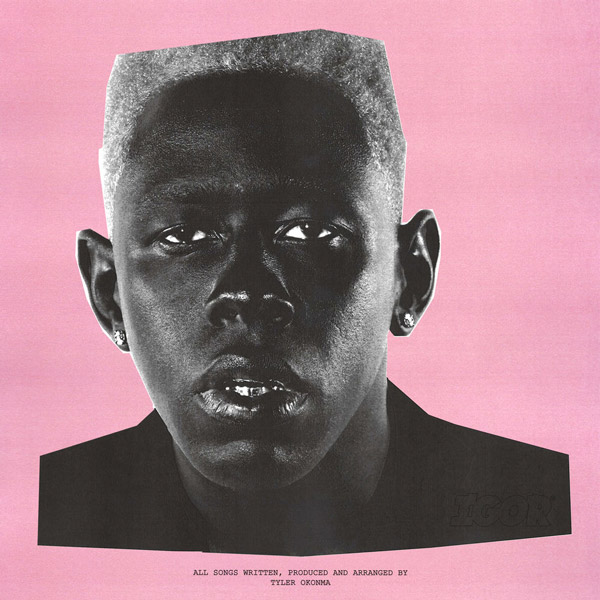
IGOR: Tyler, the Creator

5/18/19

11:37 PM


"IGOR. THIS IS NOT BASTARD. THIS IS NOT GOBLIN. THIS IS NOT WOLF. THIS IS NOT CHERRY BOMB. THIS IS NOT FLOWER BOY. THIS IS IGOR." 


Yeah, okay, Tyler.


Tyler, the Creator gives us an introspect to yet another one of his personalities— this time, specifically, IGOR.

As the LA producer-rapper continues to make music, it’s been a journey that encompasses weird, euphoric, and upsetting moments. From Tyler’s straight-forward “I don’t care what you think” attitude, to the soft spoken and candid moments in his musical career, the young artist has grown up a good amount in his own right.


Turning from the volatile and vain outlook of his music into more tame and enamoring content, Tyler’s IGOR was something that he himself wanted the listener to become intimate with, in hopes that they listen in its entirety with undivided attention, forming their own interpretation of the album. However, the overarching theme and sequence of this album is an episode of falling in love, engaging into a relationship, falling out of love, and then trying to maintain a level of friendship after the fact. The narration by comedian Jerrod Carmichael in between songs add a nice subtlety, helping listeners get a more in-depth idea of what Tyler is trying to convey through the process.

-

Musically, this album is a mess. The album isn’t really rap, or soul, or limited to one genre, but rather an experimental album with plenty of samples from various fields with many features from artists like Kanye, CeeLo, and A$AP Rocky. The main source the sound makeup is composed of the heavy usage of synths, and waves, as well as using loops that give off a hypnotic and grungy feel to the music; topped off with an array of pitch tuned vocals, this album becomes equipped with a new wave vibe to it. The synths and waves themselves help create a love filled atmosphere on some tracks, mixed with the rough, hard, and noisey qualities of the album give IGOR a unique design, giving the work itself a fulfilling re-listen value.

I would probably have to say the most impressive part about this album and and Tyler’s production end is that while the album does include a lot of irregular and dense elements, the transition to the more soulful and charming sounds are not at all sudden, or questionable. The production of IGOR doesn’t seem choppy or out of place, but rather in its full blown chaos, seems perfectly attuned and planned out. The cohesion of the two stark types of beats are marked by their interesting rhythms and modes, and creates for a very direct, yet delicate unison between dark and whimsically pleasant.


Listen to the Album below:

IGOR

Artists I can't get enough of: February 2019

2/28/19

3:44 PM

While I try my best to listen to a wide variety of new music across various genres, there are definitely songs and artists that I find myself favoring more often. And within those favorites, lies a handful of artists that have found a place in my heart with only a few projects out. I’m patiently waiting on releases from them and here’s a short list of artists that I’ve been hoping to see some more songs from soon. …Real soon.

Sunday Moon

The first thing that comes to my head when I think about this topic— Sunday Moon. One of my current absolute favorites with only five songs, which is pretty crazy because in the past year that I’ve been following them, they’ve released three out of those five songs. With that said, it’s a super nice feeling when they do release a single because it adds to the mystery and the completion of their sound profile. Comprised of two or three persons, singer Sarah Lee and the group brings a nice air of a peaceful, yet melancholy mood, and paired with Sarah’s enticing voice, it’s really nice, check them out, forreal.

Listen to Sunday Moon

Chance The Rapper

Chancellor Bennet, better known as Chance (the Rapper,) has been relatively quiet since his 2016 Grammy award winning album Coloring Book. Other than a handful of features and a couple of glimpses into what possibly seem like singles to his upcoming album Good Ass Job— which has yet to be confirmed— Mr. Bennet has stayed low-key in the music scene. The reason being that the young Chicago independent rapper has claimed to take a break from music and society to read his Bible, and as controversial as the topic is, it’s definitely admirable of him to do so, making sure he still has his personal values and priorities concrete.

Go Chance.

Listen to Chance the Rapper

Samm Henshaw

Has a sound quite similar to Chance who was listed above, but with more choral and singing elements involved. Spanning his discography for a little over two years, the young Londoner still manages to impress with fun and outgoing music that seems cleverly cheerful. Samm has also been working with a range of interesting artists such as EARTHGANG and a few DJ’s and such. Some of them seem like unlikely features, but surprisingly, Samm blends with them effectively; showing that his music is capable of adapting and evolving. His music is really feel-good, and fits well for a late afternoon cruise on the road.

Listen to Samm Henshaw

Bruno Major

I feel like British artists are blowing up in the music scene recently, and I can always back that statement up with artists like Bruno Major, Tom Misch, Lianne La Havas, and a myriad of others.

Acoustic R&B singer-songwriter Bruno Major has begun to release music again after his acclaimed album, A Song For Every Moon. Additionally, while working on a possible new project, Bruno has also announced his North American tour, (which he weaved Texas altogether) and although not much is confirmed on upcoming releases, its definitely something to hope for. Come to Dallas plz bruno.

Listen to Bruno Major

Daniel Caesar

Pretty self explanatory, I’m dying to see what Daniel Caesar’s music will be like after being influenced by his rising popularity and successes. No news of upcoming content or activities, Caesar plays the silence in staying relatively stealthy in his agendas. Nevertheless, I’m excited to see what Daniel Caesar has in store following his brilliant breakout album Freudian.

Listen to Daniel Caesar

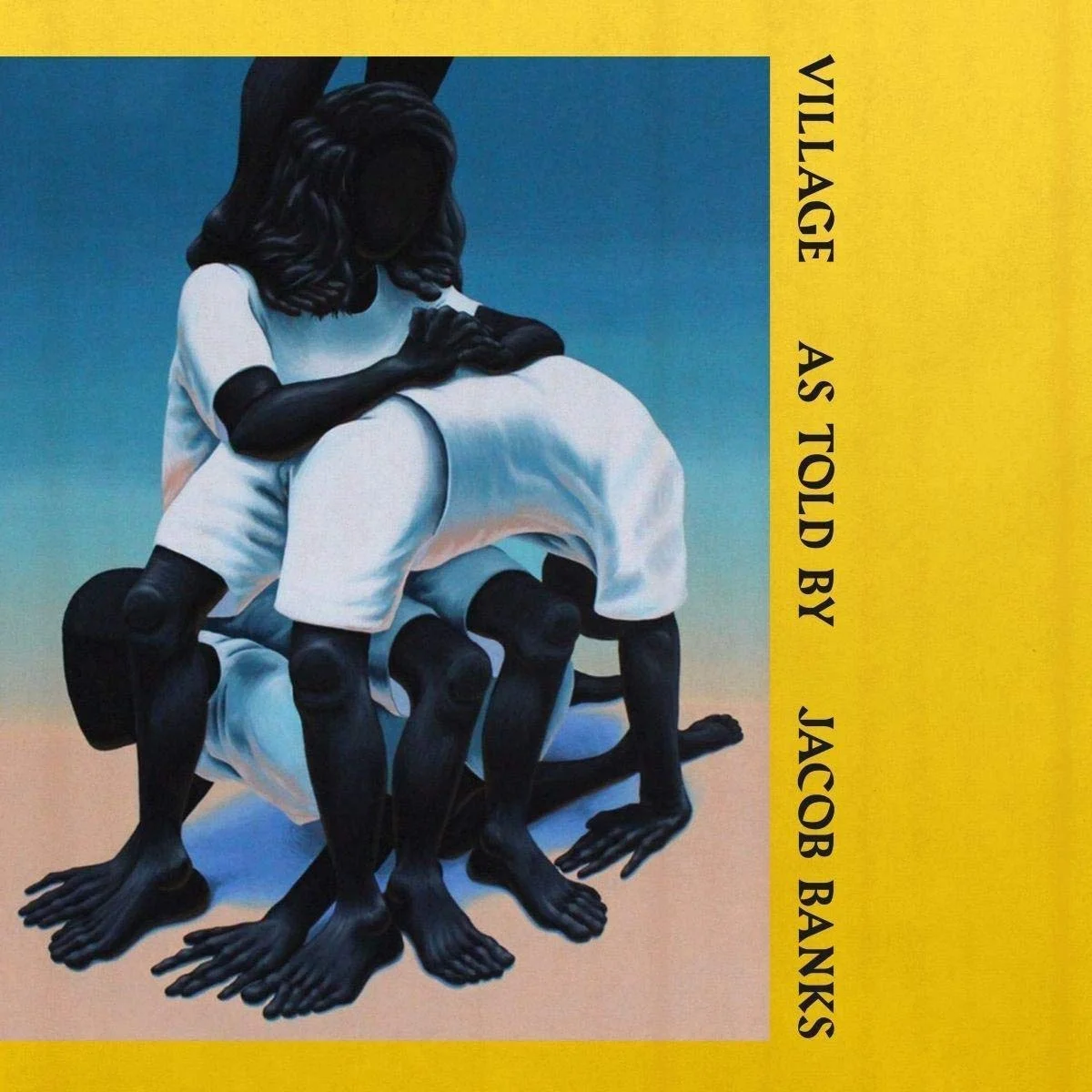
Village: Jacob Banks

2/21/19

6:06 PM

I actually only found Jacob Banks because I won some free concert tickets, a day before the concert, so I had to rush listen to his material, but I’m really glad I did.

It’s cool to see how music makes a way into my life without me even realizing.

-

At first listen, Jacob’s voice was reminiscent of a more raw and rougher tone of John Legend’s voice and musical style. The gospel and R&B genre that utilizes electronic components seem familiar, but in a way that isn’t overdone or excessive; the repetitive nature of his music would seem tiring or too duplicated, but instead has a way of being easy to take in and delivers the intent of his writing to the listener thoroughly.

Sincere and reflective— Jacob Bank’s Village seems to take from the many experiences of the multi-ethnical (Jacob was born in Nigeria, but grew up in Britain) 27-year-old singer’s life and condenses them into an album which paces the listener through recollections, hopes, and heartbreaks. Recently, I’ve begun to appreciate simplicity within lyrics a great deal and hence I feel like that’s a large factor of why I’m drawn to Jacob’s music— it’s simple yet, contains an intricate thought that’s expressed in a unique sense every so often that makes you lost in wonder to keep you listening.My personal favorite is “Peace of Mind,” that ends with a snippet of bonus track: “Pilot,” both of which seem minimalistic, quiet and straightforward, directly driving the emotions.

He’s pretty good live too, catch his concerts if you get the chance.

71LLB1nNWNL._SL1200_.jpg

Listen to the album below:
Village

BALLADS 1: Joji

11/16/18

11:55 PM

Surprising, in the most pleasant way.

One of 88rising’s preeminent artists, George Miller, otherwise known as Filthy Frank, Pink Guy, and Joji, released BALLADS 1 on October 26th, 2018. In his past works as youtube troll and viral personality as Filthy Frank to a bizarre comic rapper Pink Guy, Miller often plays with social mediums and musical platforms to gain viral status on the internet. Going off of his preexisting persona as an entertainer, the artist Joji becomes a stark contrast to his past selves, dropping the facetious acts to portray a more serious and seemingly sober character.

It’s like that one friend that nobody takes serious until they get genuine, then everybody just goes, “whaaaaaaaaaaaaa…?

BALLADS 1 is a play off of ballads (wow who would’ve guessed?), adding his own personality into a established genre of music to form a new sound. Joji’s latest album can be seen as '“sadboi” music, but really becomes a personal memorandum of heartache and lovesickness, as well as loneliness and realizations of disconnect. The gritty, yet simplistic production and the raw emotion emanating from his voice adds an eerie austerity to what seems to be a personal remembrance to past relationships and his newfound lifestyles.

The split-screen outlook evident in his character throughout his album and also in his career is put on display for anyone to understand as they dig into the lyrics, “Give me reasons we should be complete/ You should be with him, I can’t compete” in “SLOW DANCING IN THE DARK” shows just a glimpse of his struggles with being lonely, as he compares his torn state as a metaphor of slow dancing in the dark (wow who would’ve thought?).

The element of duality is so apparent in this album, from being in love to longing, friendships turning into fake friends, the way that Joji bounces from one to the other is admittedly depressing, yet amusing and delicate. The forlorn content is only reinforced by the production— the deep and ringing bass, the calming wave-like synths, and piano instrumentation that has proved to be traditional to the ballad genre. Between production and writing, BALLADS 1 becomes a pensive piece of work to the artist Joji.

This album seems to be a highlight for Joji’s career as he creates a musical remnant from his head and heart, because (filthy)frankly, beneath every obnoxious and self-pleasing troll, there lies a sadboi that just wants to be genuine to themselves— just waiting for the platform and the right heartbreak to rely on.

BALLADS 1 Album Cover

Listen to the album below:
BALLADS 1